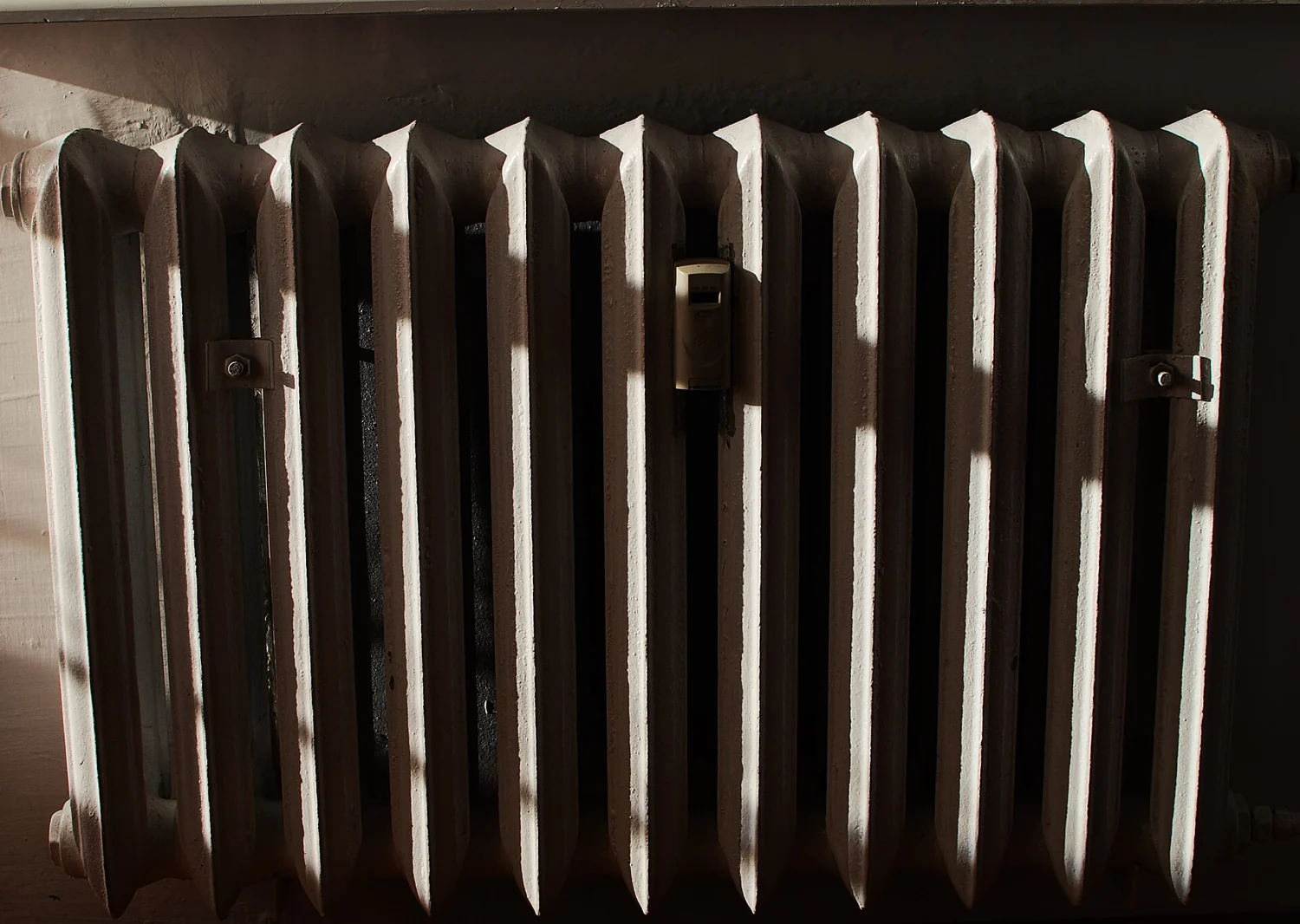
If your heating fails on a cold evening, the first useful steps are simple: put on suitable layers, find the bedding and close curtains. They buy you some comfort while you work out the cause and how long it might take to fix.
Check your heating now. Many gas and oil systems still need electricity for controls and pumps. A full fuel tank or working gas supply does not necessarily mean the radiators will heat during a power cut.
Know the temperature in the room
A room thermometer is more useful than guessing from the outdoor forecast. UK Health Security Agency guidance advises trying to heat rooms used regularly to at least 18°C. Individual needs vary, and some people need warmer conditions.
Older people, young children, people with limited mobility and people with some health conditions can be more vulnerable to cold. Arrange help early for someone who cannot keep warm, rather than waiting to see whether extra blankets will be enough indefinitely.
Keep warmth accessible
Store warm layers, socks and bedding somewhere the people who need them can reach. A blanket in the loft is not much help to someone who cannot manage the stairs or lift a box.
During a short heating interruption, use an appropriate room together where practical. Close unused-room doors and curtains to reduce heat loss. Keep escape routes clear, including the route out of the bedroom at night.
Deal with ordinary draughts, but do not block permanent ventilation, airbricks, flues or air supplies required by an appliance. Ventilation has a safety function; it is not simply a gap to fill.
Avoid improvised room heating
Do not use a cooker, camping stove or barbecue to heat a room. Outdoor combustion equipment can create dangerous carbon monoxide indoors. A carbon monoxide alarm does not turn an unsafe appliance arrangement into a safe one.
Use any portable heater according to its instructions, with the required clearances and electrical arrangements. Keep clothing and bedding off it. If you are considering a new heater, check where it can stand safely before buying.
Maintain fuel-burning appliances and appropriate alarms as instructed. If you suspect carbon monoxide exposure, get outside and seek urgent medical advice; immediate danger or severe symptoms require 999. Do not return to the affected building until advised it is safe.
Have the repair number and an alternative place ready
Write down the heating engineer, landlord or managing agent’s emergency repair contact. Record any relevant cover details. You should not have to recover an online password while a family member is getting cold.
Ask a relative or friend whether you could stay temporarily if needed. Check that the offer works for pets, access needs and the people involved. Arrange a second possibility if they could be affected by the same local outage.
Decide early when staying put is no longer sensible: someone cannot remain warm, essential equipment is unavailable or the repair will take longer than you can manage. Follow weather and emergency instructions before travelling.
Before winter, test the heating, inspect accessible alarms as instructed and check where the warm supplies are. Fixing an ordinary fault in advance is usually more convenient than discovering it during a cold spell.
Sources
Met Office: keeping your home warm
NHS: carbon monoxide poisoning
UK Power Networks: heating and other electricity-dependent equipment