A get-home bag is easiest to justify when it solves ordinary travel problems. The last train is cancelled, a lift falls through or you have to wait outside in the rain. A charged phone, suitable footwear and a waterproof layer can be more useful than specialist equipment chosen for a different sort of trip.
Start with the journey you actually make and the options available if it fails. The bag should support those options, not become a reason to attempt an unsafe route home.
Carry the things that would make a delay manageable
For a routine commute, useful contents can include a working charging cable and power bank, a waterproof layer, a small torch, drinking water, suitable food and essential personal supplies.
If work footwear is uncomfortable to walk in, consider where you can keep an appropriate spare pair. Choose clothing for the actual season and route. Carrying it is only worthwhile if you are willing to use it and it fits.
Keep medicines and any temperature-sensitive items according to individual advice. Do not turn a commuting bag into permanent medicine storage without checking the relevant conditions.
Make another route available offline
Know an alternative transport option and what it would cost or require. It might be a different bus route, another station, an agreed lift or somewhere suitable to wait overnight.
Save the useful details in a form you can access without data. Download maps before travelling and keep key phone numbers outside the contacts app. Check the transport operator’s live information when available; a remembered timetable may not apply during disruption.
If you rely on a lift, speak to the person beforehand about what they can realistically offer. Have a second option if the disruption affects them too.
Keep the bag easy to carry
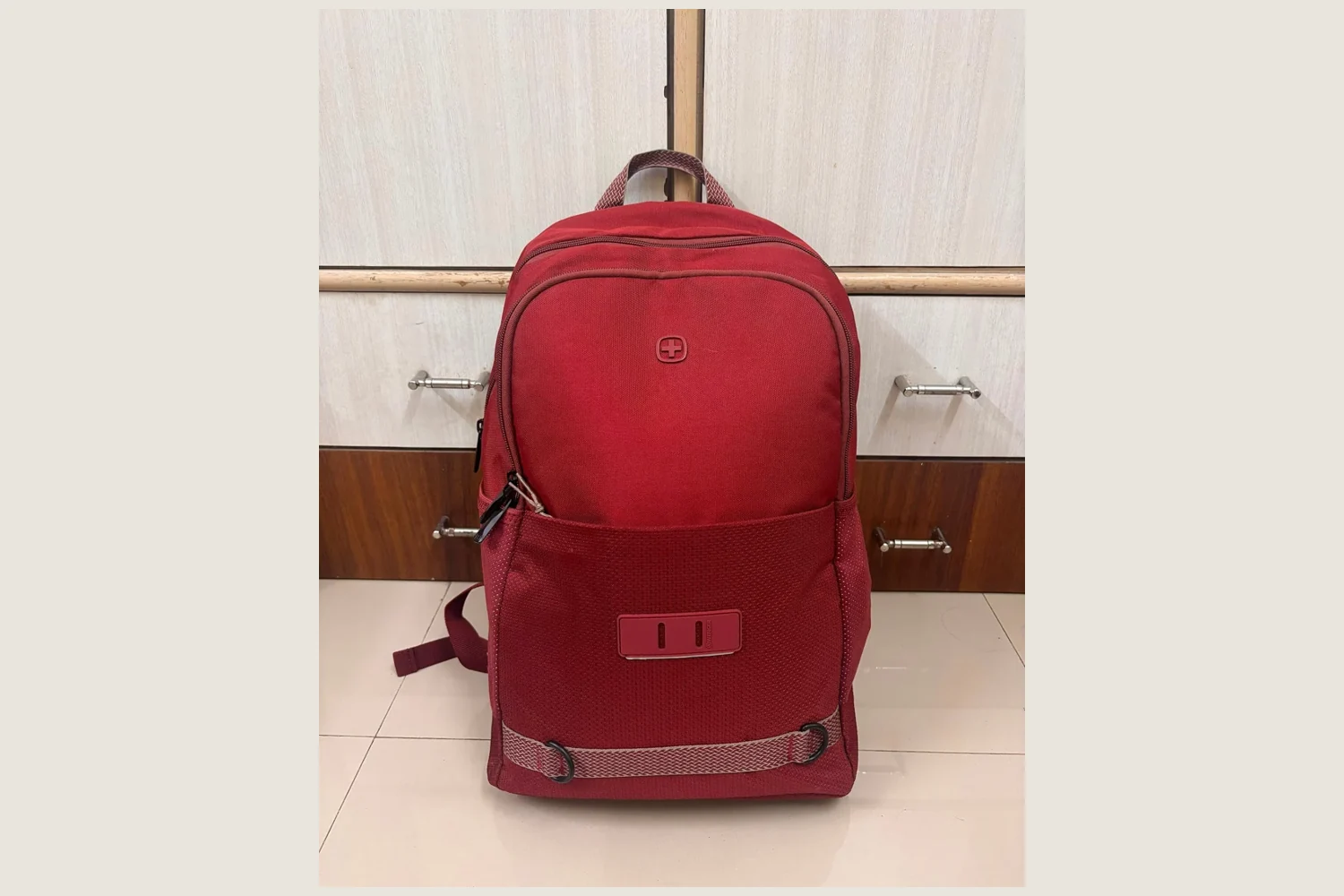
Use a bag that leaves your hands reasonably free and does not become uncomfortable on the journey. Pack the rain layer, torch and charging equipment where you can reach them without emptying everything onto a wet pavement.
Try carrying the packed bag on a normal day. Remove things that have no clear job, and improve the arrangement of items you use. A commuting kit should be practical enough to remain with you rather than being left behind because it is too heavy.
Decide whether walking is appropriate
Distance on a map does not show whether a route has footways, lighting, safe crossings or flood hazards. Plan an appropriate pedestrian route if walking could be a realistic option, and do not assume a road route is suitable on foot.
Never use the bag as a reason to walk along a motorway or through floodwater. Follow closures, weather warnings and emergency instructions. Sometimes waiting at a safe staffed location or arranging accommodation is a better decision than continuing towards home.
Keep consumables in ordinary use
Use and replace the water, food and personal supplies before they become forgotten contents. Check the power bank and torch, particularly after you use them for everyday tasks.
Before the next commute, ask what one missing item would make a disruption significantly harder. Start there, then keep the rest of the bag focused on your actual journey.
Sources
Government Prepare: transport disruption
Government Prepare: offline maps and communication plans