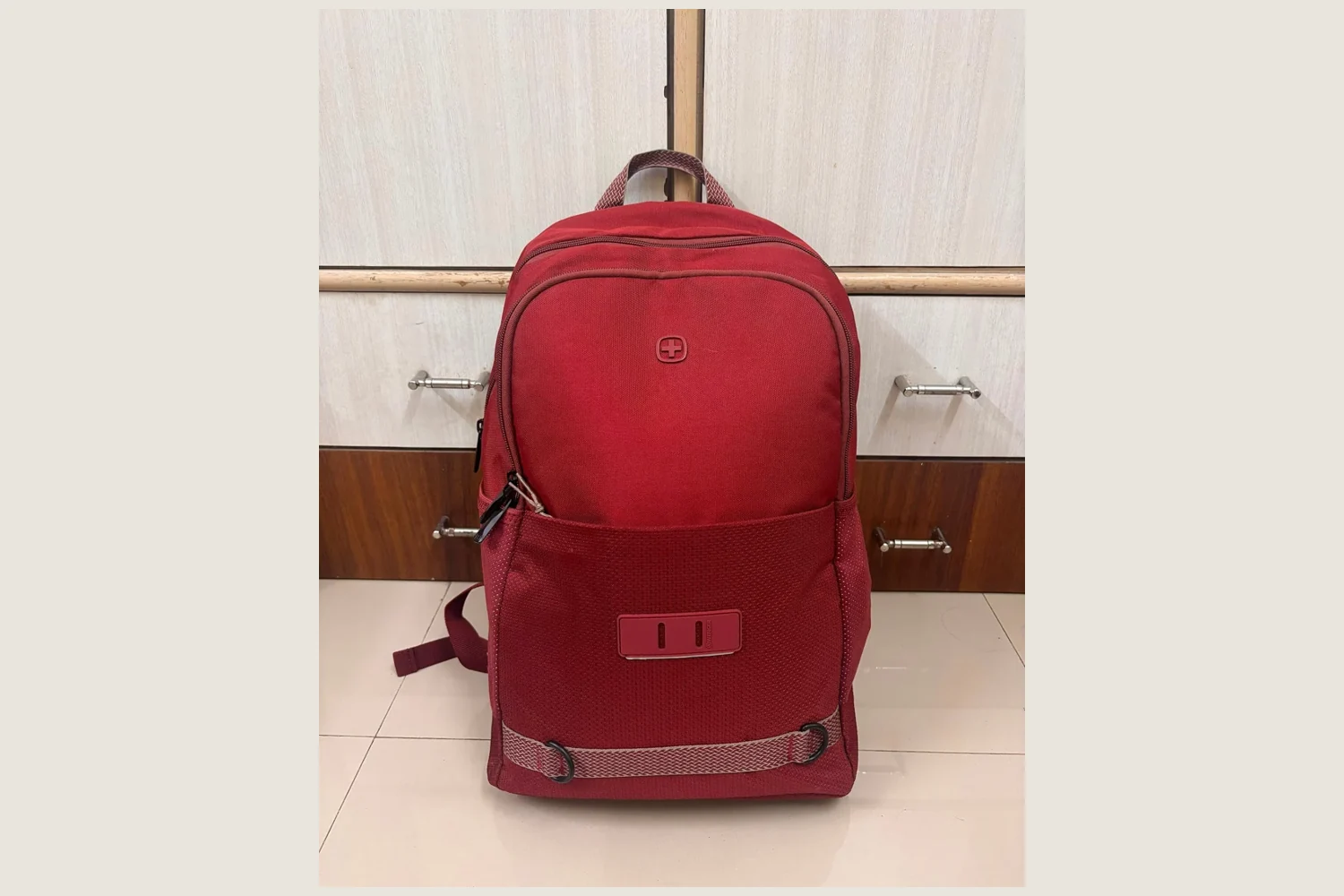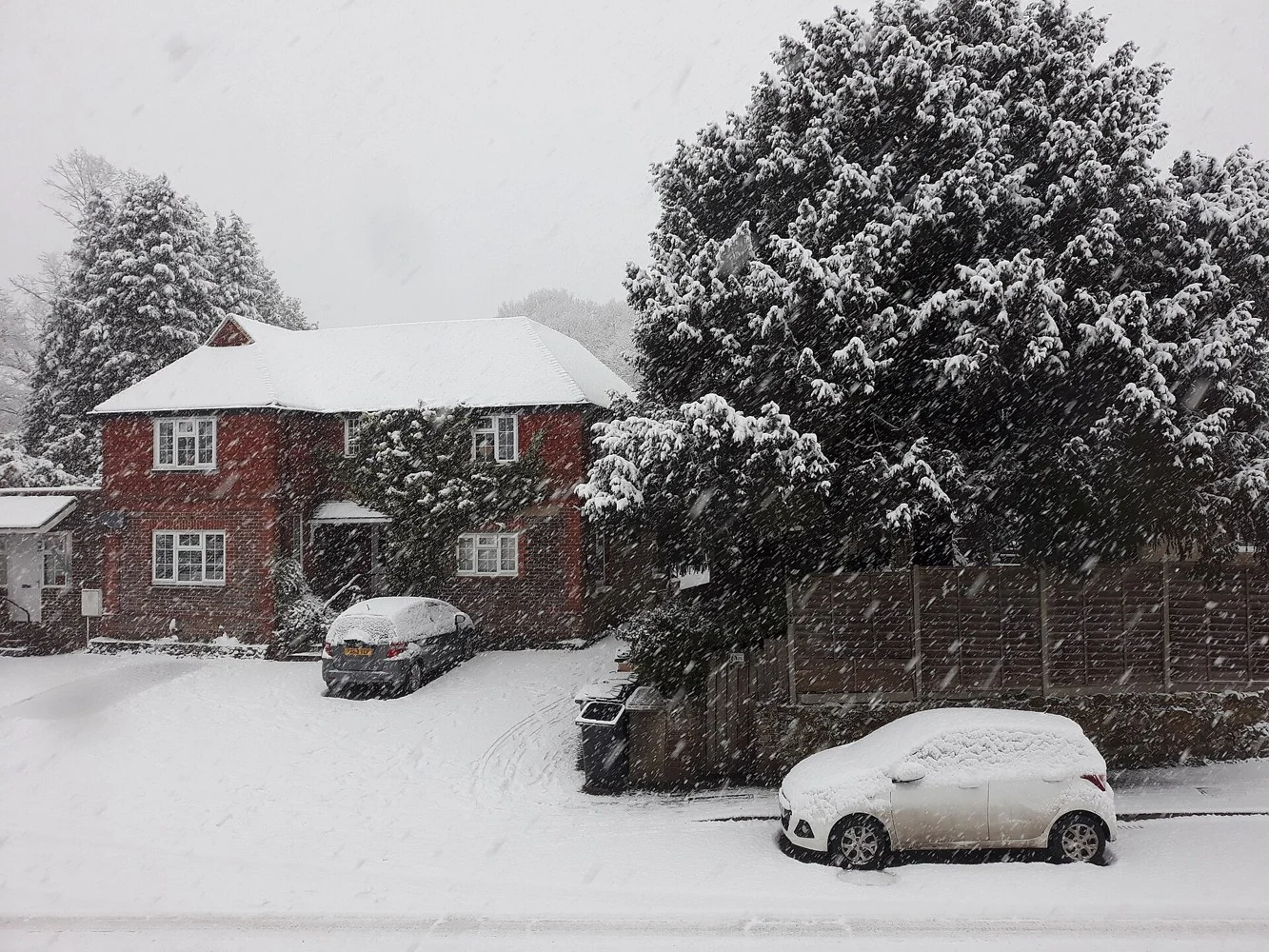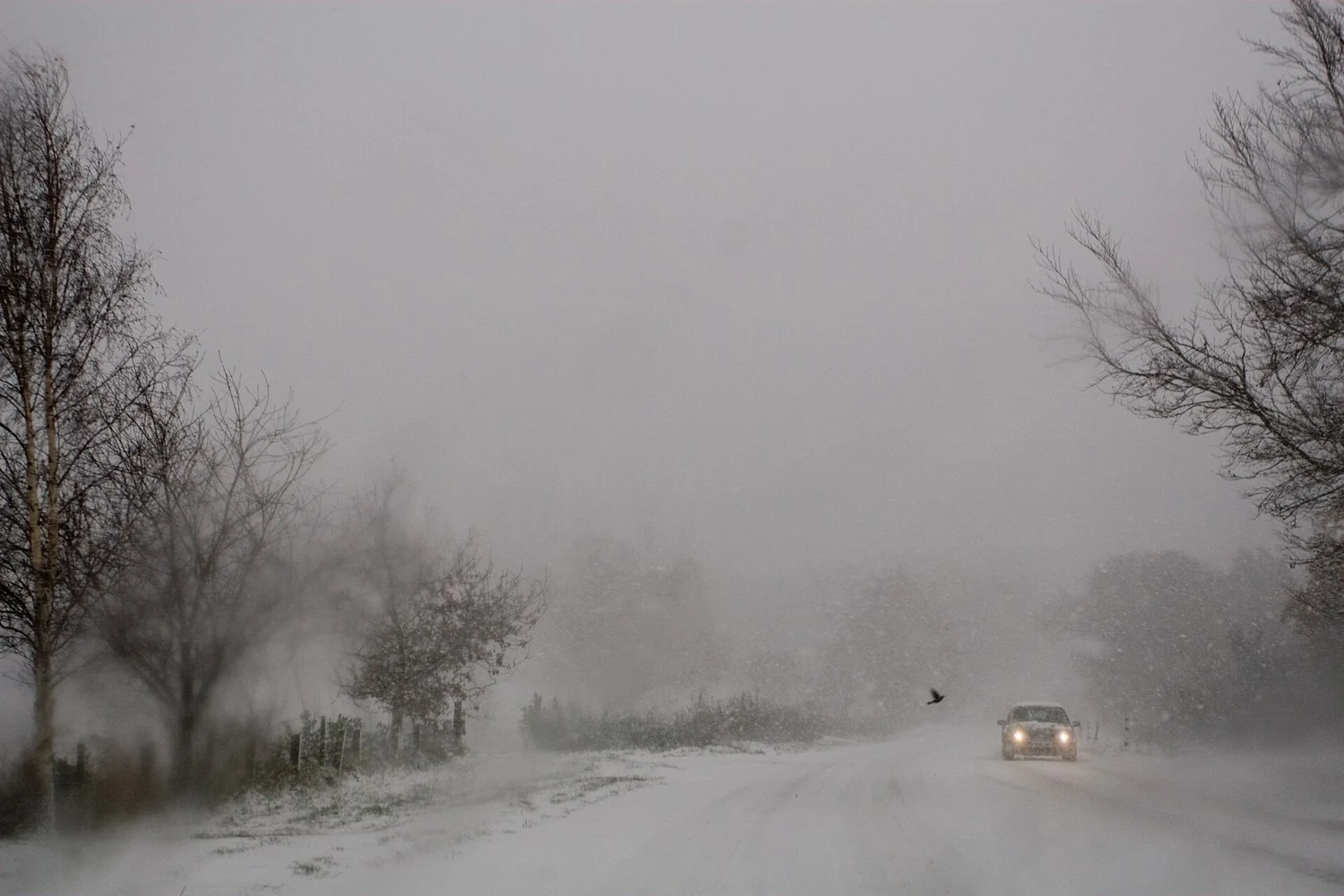
A blanket in the boot is useful during a winter delay, but it does not make a car with worn tyres or poor visibility ready for the journey. Start with the vehicle checks, then pack for the people who might have to wait for help.
Check the forecast and official travel information before leaving. If advice is to avoid a journey, extra equipment does not remove the reason for that advice.
Check visibility and basic vehicle condition
Follow the handbook for tyres, fluids and routine checks. Make sure lights and wipers work and that the screenwash is appropriate for the expected conditions. Address battery or starting problems before a cold-weather trip.
Keep an ice scraper and suitable de-icer available. Allow time to clear the vehicle properly before driving; do not start with only a small patch of windscreen visible. Use products and methods appropriate for the vehicle.
If you are unfamiliar with the car’s tyre-repair equipment or spare wheel arrangements, learn what is supplied while you are safely at home. Do not assume every car has the same equipment or can be jump-started in the same way.
Pack for a cold, wet wait
The Met Office’s winter-kit advice includes warm clothing, a blanket, suitable footwear, a torch and spare batteries, high-visibility clothing, phone charging equipment and food and drink.
Choose enough for the actual passengers. Dry gloves or socks may be useful if you could be outside in wet conditions. Keep items secured and inspect anything stored in the car for damage or unsuitable storage conditions.
For a remote or snow-prone route, a suitable shovel or other route-specific equipment may be useful. Know how and where it can be used safely. Equipment chosen for occasional deep snow should not crowd out the ordinary items needed on every journey.
Keep urgent items away from the bottom of the boot
Put high-visibility clothing, the torch and important contacts somewhere reachable before you leave the vehicle. Do not block airbags, pedals, controls or visibility with the storage arrangement.
Keep a charged phone and the correct cable ready. Carry a separate power bank if useful, because an in-car charger may be unavailable once you have left the vehicle. Keep the breakdown number and cover details on paper as well.
Keep motorway rules separate from a general kit list
A warning triangle can appear on generic driving lists, but the Highway Code says never to use one on a motorway. Do not leave the vehicle to attempt repairs there.
If you cannot reach relative safety or cannot safely get out, remain belted in with hazards on and call 999 for the police. Read the full breakdown guidance for Great Britain or Northern Ireland, as appropriate, before travelling, including how to wait safely when you can exit.
Read the everyday car kit and breakdown guide
Review before the trip, not after the first delay
Check clothing sizes, battery charge, water and food packaging, route information and the vehicle’s usable range. For an electric vehicle, check charging stops and an alternative rather than planning to arrive with no margin.
Tell someone if you change the route or decide to stop overnight. A warm, safe stopping place and a revised plan can be more useful than pushing on towards the original arrival time.
Sources
Met Office: prepare a winter car kit
Met Office: checks before a long journey