An electric hob, oven or air fryer cannot make dinner when the electricity is off. That does not mean the next purchase needs to be a camping stove. First, choose a meal you can eat without cooking. It gives you an immediate option, including when the weather makes outdoor cooking impractical.
The right backup depends on your home. A ground-floor house with suitable outdoor space has options that a flat without it does not.
Make the no-cook option a proper meal
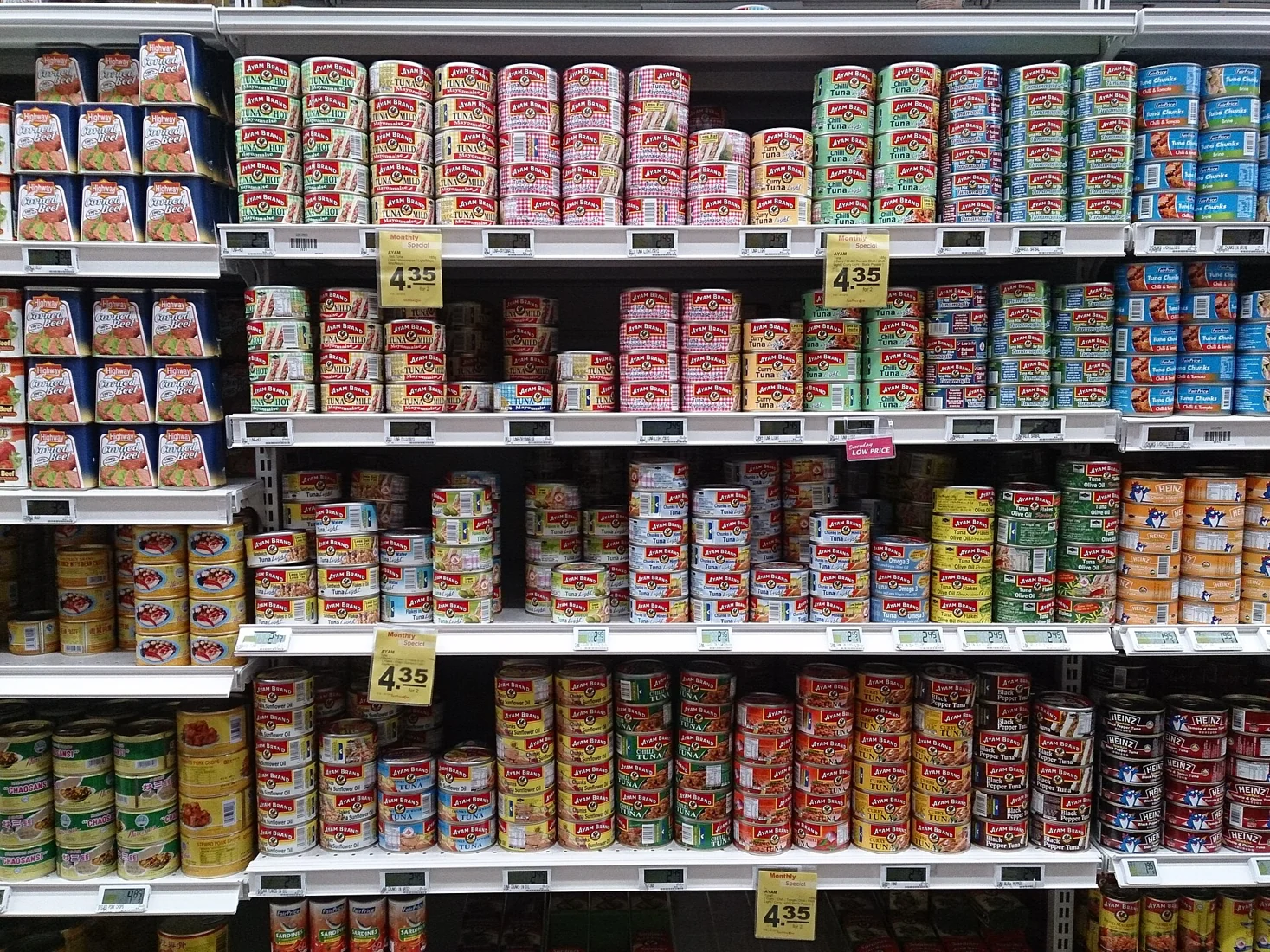
Pick products explicitly suitable for eating without further cooking. Combine foods into a meal rather than assuming everyone will be happy with a snack. Keep the correct opener and utensils with them.
Pack size matters. If the fridge is unavailable, it is easier to finish one suitable small tin than to find safe storage for most of a large one. Account for allergies and any diet someone must follow.
A no-cook meal also avoids using water and fuel on preparation. Save that approach for the occasions you need it, and test the menu once so you know it is acceptable.
Check your existing cooker’s instructions
Some gas cooking appliances may work during an electricity outage; others depend on electrical components. Find out about your exact appliance before there is a problem. Do not force a valve or improvise a way to light a cooker against its instructions.
Turn cooking appliances off safely when interrupted, and check them again when the power returns. An oven or hob left switched on can restart while you are elsewhere.
Keep outdoor equipment outdoors
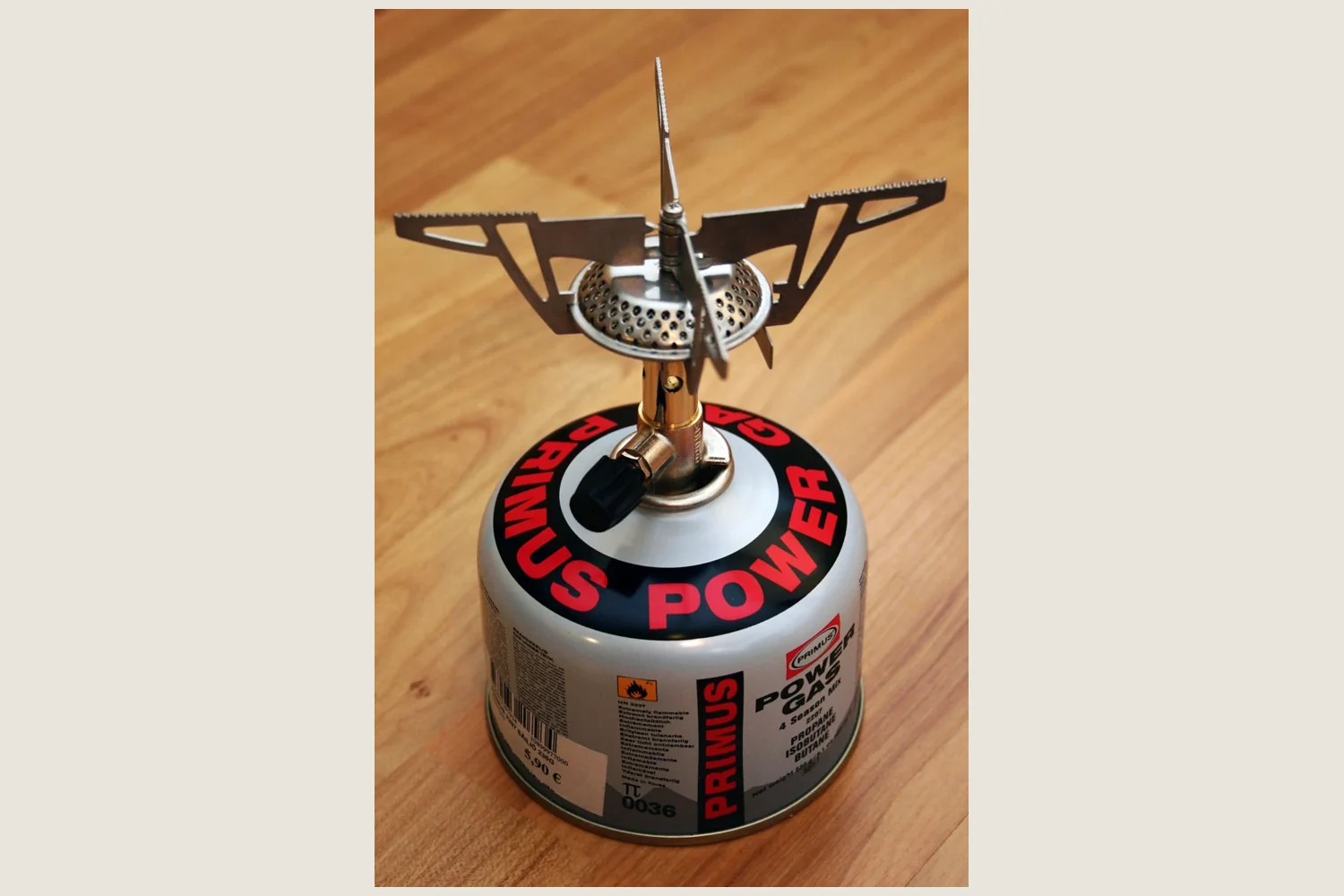
London Fire Brigade explicitly warns against using camping stoves and barbecues indoors because of fire and carbon monoxide risks. Opening a window does not make outdoor cooking equipment suitable for a kitchen, bedroom, tent or other enclosed space.
Do not treat a balcony as an automatic safe alternative. Follow the appliance instructions, building rules and local fire-service advice. If you cannot identify a genuinely suitable location, use the no-cook option.
For equipment you can use safely, read the instructions before an outage. Check the correct fuel, approved connections, required clearances and how to switch it off. Store fuel as instructed and keep children and pets away from the cooking area.
Choose food to suit the cooking method
A meal requiring prolonged boiling needs more fuel and attention than one that can be prepared quickly. Try the intended meal with the actual equipment in safe conditions before relying on it.
Do not assume a pan is suitable because it fits approximately on the burner. Use compatible cookware and a stable arrangement specified by the manufacturer. Avoid recipes that encourage you to leave a stove unattended.
Keep food handling straightforward: use safe water, wash hands appropriately and separate raw food from food ready to eat. A power cut is a good reason to simplify the menu, not to relax food-safety standards.
Put one no-cook meal on the shelf first. Add a cooking option only once you know where it can be used safely, which fuel it needs and how you will prepare the food.