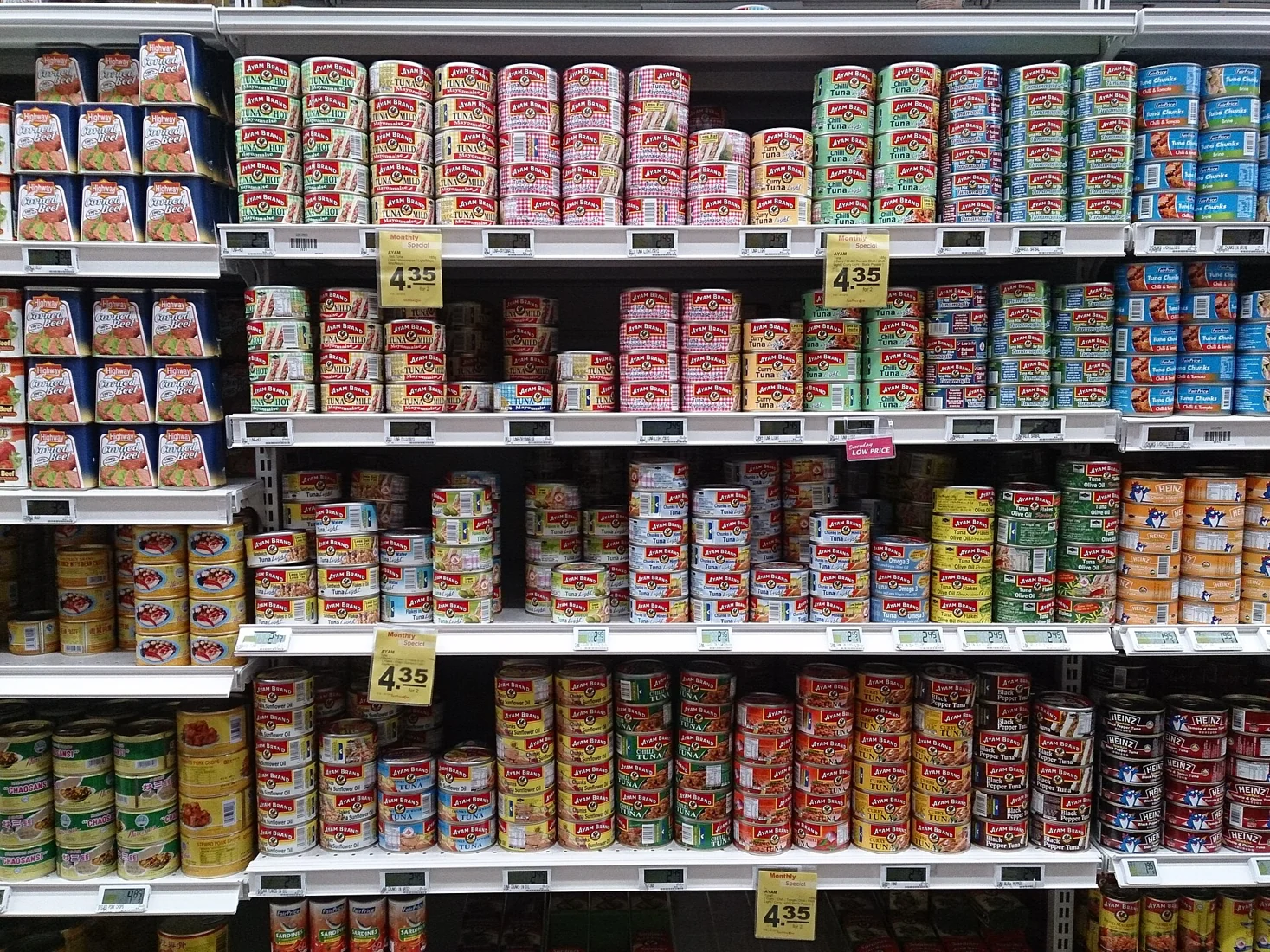
A shelf full of tins is not necessarily a shelf full of meals. Six tins of tomatoes and a bag of dried pasta still need other ingredients, water and a working way to cook. Start with a short menu, then buy what is needed to make it.
Choose food your household already eats. It is easier to use and replace, and there is less chance of discovering during a disruption that the children dislike it or that it conflicts with someone’s dietary requirements.
Plan a day without the cooker
Write down a breakfast, lunch and evening meal that you could serve without mains electricity. Read the labels: some foods are ready to eat, while others must be cooked even if their packaging looks similar.
A suitable breakfast might use cereal and an unopened, appropriately stored carton of long-life milk. Lunch could use crackers, a ready-to-eat tinned filling and fruit. The specific products must suit your household, and any opening or refrigeration instructions still apply.
These are examples to help assemble a menu, not a complete long-term diet. Include enough food for the actual number of people and keep drinking water separately in the plan.
Include the ordinary cooking cupboard
For disruptions that stop shopping but leave the kitchen working, the food you normally cook can provide the reserve. Make a list of familiar meals, identify the shelf-stable ingredients and gradually keep a little more of the ones you use regularly.
Do not put all the reserve into one type of food. Think about what makes a meal filling, what people will willingly eat and what ingredients require a fridge after opening. Include pet food and specialist household supplies where needed.
Match pack size to the meal
A large catering tin may have a low price per portion, but it is inconvenient when two people cannot finish it and the fridge is off. Buy sizes you can reasonably use at once for your no-cook menu.
Keep a manual opener with the food. Check whether a ring pull is usable by everyone who might need it. Include the utensils and plates needed for the meal, especially if someone has difficulty opening packaging or handling cutlery.
Rotate it through normal shopping
Use the oldest suitable stock first and replace what you take. Put the next items to use at the front and new purchases behind them. This keeps the emergency shelf connected to the meals you already make.
Check storage and opening instructions as well. A cupboard product may need refrigeration once opened. The separate rotation guide explains how use-by and best-before dates affect the food you keep.
Cook one meal from the reserve
Before buying more, try one of the planned meals without adding fresh shopping. You will quickly find out if the opener is missing, the portion is too small or the meal needs an ingredient you forgot.
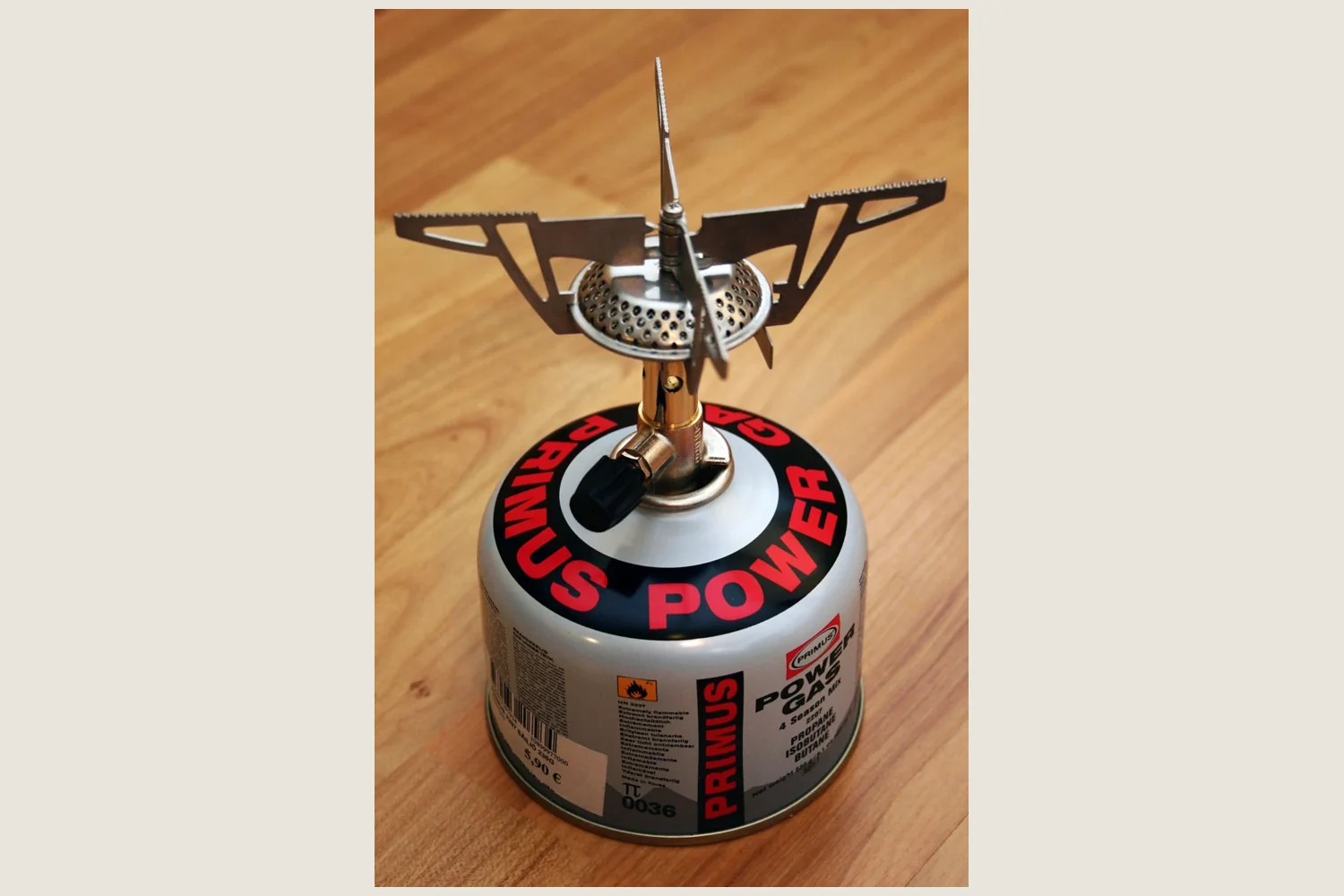
If your alternative cooking plan involves a camping stove or barbecue, it needs an appropriate outdoor location and use according to the instructions. Never use outdoor cooking equipment indoors. A no-cook meal is an important option for a flat or a home without suitable outdoor space.
Adjust the list after the trial, then build the reserve at a pace you can afford. You will end up with food that earns its cupboard space and meals you know how to serve.
Sources
GOV.UK: understanding food dates