A large water container looks efficient until you try to pour a glass from it. Size, handles, the opening and the place it will sit all matter. Choose for the person who will use it, including anyone who may be alone when the water goes off.
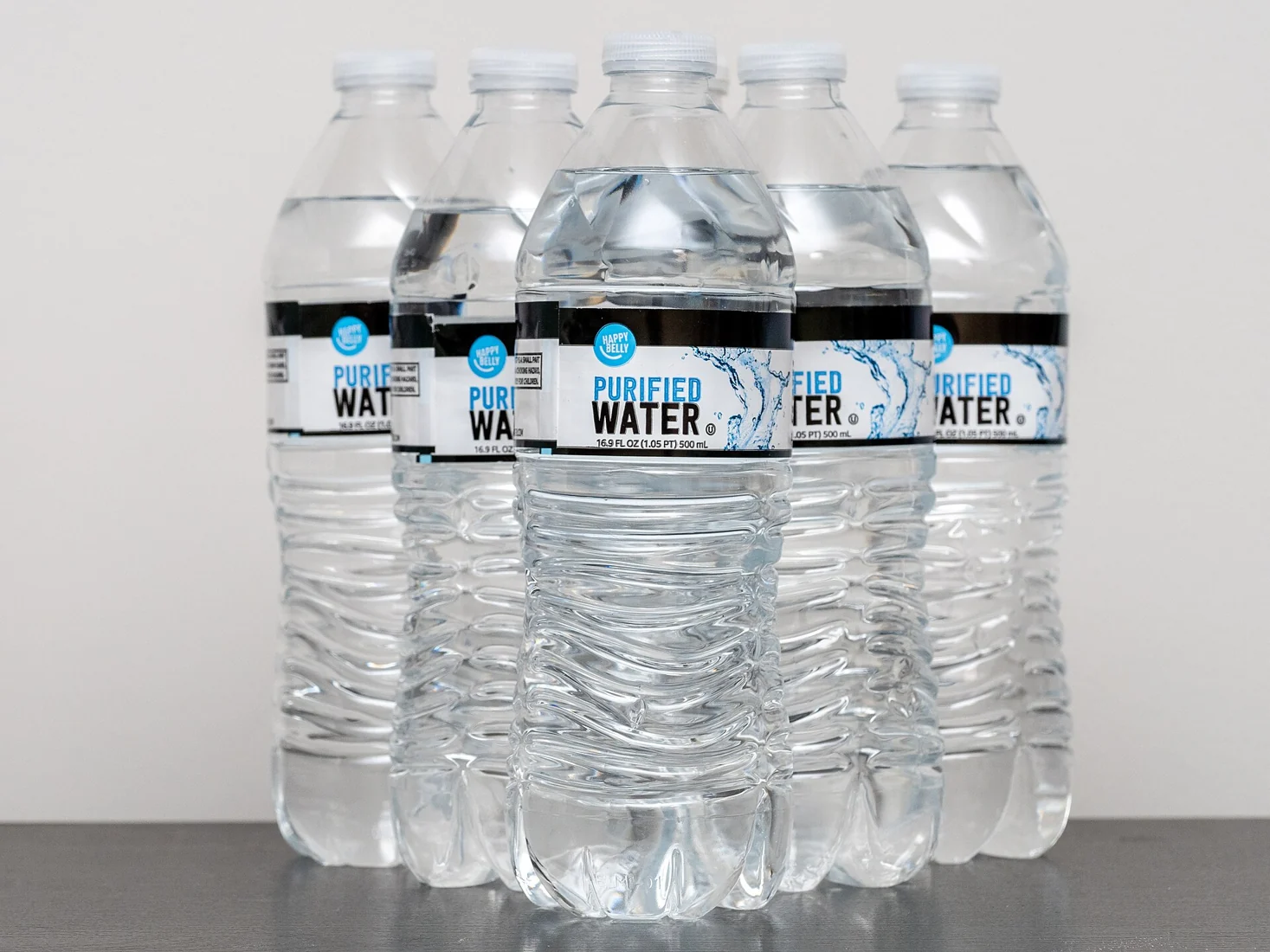
For a long-term emergency reserve, sealed purchased bottled water is the government’s recommended starting point. Refillable containers can still be useful for collecting an alternative supply or storing water temporarily when you have been given suitable instructions.
Start with the weight
One litre of water weighs approximately one kilogram. That makes a full five-litre container about five kilograms plus the container, while a 20-litre one weighs about 20 kilograms plus the container.
Before choosing a size, try carrying an equivalent weight safely over the route you would use. Include steps, doorways and the height of the storage shelf. Do not assume a container is manageable because another adult in the household can lift it.
Several smaller containers let you move one at a time and spread storage across appropriate locations. A larger container with a tap may be convenient once in position, but someone must still get it there and refill it.
Choose a container intended for drinking water
Look for an explicit statement that it is suitable for storing drinking water. Do not reuse containers that held cleaning products, fuel or other chemicals, even if they appear clean.
Check the lid and seal, whether the handle is comfortable, and whether you can fill it without spilling. A very narrow opening may be difficult to clean or dry. A tap makes dispensing easier but introduces another seal and part to maintain.
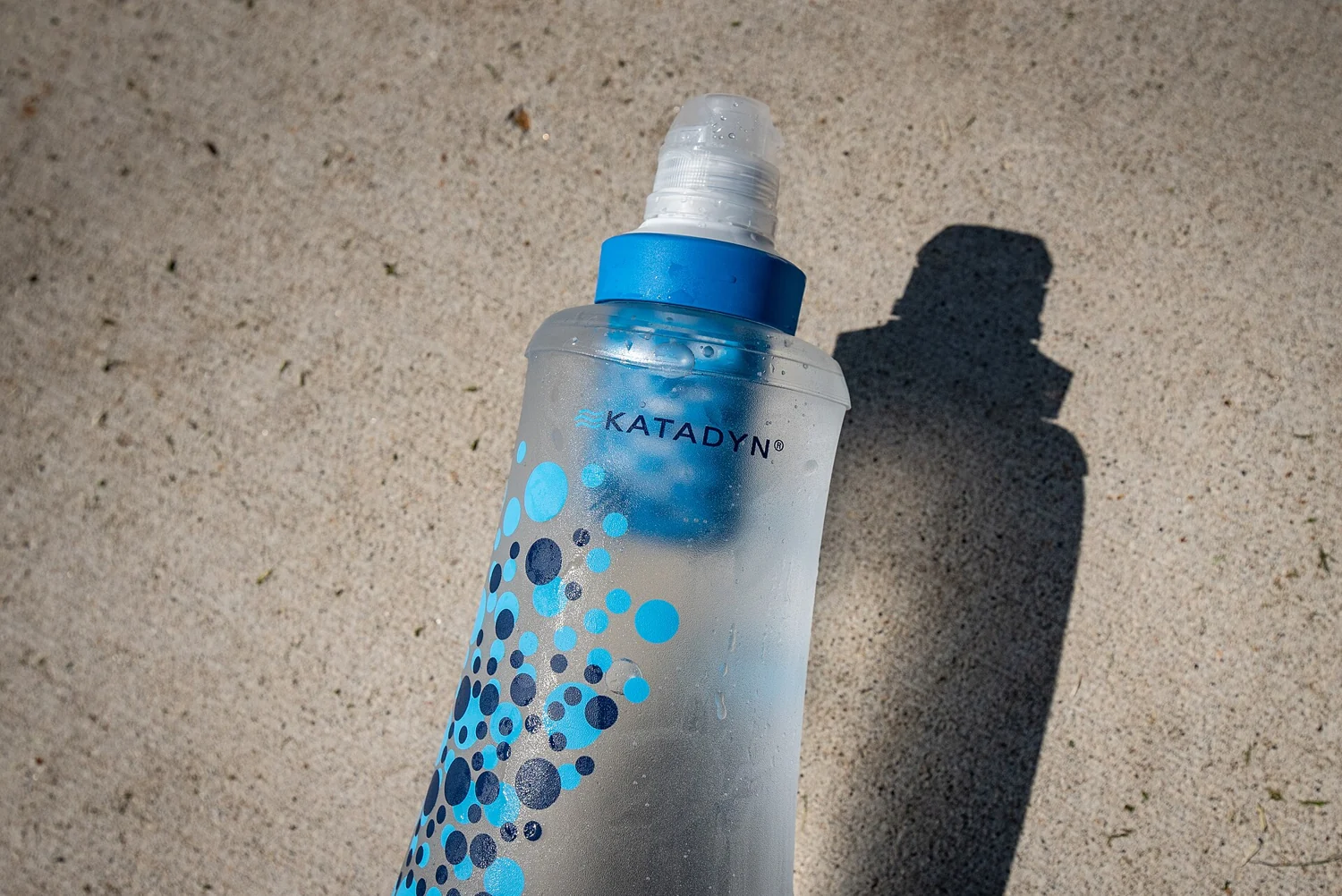
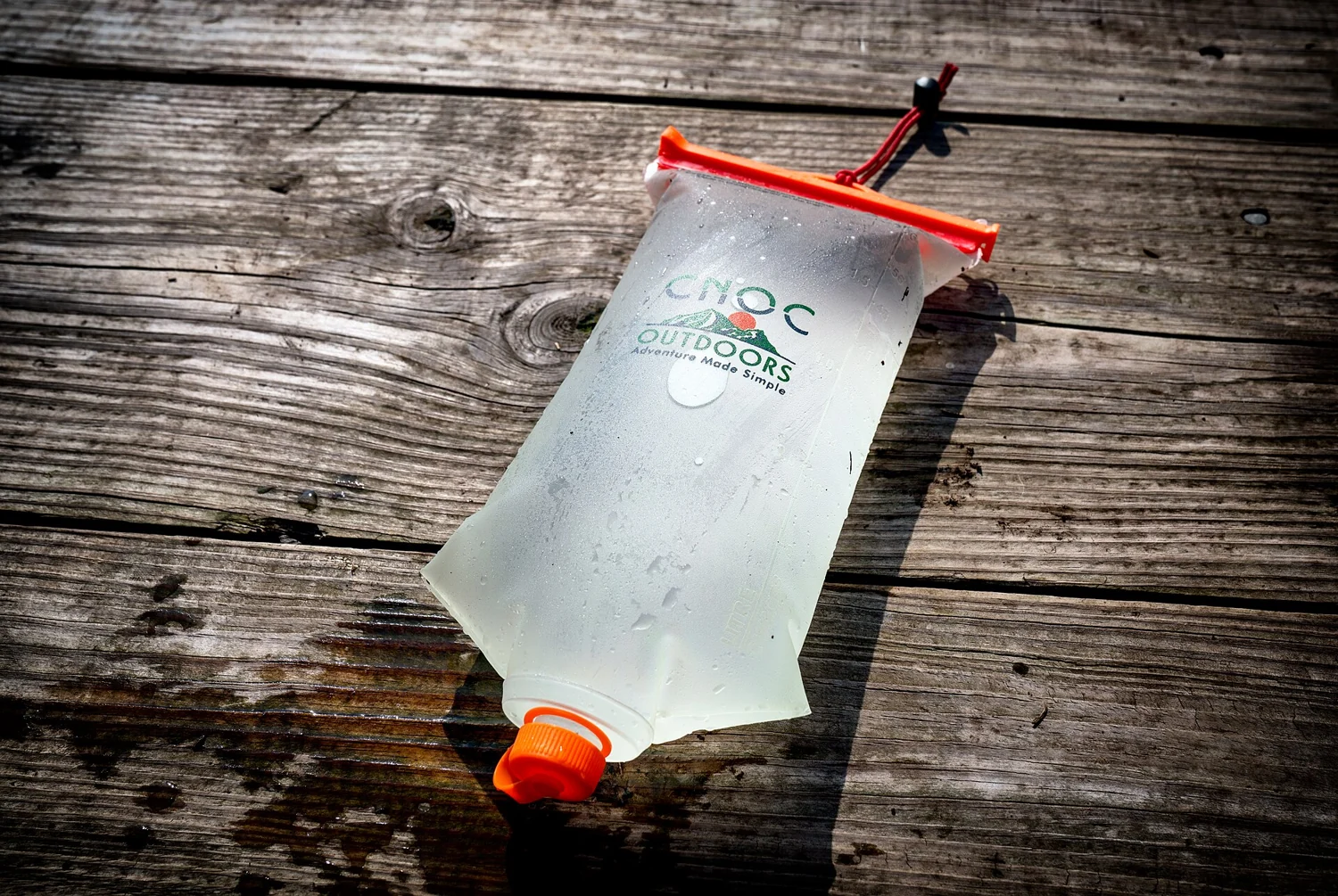
A collapsible carrier saves space when empty. Try filling and dispensing from it before relying on it: its shape and stability can change when full. Inspect it for leaks and follow the manufacturer’s cleaning, storage and replacement instructions.
Keep the clean side clean
Use clean equipment for drinking water. Avoid putting an unclean cup, hose end or your hand into the container. Keep lids available while filling and prevent a dispensing tap from contacting dirty surfaces.
If you collect water from a supplier’s distribution point, follow its instructions about collection, use and any treatment required. Label the collection date and the purpose of the water. Do not let a container used for toilet flushing become confused with the drinking supply.
Follow the storage instructions
How long home-filled water can be kept depends on the original supply, the container, preparation and storage conditions. A single internet rule cannot establish that your container will remain safe for months.
Follow the relevant supplier or manufacturer’s directions. If you want a reserve that requires less preparation and fewer assumptions, buy sealed drinking water, store it as labelled and rotate it. Keep the refillable carrier for the collection job it was chosen to do.