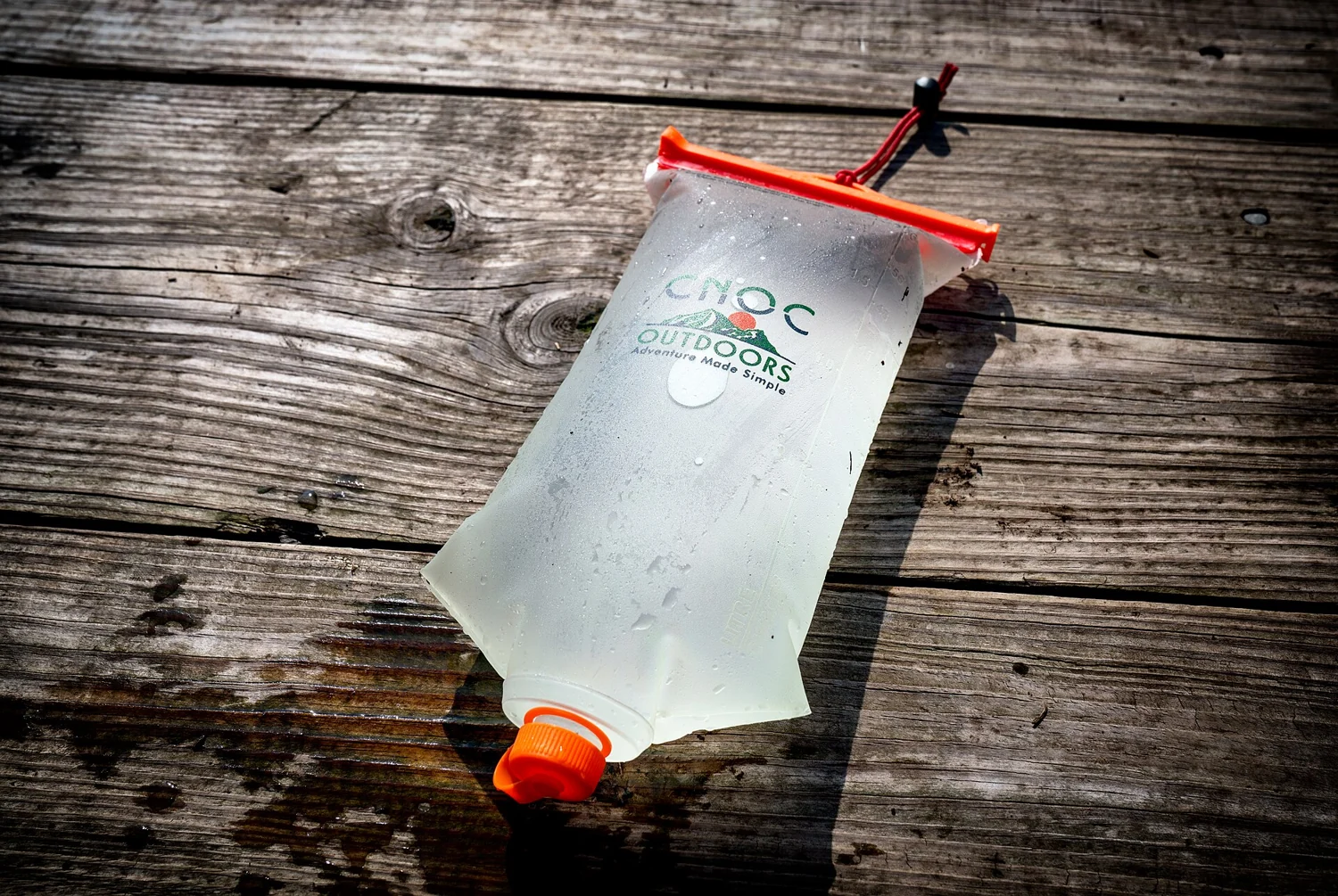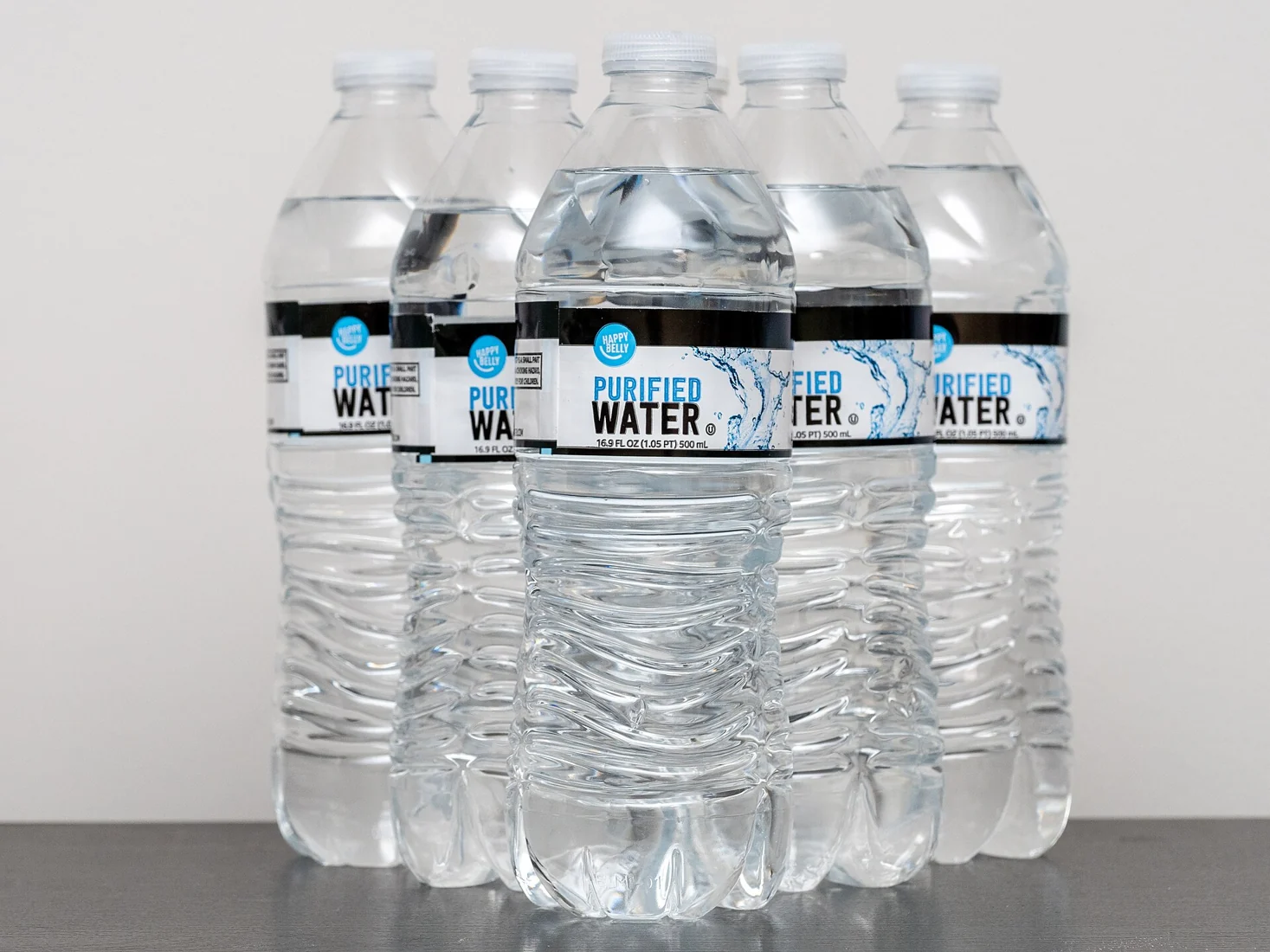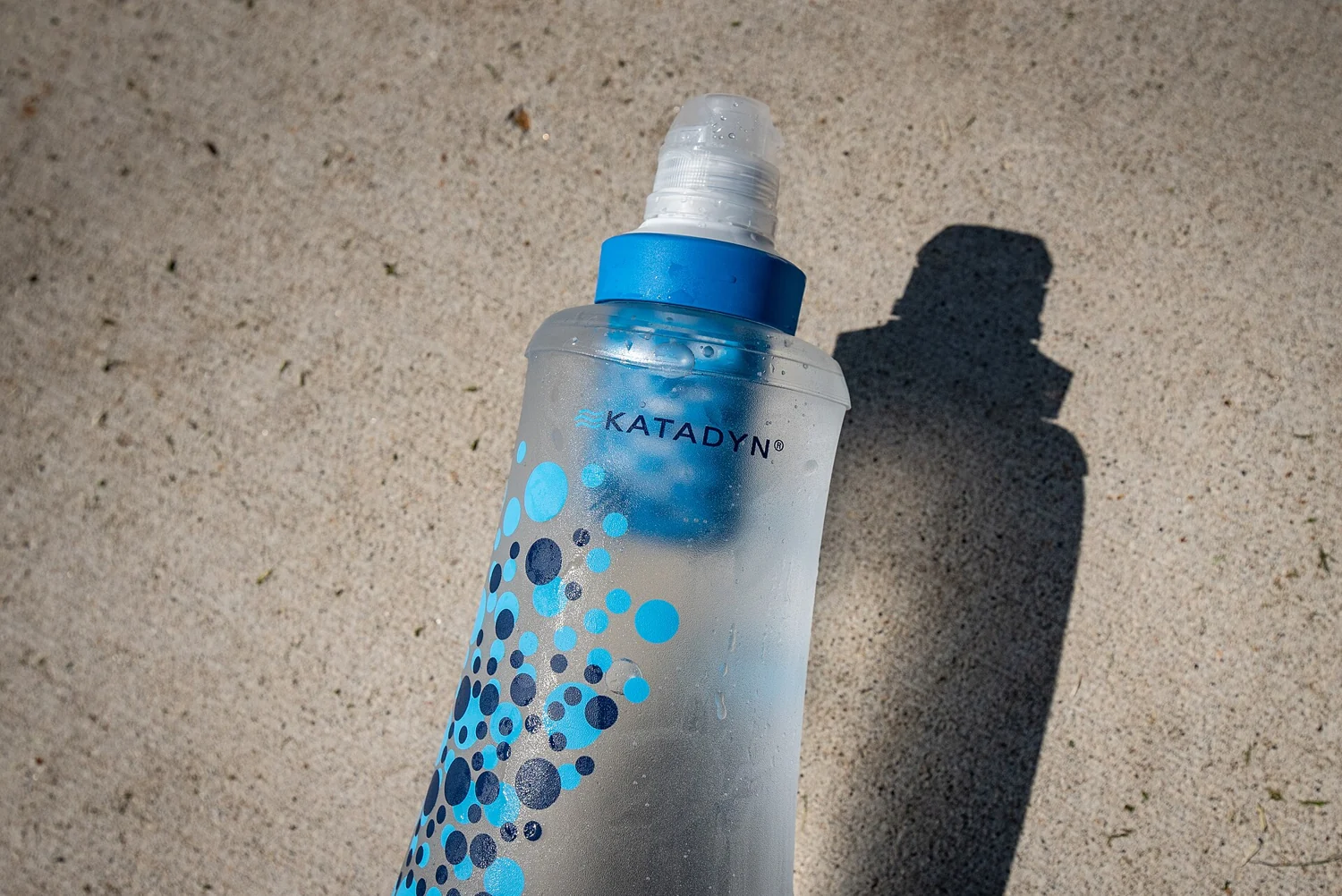
A water filter is not a universal emergency-water solution. The first question is what might be in the water. Dirt, bacteria, viruses, dissolved chemicals and salt are different problems, and products do not all address the same ones.
For a household preparing for a mains-water interruption, a reserve of sealed drinking water is the simpler first purchase. A filter becomes useful when you have identified a source, a likely hazard and a product with appropriate, clearly stated performance.
Read the removal claims, not the product name
Words such as “survival”, “outdoor” and “purifier” are not enough to choose a device. Find the manufacturer’s explanation of what the exact model removes, how it was tested and what it leaves behind.
For example, Sawyer says its Squeeze filter addresses bacteria and protozoa but does not remove metals, chemicals, pesticides, volatile organic compounds, hydrocarbons or salt. That is a manufacturer’s statement about that product, not a Real Prep test or a description of every filter.
A filter intended to improve the taste of normal tap water should not be assumed to make an unfamiliar outdoor source safe. Equally, water that looks clear may still contain hazards you cannot see.
Treat a water-company notice as the instruction
If your supplier issues a warning, follow the directions for your address. A boil-water notice is not the same as a do-not-drink or do-not-use notice. The Drinking Water Inspectorate explains that some situations require bottled water or another supplied alternative.
Do not decide that running the water through a filter overrides the notice. Ask the supplier if you are unsure what a particular restriction permits. That is especially important if there has been chemical contamination.
Check the work involved in using it
A useful filter needs to fit the way you will collect and dispense water. Check what containers it connects to, whether it is operated by squeezing, pumping or gravity, and how you avoid mixing untreated water with the treated supply.
Read the maintenance instructions before buying. Find out what cleaning or backwashing equipment is needed, how replacement parts are obtained and how the filter should be stored after use. A device that is easy to demonstrate once may be awkward for the person who needs to use it repeatedly.
Protect it from damage
Follow the storage instructions, particularly after the filter has become wet. Sawyer advises replacing a previously wetted Squeeze filter if you suspect it has frozen, because you cannot reliably determine whether it was damaged.
That matters for equipment left in a vehicle, shed or winter walking bag. Choose a storage arrangement appropriate to the actual product rather than assuming an apparently intact casing proves the filter is sound.
Before spending money, write down the intended source, the contaminants the model is designed to address, its limitations and its maintenance needs. Use the answers to compare models. If a seller cannot clearly explain a removal claim or limitation, choose a source of information that can.
Sources
Sawyer: Squeeze filter capabilities and care