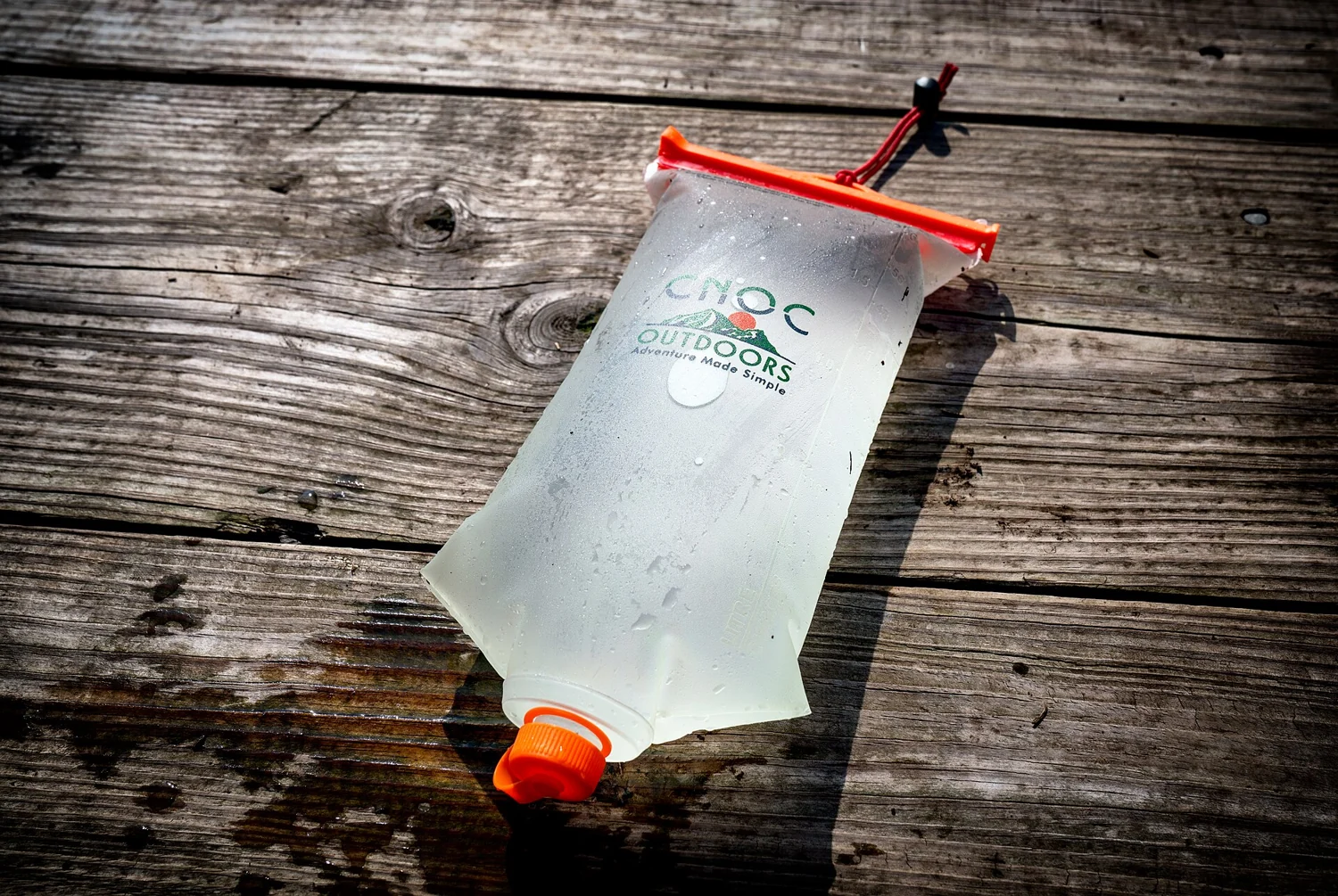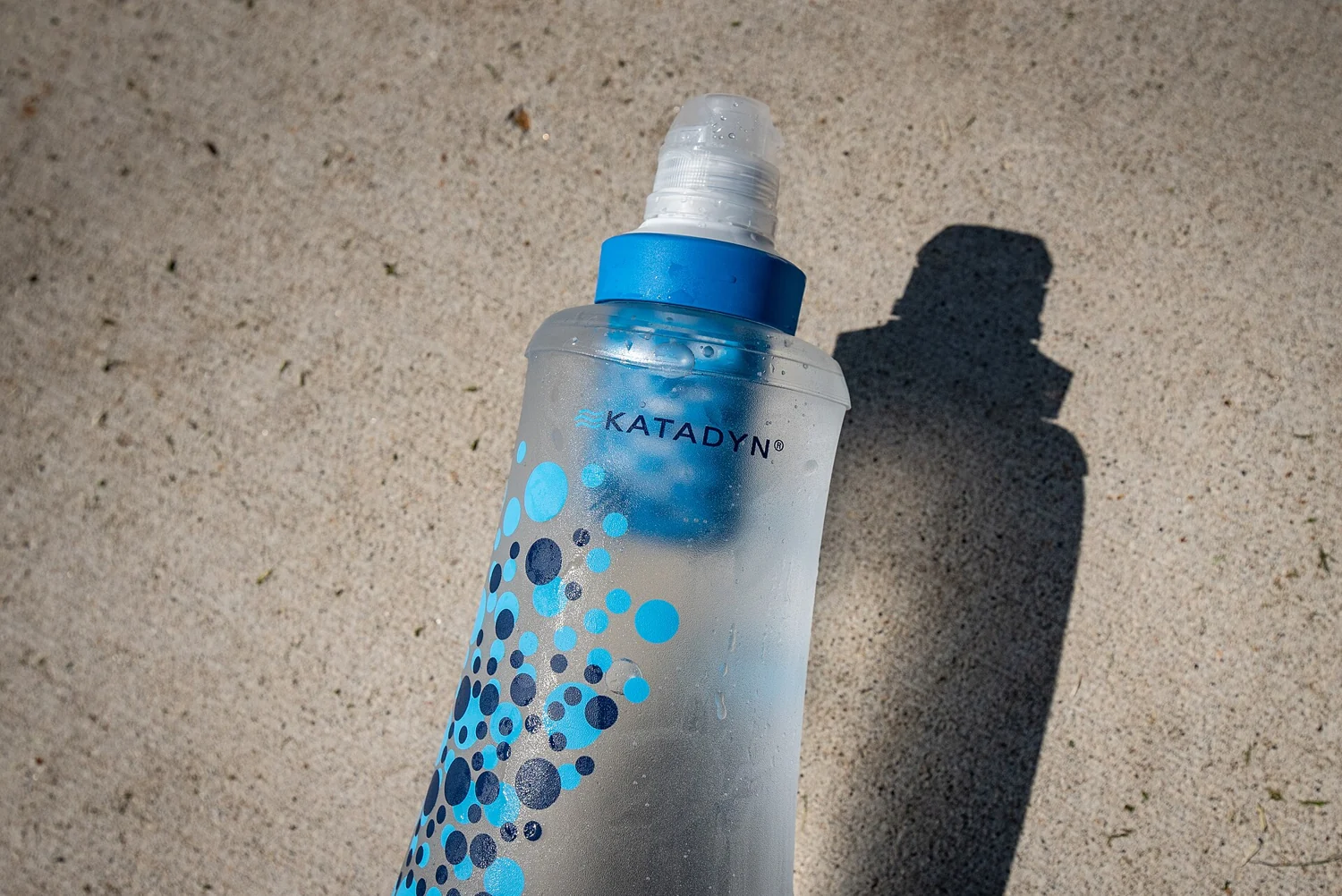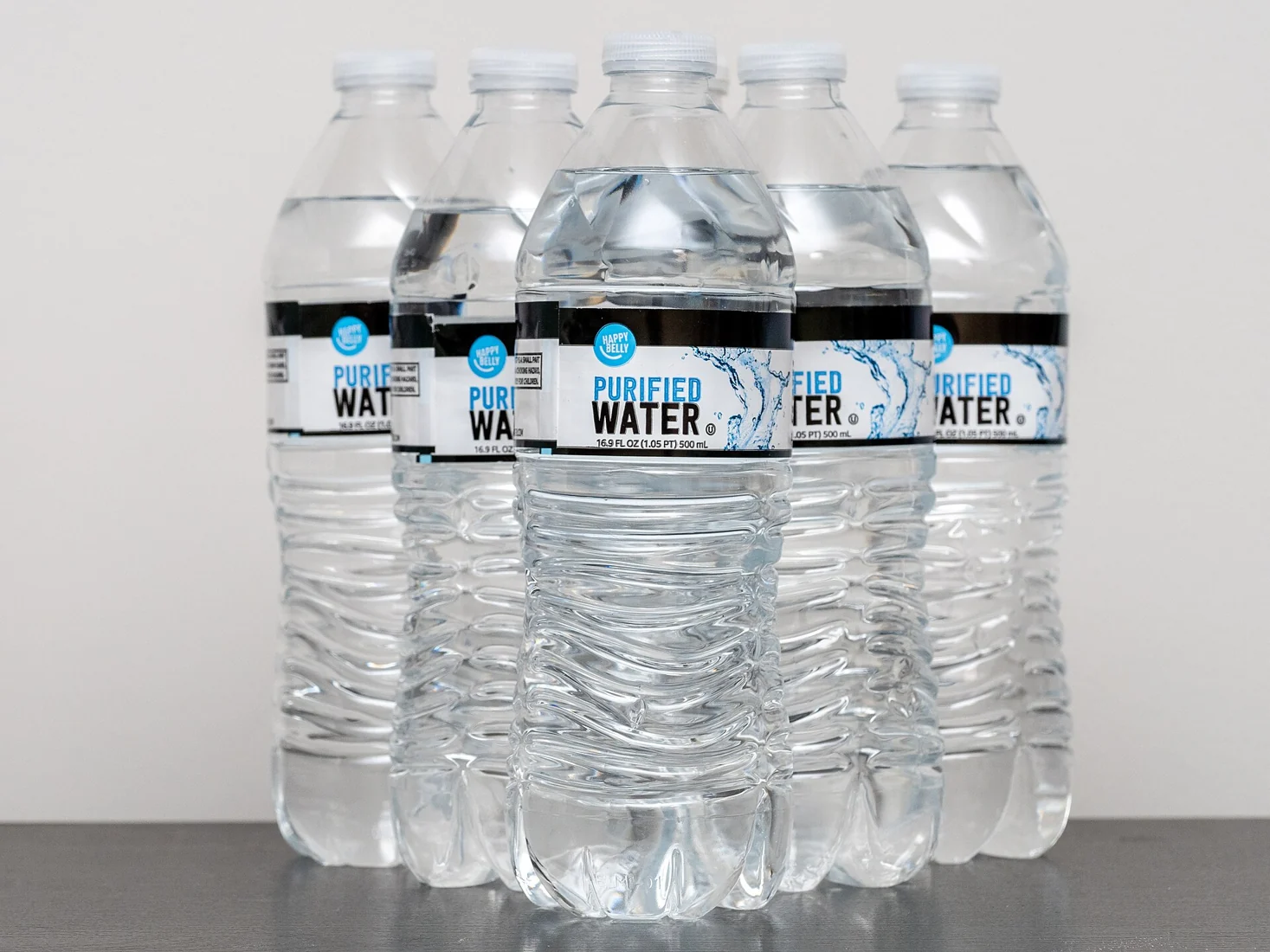
When a water main fails, bottled water has several competing jobs. You need to drink it, and you may also need it for food preparation and hygiene. Before buying a few bottles and declaring the job finished, work out what those bottles would cover.
For a straightforward emergency reserve, current government advice favours purchased, sealed bottled water over filling your own containers for long-term storage. You can buy it gradually and use and replace it through ordinary household consumption.
Calculate drinking water first
Government Prepare cites a survival drinking-water requirement of 2.5–3 litres per person per day. It also gives 10 litres per person per day as a more comfortable allowance covering basic cooking and hygiene. The two figures are not interchangeable.
Using 3 litres as a planning example:
- One person for three days: 9 litres for drinking.
- Two people for three days: 18 litres for drinking.
- Four people for three days: 36 litres for drinking.
For four people, three days at the broader 10-litre allowance would be 120 litres. That illustrates why a few small bottles are useful but do not cover every household task. Account separately for pets and specific feeding, health or equipment needs; ask for individual advice where relevant.
Choose a reserve you can handle
Five litres of water weighs approximately five kilograms before adding the container. A 20-litre container is a much more awkward object to lift, carry upstairs or pour from.
Smaller sealed bottles may be easier to distribute between suitable cupboards. Check the storage instructions and dates, keep the bottles away from chemicals and inspect for damage. Write down the total stored so you do not have to count bottles during an interruption.
Do not use every bottle in the house for routine drinking and forget to replace it. Mark a minimum stock level on your inventory, then add the replacement to your next ordinary shop whenever you go below it.
Find your water supplier’s incident information
Keep the supplier’s contact details and outage page accessible. During a disruption, use its updates to find out which addresses are affected, whether water is being distributed and what advice applies to your property.
Think about collection before it is necessary. Could you carry water home? Would someone need to collect it for an older relative? Ask the supplier about additional-support registration if a household member would struggle to obtain supplies.
Follow the actual water notice
A boil-water notice is different from an instruction not to drink or use the supply. Follow the notice for your address. Boiling is not a general solution to every type of contamination, and a domestic or camping filter is not permission to ignore the supplier’s directions.
If water-dependent medical equipment or infant feeding is involved, ask the relevant provider about safe arrangements. Do not improvise a treatment method from a general internet checklist.
Start by calculating the drinking reserve and choosing somewhere to store it. Then identify which other tasks need water, and which can wait during a short outage. That gives you a useful first target and a clear reason for any extra storage.
Sources
Government Prepare: water supplies, quantities and support
Drinking Water Inspectorate: understanding a boil-water notice