A phone charger and an electric heater ask very different things of a battery. Before buying backup power, write down the equipment you want to run and how long you need it. Otherwise, it is easy to spend a lot of money on a box that cannot do the job you bought it for.
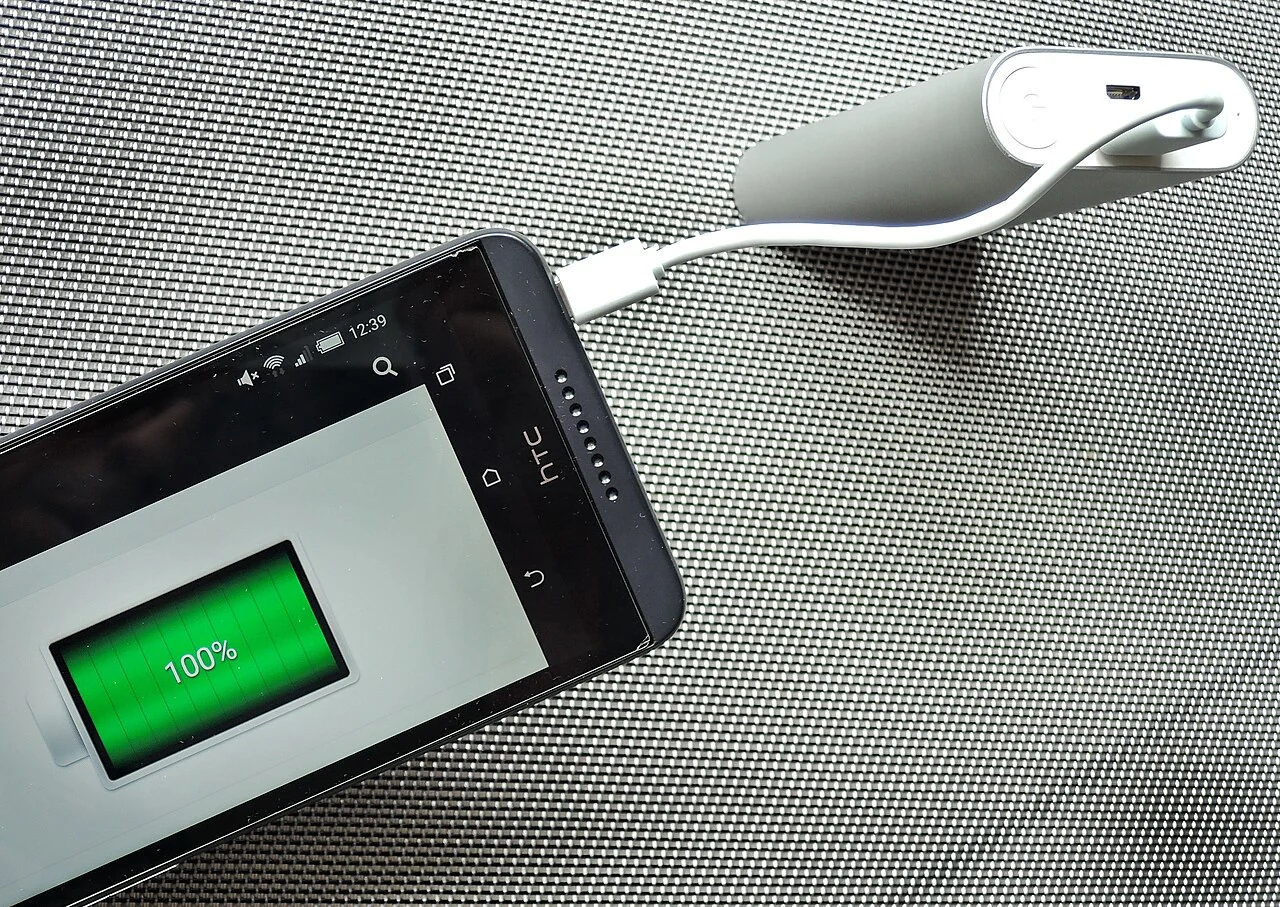
For a phone, a suitable USB power bank may be enough. Equipment with a mains plug requires a different level of checking. The two figures that matter first are output power in watts and stored energy in watt-hours.
Watts tell you whether it can run the appliance
Watts, written W, measure power. Check the appliance’s electrical input rating and the battery unit’s continuous output rating. If several devices will run together, add their demands.
As an arithmetic example, a 40 W device and a 60 W device draw 100 W while both operate. A battery’s large capacity does not make a 100 W output socket capable of supplying a 1,000 W appliance.
Some appliances also need extra power when starting, particularly equipment with motors or compressors. Check compatibility and starting demand with the manufacturers. A microwave’s advertised cooking output is not necessarily its electrical input; use the input specification.
Watt-hours tell you how much energy is stored
Watt-hours, written Wh, are a measure of energy. A useful first calculation is battery capacity divided by a steady appliance demand.
For example, a hypothetical 500 Wh battery divided by a constant 50 W load gives ten hours before losses. The real runtime will be shorter because operating the battery’s electronics and converting its output also use energy. Temperature, charge level and the way an appliance cycles can change the result.
Treat that calculation as a way to compare options, then use a manufacturer’s appropriate runtime information or a measured test of the actual setup. It is not a promise that any particular 500 Wh product will run your appliance for ten hours.
Heating uses up a small reserve quickly
The same calculation explains why supplying electrical heat is demanding. A hypothetical 500 Wh battery supplying a 1,000 W load has only half an hour of energy before losses—and it must be capable of that output in the first place.
Compare that with keeping lower-demand equipment running. A reserve intended for phone charging, lighting and essential communication can be much smaller than one intended to cook meals or heat a room.
Separate “would be convenient” from “must work”. If medical equipment is involved, get advice from the care team and equipment supplier before selecting a backup. Check any interruption during changeover, not just the battery size.
Check how you will recharge it
A battery only helps until its stored energy is used. Find out how long recharging takes using the charging method you would have available, and whether you can move the unit safely to that location.
A portable solar panel can be an option, but its rated output is not a guaranteed supply through a British winter day. Shading, daylight, placement and weather matter. Buy against your actual charging arrangements rather than a photograph of a panel in summer sunshine.
Use portable equipment as its instructions specify. Do not connect a battery or generator to household wiring through an improvised lead. Fixed backup arrangements need an appropriately qualified installer and a system designed for that purpose.
Sources
Jackery UK: choosing output and capacity