Everyday torch
A buying checklist for a practical household torch: usable beam, straightforward controls and a battery arrangement you can maintain.
Choosing this equipment
A buying checklist for a practical household torch: usable beam, straightforward controls and a battery arrangement you can maintain.
Use the guidance below to compare suitable equipment before buying.
If you buy through an affiliate link, Real Prep may earn a commission. You buy directly from the retailer.
Choose a torch for the tasks you expect to do: finding something in a cupboard, moving around the house or looking a short distance outside. The largest brightness figure is not automatically the best choice for those jobs.
What to look for
A broad, comfortable beam is useful indoors. An adjustable brightness setting lets you use only the light you need. Check the stated runtime for that setting, rather than assuming the longest advertised runtime applies at maximum output.
Try the controls if possible. The torch should be easy to hold and switch on, including for the person who will use it. Complicated mode sequences can be frustrating when all you want is a steady light.
Batteries and storage
Choose either a rechargeable model with a charging routine or a replaceable-battery model with the correct spares. Keep the cable or spare batteries in an agreed place. Follow the instructions for prolonged storage.
If several lights share a battery type, maintaining spares can be simpler. Check the required quantity as well as the battery size.
What it does not replace
A torch is directional. A lantern may be more comfortable for meals or lighting a shared room, while a head torch leaves both hands free. Choose the combination that suits the household rather than buying several similar torches.
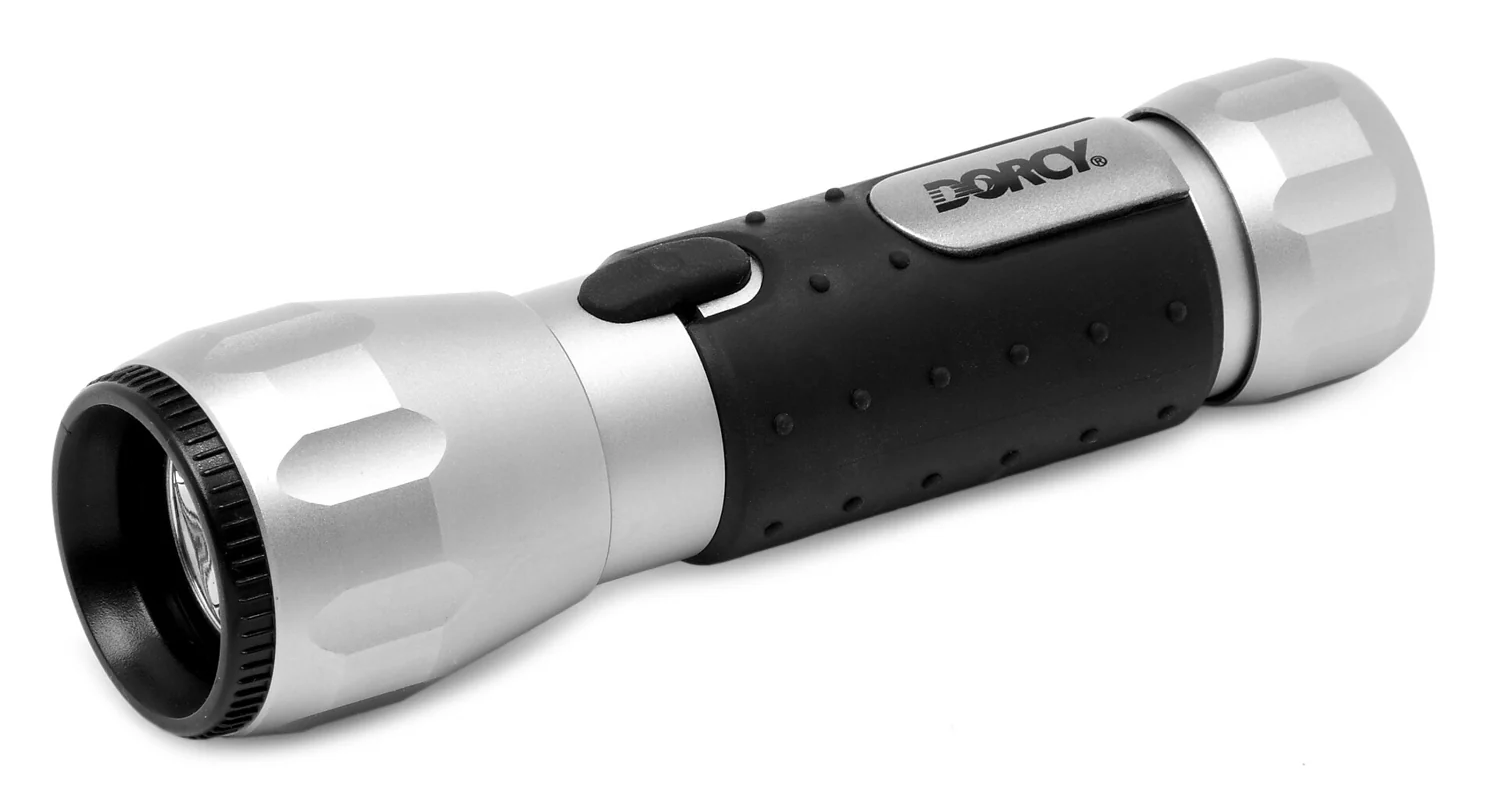
The photograph is representative equipment imagery. This page explains selection criteria; it does not claim that the pictured model has been tested or recommended by Real Prep.
Read the emergency lighting guide
Sources
Keep reading
Preparing for a power cut: what you actually need at home
Lighting, phone charging, an easy meal and reliable information: cover the essentials before spending money on larger backup systems.
Emergency lighting: choosing torches, lanterns and batteries
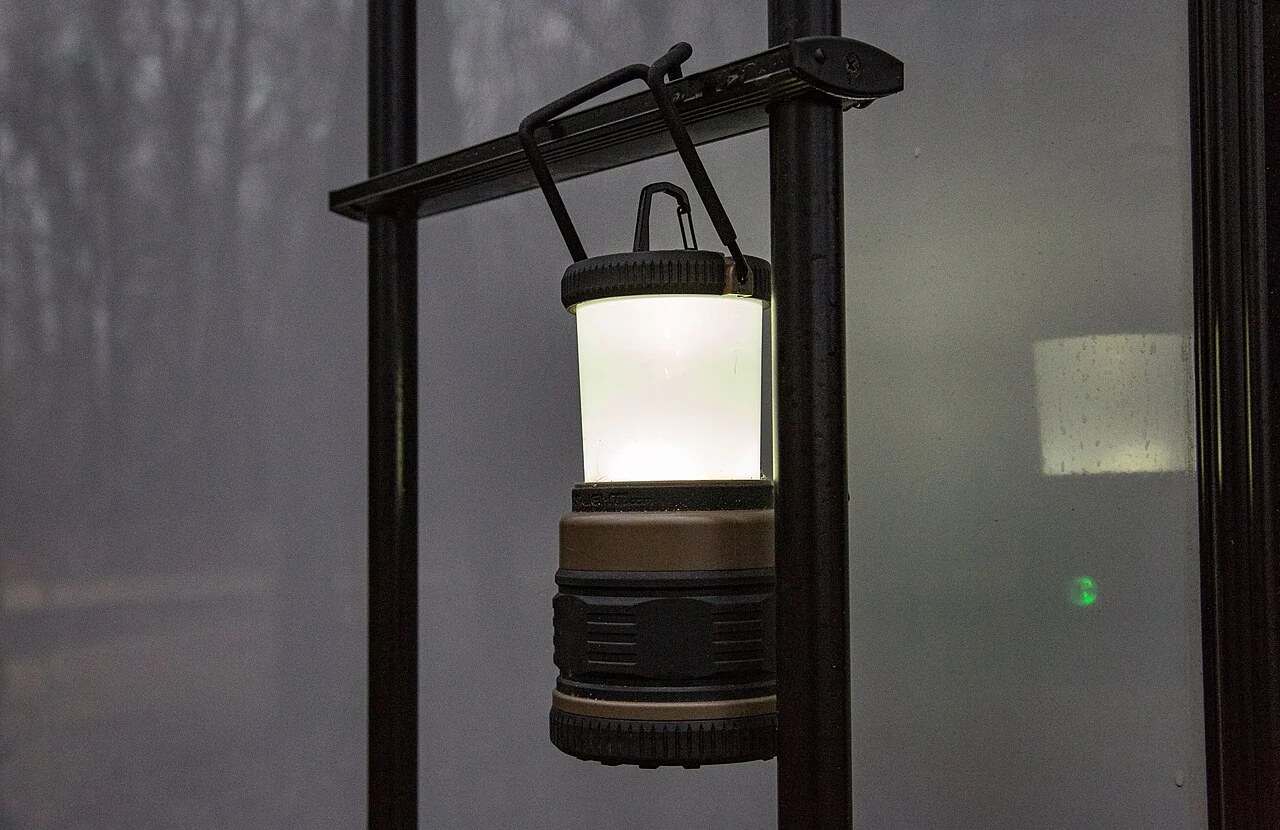
Choose the right light for each job, understand runtime claims and avoid a cupboard full of incompatible batteries.
Buying backup power: understand watts before you spend
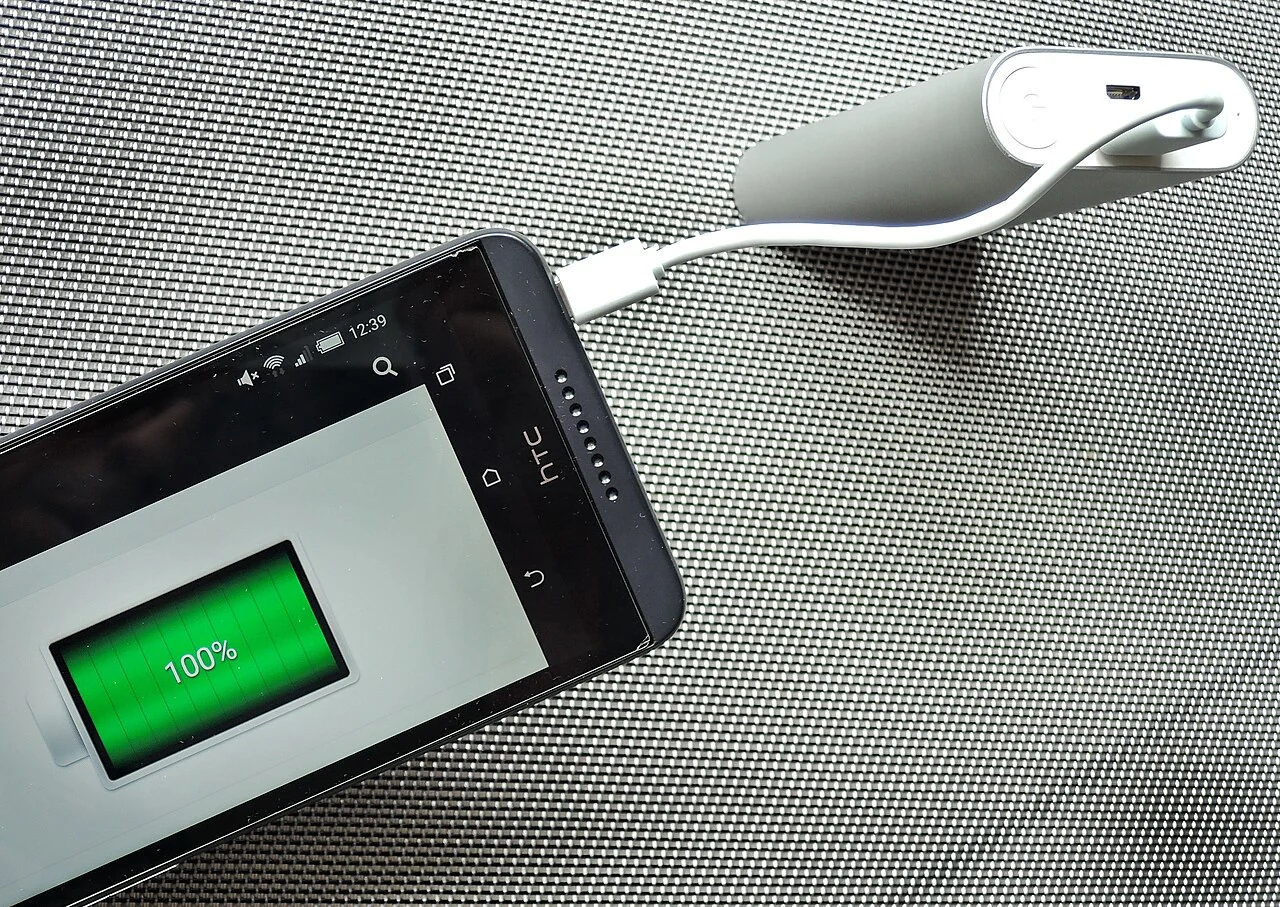
Learn what W and Wh mean, estimate a runtime and check whether a battery can actually operate the equipment you need.