A powerful torch can light the far end of a garden and still be awkward to use at the kitchen table. A good home lighting setup needs to do three jobs: help you move safely, light a shared room and leave your hands free when you need them.
You can cover those jobs with a handheld torch, a lantern and, if useful, a head torch. Buying several versions of the same narrow-beam torch is less helpful.
Choose the beam for the job
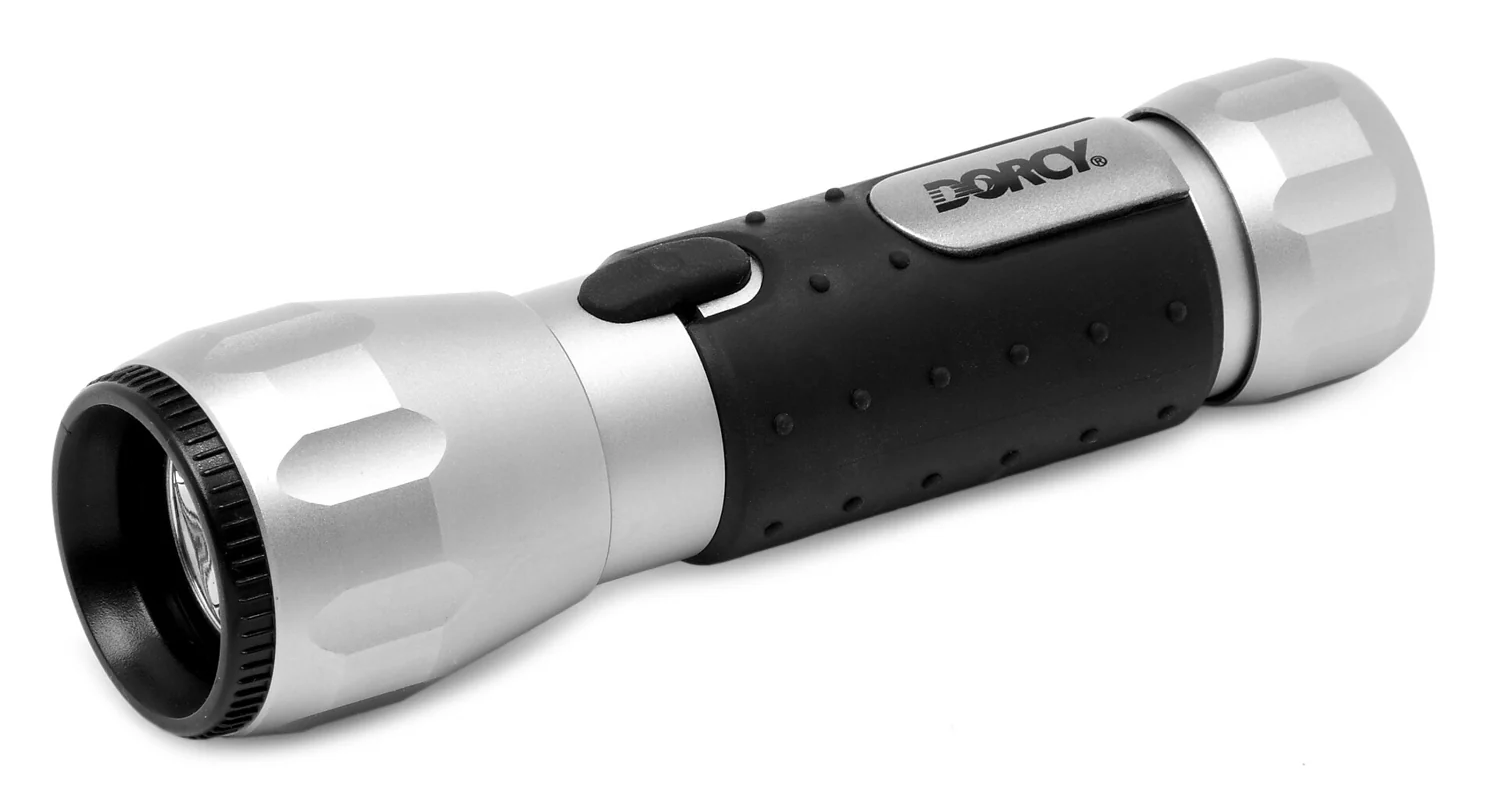
Use a handheld torch for looking down a passage, checking outside from a safe position or finding something in a cupboard. A broad beam is generally more comfortable indoors than a very concentrated spot.
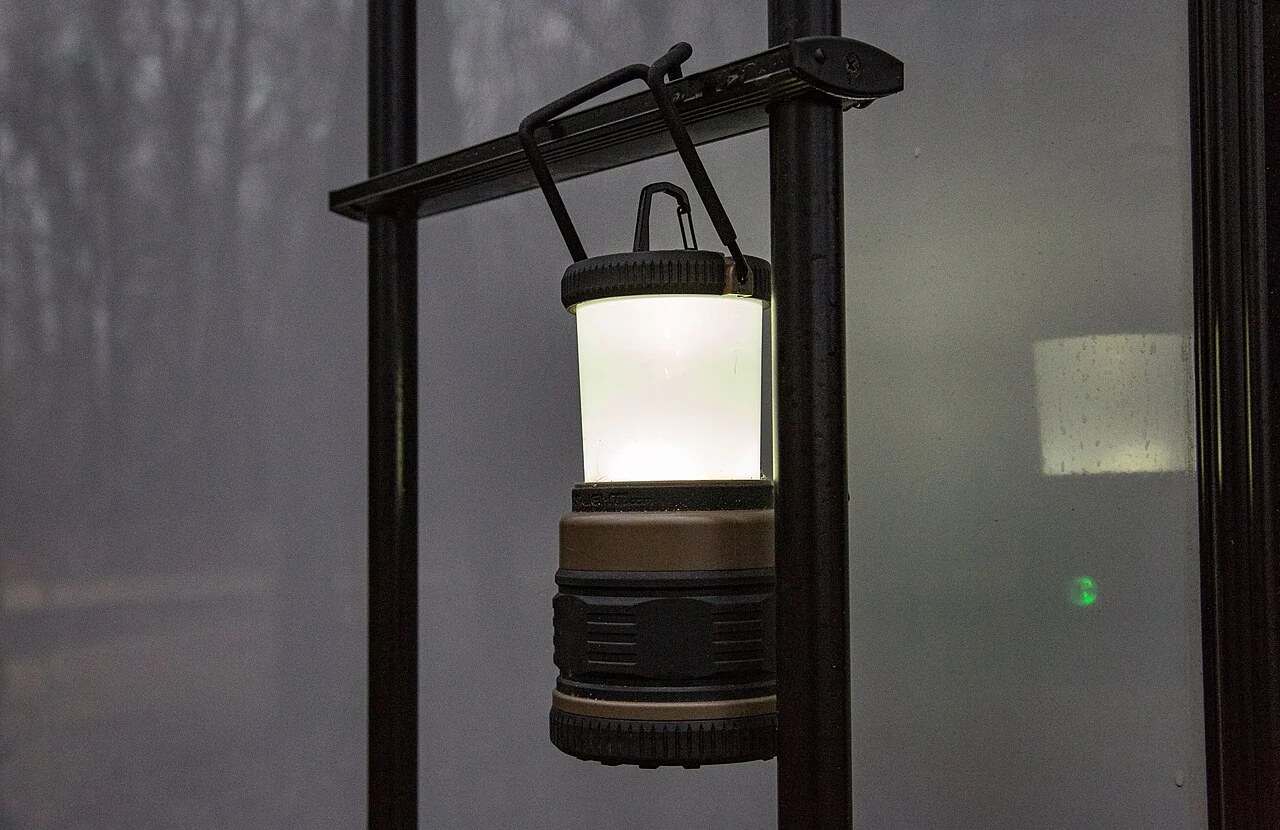
For meals, reading and board games, choose a lantern with a stable base and an adjustable brightness setting. Put it where it lights the table without shining directly into everyone’s eyes. Check that the controls are easy to operate and that it cannot easily be knocked over.
A head torch is useful when both hands are occupied. Try one before buying several: the strap should remain comfortable, the lamp should point down towards your work and the button should be easy to find.
Compare brightness and runtime together
Lumens describe light output. A higher figure does not tell you how useful the beam is or how long the lamp will run. Petzl explains the basic trade-off: drawing more light from a given battery reduces the available running time.
Look for a runtime for each brightness setting. A large number on the packaging may refer to the lowest mode. Equally, the brightest mode may only be intended for brief use. Compare the light level you would actually use for a meal or a trip upstairs.
Avoid choosing on a headline claim such as “runs for 100 hours” without finding out what brightness remains during that time. Read the manufacturer’s explanation of its runtime test if the distinction matters to your purchase.
Keep the battery arrangements simple
If you choose replaceable-battery lights, reducing the number of battery types makes spares easier to manage. Record the required size and quantity on the box where the spares live. Follow the instructions on whether to remove batteries during prolonged storage.
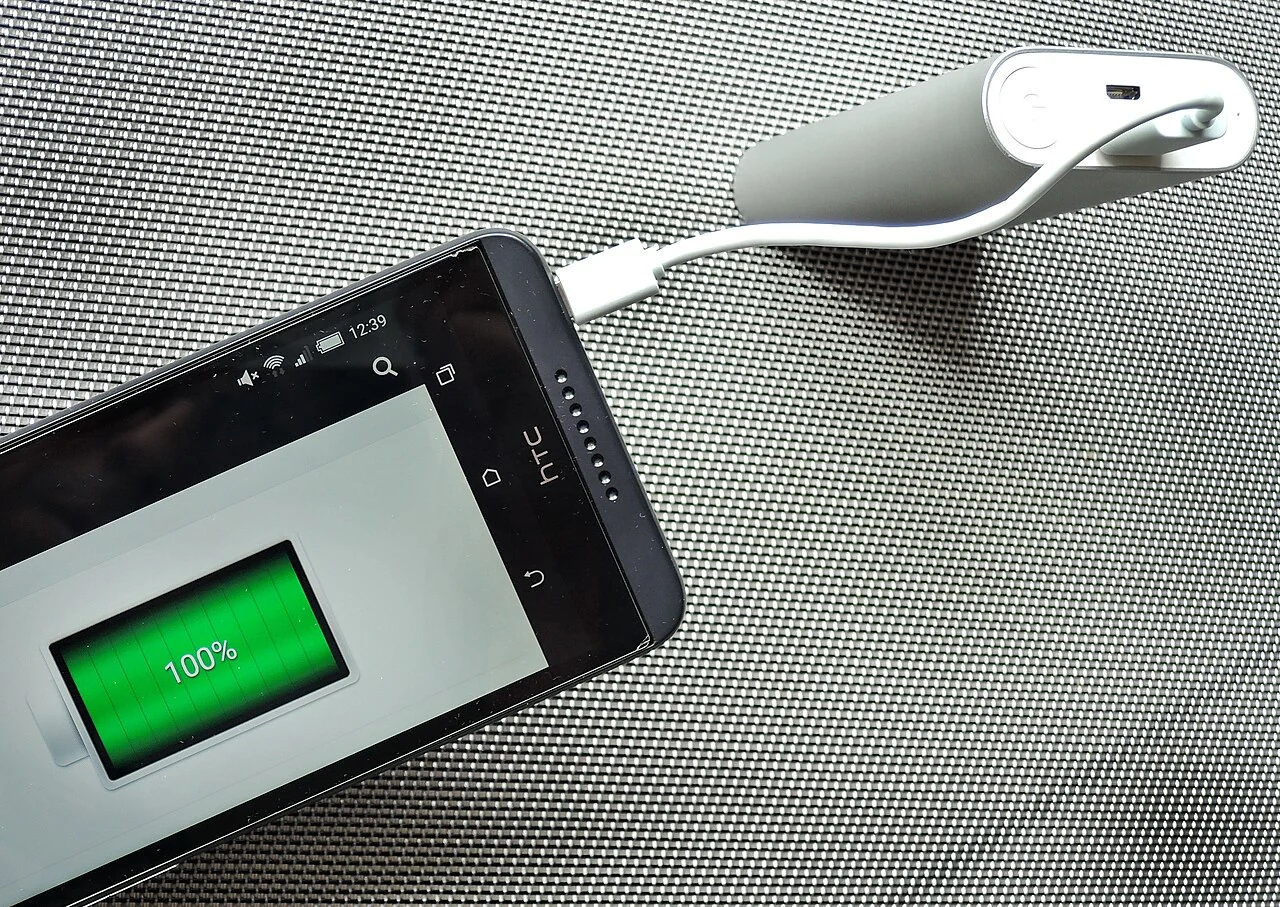
Rechargeable lights are convenient for regular use, but they need a charging routine. Keep the right cable with them and check whether an ordinary power bank can recharge them. Do not assume that a USB socket on a light works in both directions.
A mix can be useful: a rechargeable light you use regularly and a separate torch with correctly stored spare batteries. That gives you a second option if the rechargeable one was left flat.
Test the setup in a dark room
Try the lights after sunset while the mains electricity is still available. Can you find them? Can you read a medicine label, use the stairs and prepare a sandwich comfortably? Can another household member change the batteries?
Move an awkward light or replace a confusing one now. Keep a personal torch accessible from each sleeping area, and give the shared lantern a fixed place. Choose fixed locations, then check the lights and their batteries after use.