A power cut is much easier to deal with when you can see what you’re doing, charge your phone and put a meal on the table. Those are the first problems worth solving. You can cover them with a small amount of equipment and food you already buy.
Start by imagining the electricity going off this evening. Where is the torch? Is it charged? Could everyone find it? If dinner is halfway through cooking, what would you eat instead?
The answers will tell you more about what you need than a ready-made “survival kit”.
Get the lighting right
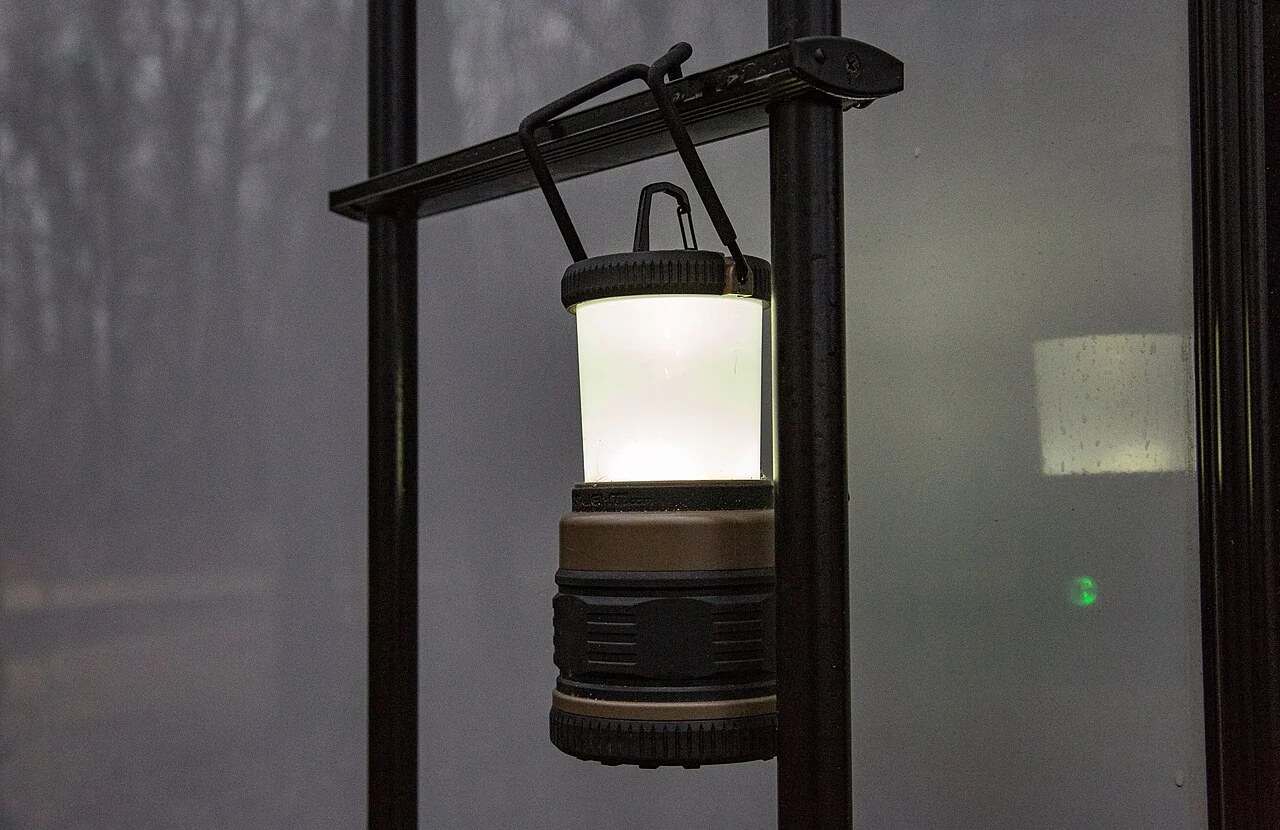
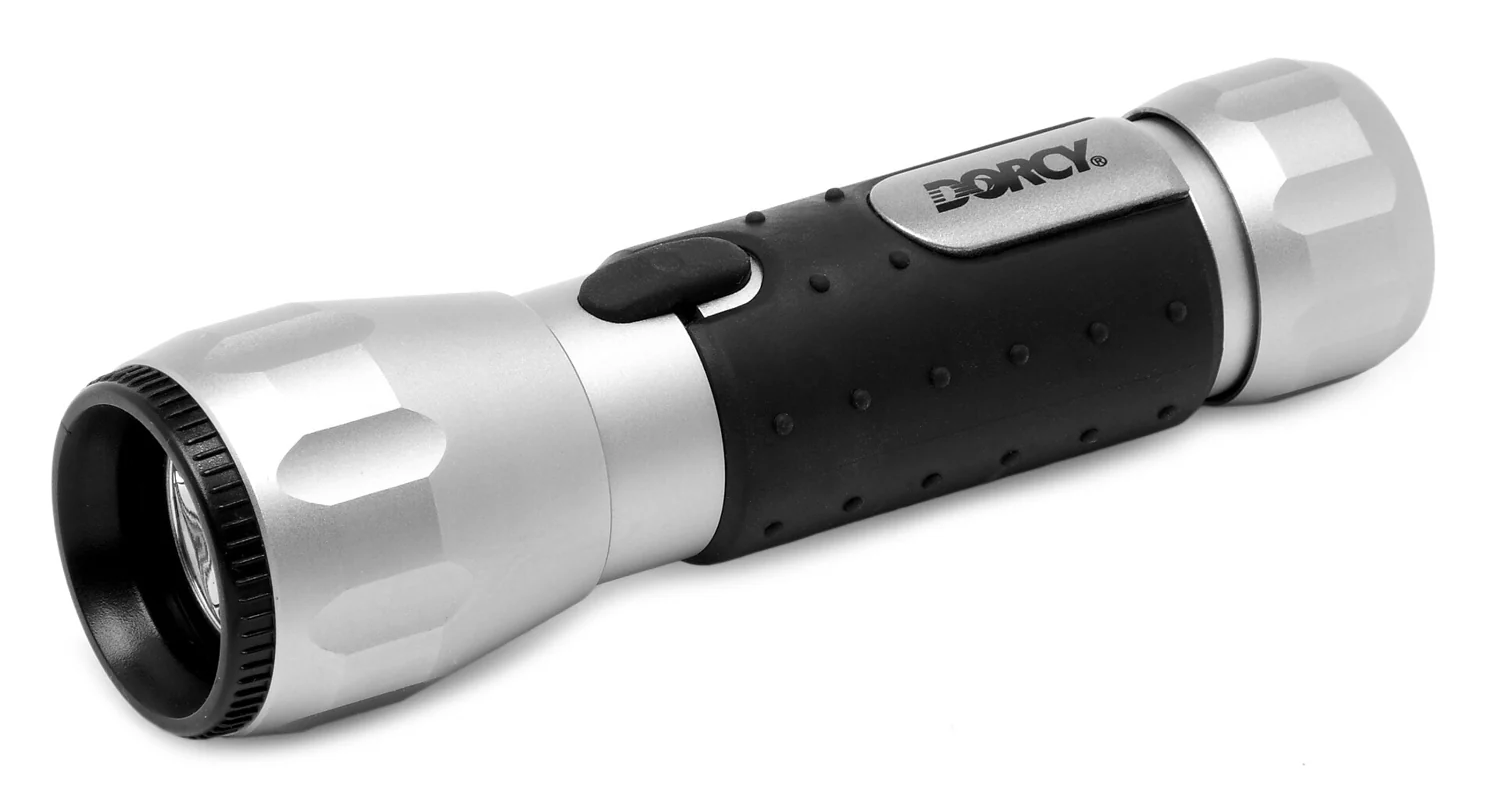
A torch is useful for finding the fuse box or walking upstairs. For sitting through an evening, a battery-powered LED lantern is more convenient: put it on a table and everyone can use the light.
A head torch is also worth considering. It leaves both hands free for preparing food, carrying things or helping a child.
For a basic household setup, start with a torch near your bed and a lantern in a known cupboard. Choose lights with a low-brightness setting, then check the stated runtime at the setting you expect to use. Maximum brightness is less useful than enough light for the whole evening.
If they take disposable batteries, keep the correct spares beside them. If they’re rechargeable, check their charge periodically. Government advice recommends torches over candles because they are safer.
Know where to get an update
Save the power-cut number in your phone:
- England, Scotland and Wales: 105.
- Northern Ireland: 03457 643643.
These connect you to information about the electricity network. Your energy supplier—the company you pay—is not necessarily the company repairing the fault. Use the network operator’s updates to find out whether the outage is known and whether there is an estimated restoration time.
An estimate helps you decide whether to wait, change your dinner plans or arrange somewhere else to stay. Check for updates occasionally rather than spending the evening refreshing the page.
Keep one easy meal in the cupboard
Choose something your household already eats that does not need cooking or refrigeration. Suitable crackers, ready-to-eat tinned fish or beans, and tinned fruit could make a simple meal. Check the product instructions, account for allergies and keep a manual tin opener.
Think about pack sizes, too. A large tin creates leftovers; smaller packs may be easier to finish when refrigeration is unavailable.
Keep the fridge and freezer closed as much as possible. The Food Standards Agency estimates that a closed fridge can stay cold for around four hours, while frozen food may remain frozen for around 48 hours in a full freezer or 24 hours in a half-full one. These are estimates, affected by the appliance and conditions. A fridge thermometer helps you judge what has happened; consult the official food-safety guidance if the outage continues.
If you own a camping stove, keep its use to a suitable outdoor location and follow its instructions. Never use a camping stove or barbecue indoors. They create a risk of fire and carbon monoxide poisoning. A no-cook meal is particularly useful when you have no safe outdoor cooking space.
Check what else depends on electricity
Many gas boilers need electricity for their controls and pump, so a gas supply does not guarantee working heating. Have warm clothing and bedding accessible. If the house becomes too cold, especially for someone vulnerable, seek help or arrange a warmer place to stay.
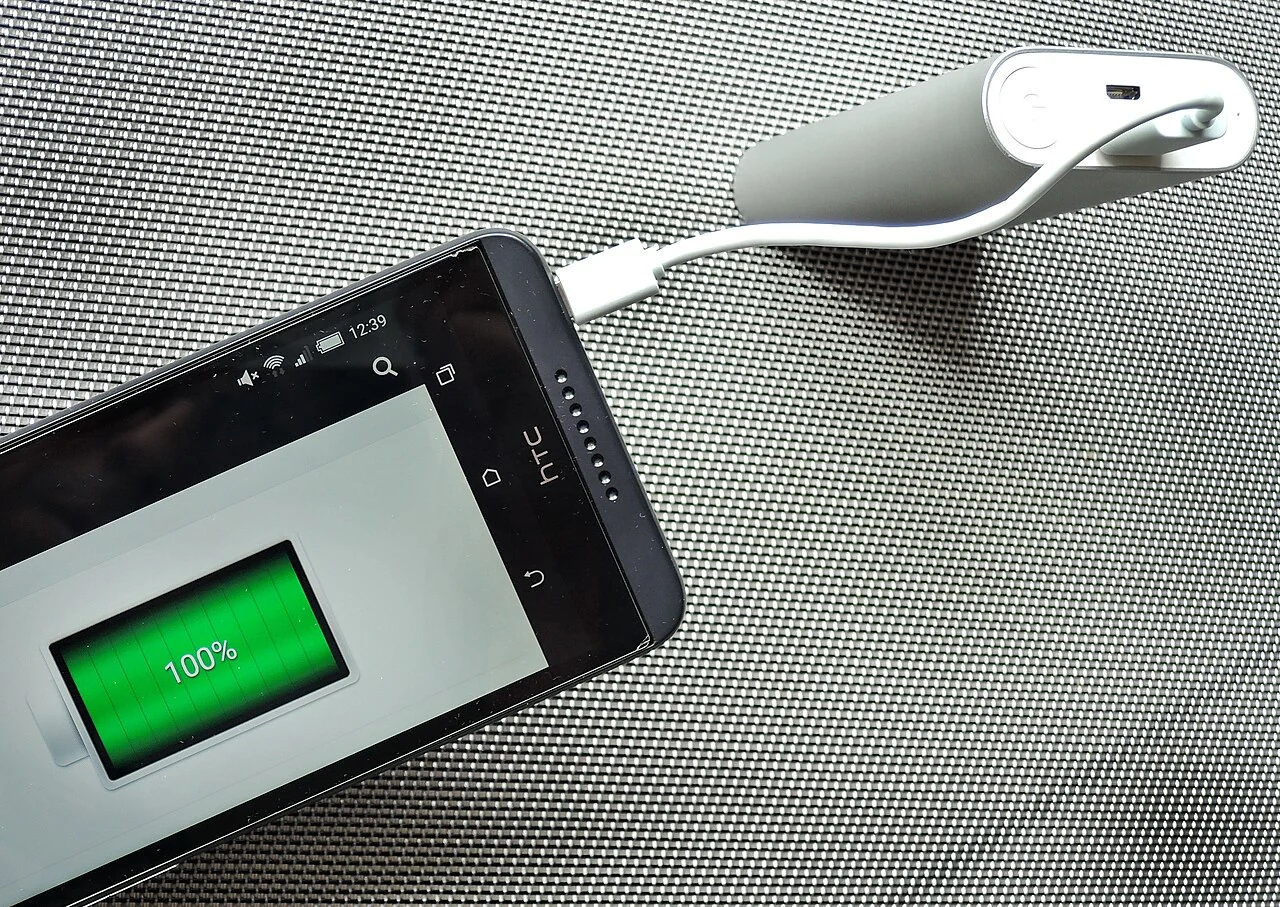
Keep a charged power bank with the cable your phone actually uses. Test that combination before putting it away. It can recharge the handset, but it cannot restore a failed mobile network or broadband connection.
If someone uses powered medical equipment, get specific outage instructions from their care team and equipment provider. Ask about additional-support registration as well. Their needs come before the general household kit.
You can get the basics together this week: find or buy suitable lighting, test your phone charger, save the contact number and set aside one easy meal. Put everything in its agreed place, then show the rest of the household where it is.
Sources
Government Prepare: power cuts