A charged phone is useful, but a full battery does not guarantee a working connection. A fault can affect your mobile network, your broadband provider or the local equipment supporting several services.
Prepare for two separate problems: the device running out of power and the connection becoming unavailable. A power bank addresses the first. The second needs information and arrangements you can use without an app.
Save the information you usually look up
Keep important contacts on paper, including family, care services, utilities and the workplace. Write down a person’s actual number rather than relying on a messaging-app contact name.
Download maps for journeys you make regularly and learn how to open them offline. A phone’s positioning capability and its downloaded map data are different things. Do not assume the route will still display because navigation worked while you had internet access.
Keep essential booking or travel information available in an appropriate offline form where the provider permits it. Check what is needed to use it; a screenshot is not a substitute for a ticket if the operator requires a live or original ticket.
Check what your landline depends on
A digital landline may need power for the router or associated equipment. Personal alarms and other connected devices may also depend on power, broadband or mobile service.
Ask the provider what happens to your exact setup during an outage and what support is available if you depend on it. Where care equipment is involved, obtain a specific backup arrangement rather than assuming an ordinary phone power bank will operate it.
Agree what happens if messages do not arrive
Choose a nearby meeting place and another option if that location is affected. Agree who checks on anyone needing help and what to do if the first helper is unavailable.
For children, work with the school or childcare provider’s arrangements. A missed message should not trigger several different people setting off independently or a child leaving a safe supervised place.
Keep the plan realistic. If a person cannot travel unaided, the arrangement needs to identify the person helping them and a way to act without an online message.
Have another way to receive updates
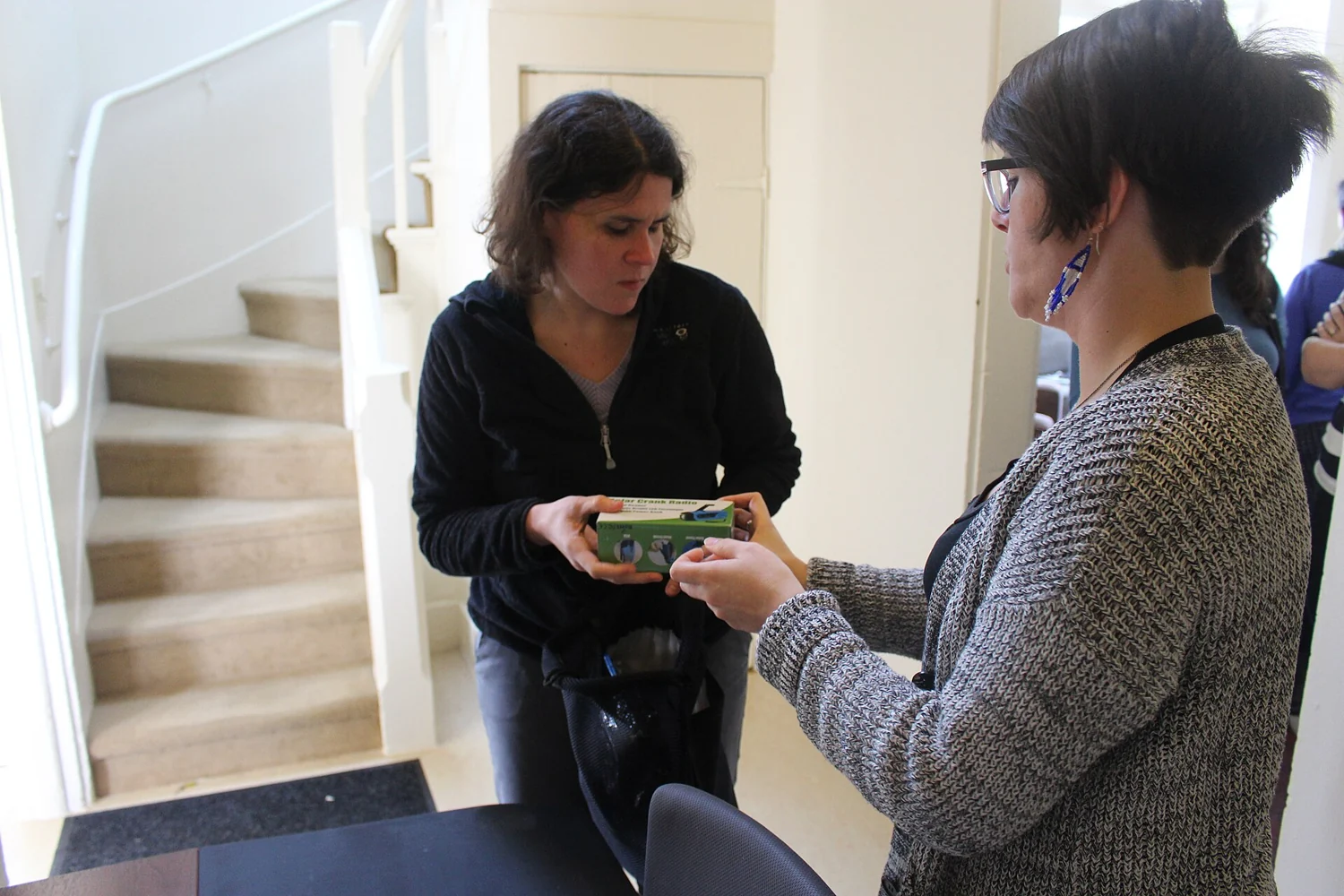
A battery-operated radio capable of receiving appropriate broadcasts can provide another source of information. Tune it at home before relying on it and record a station you can actually receive. An internet-only radio still depends on an internet connection.
Keep batteries or the correct charging equipment with it. Learn the controls now, including how to change between available modes. Ask a household member to find a station without your help.
Understand what an emergency call can do
Government guidance says a 999 call may use another available mobile network when your own is unavailable. This does not mean a call can connect when there is no working network signal at all.
If broadband is working but the mobile network is not, Wi-Fi calling may be an option where your phone and service support it and it is enabled. Check that arrangement in advance. During an incident, follow official instructions and avoid unnecessary travel simply to obtain a signal.
Keep the phone charged, reduce unnecessary use and use the paper information when needed. The aim is to remove a few critical dependencies from the device you normally use for everything.
Sources
Government Prepare: phone and broadband outages
Government Prepare: household contacts and meeting arrangements