A long equipment list can make preparing look more expensive than it needs to be. Start with the things that would cause a problem tonight: missing medicine, no drinking water, no working light or no way to charge the phone.
Separate those gaps from the equipment that would simply be pleasant to own. This gives you an order to buy in and a stopping point for each purchase.
First, check before buying
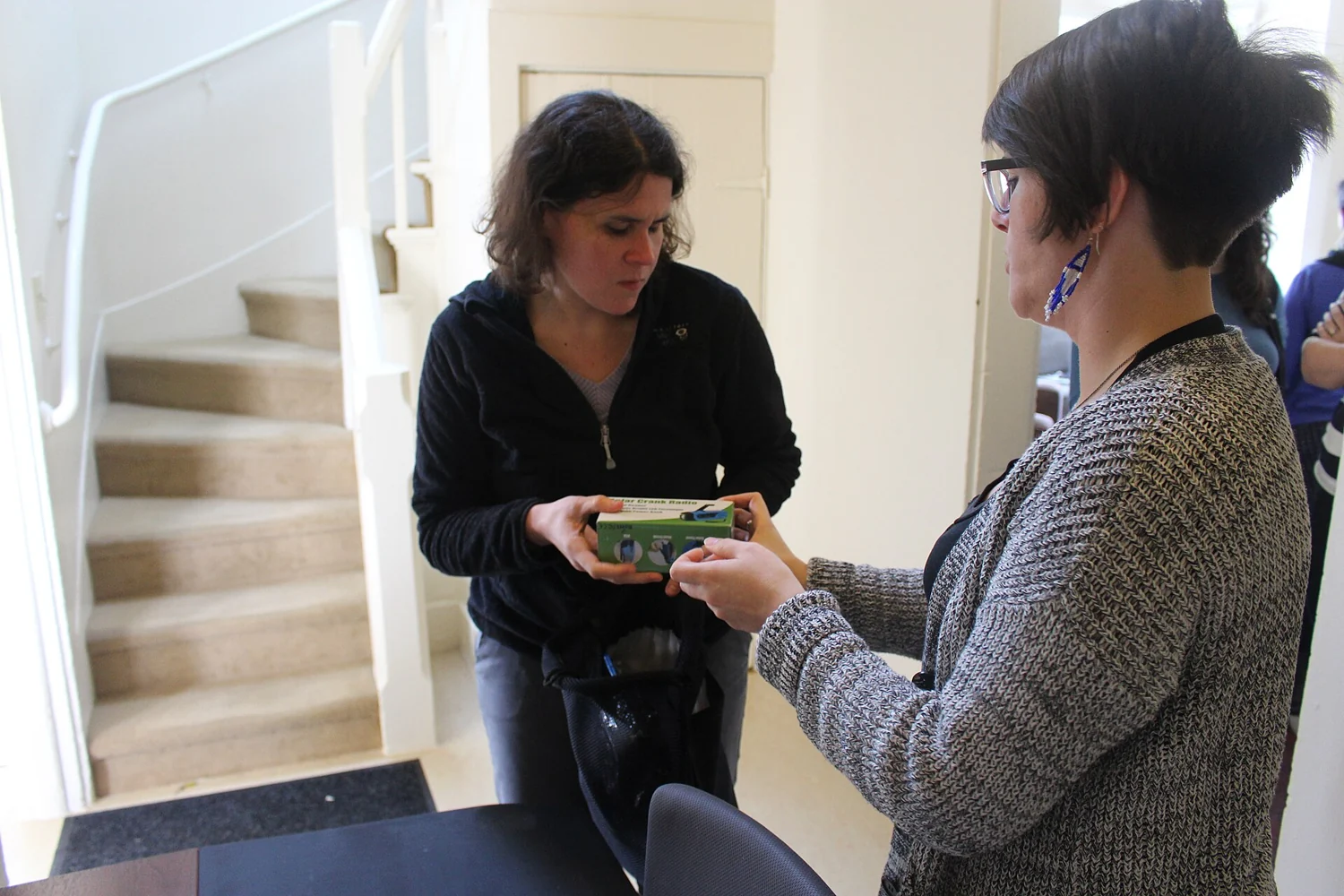
Gather the useful items already in the house. Test torches, chargers and batteries. Check food labels and count complete meals. Look at the supplies needed by children, pets and anyone receiving care.
Make three short columns: ready to use, needs attention and missing. A rechargeable light in the second column may only need a cable and a regular charging check. Buying another one before checking would not solve the underlying problem.
Put each ready item in an agreed location. Equipment that is available in theory but lost in a drawer still needs attention.
Make the first purchases do everyday work
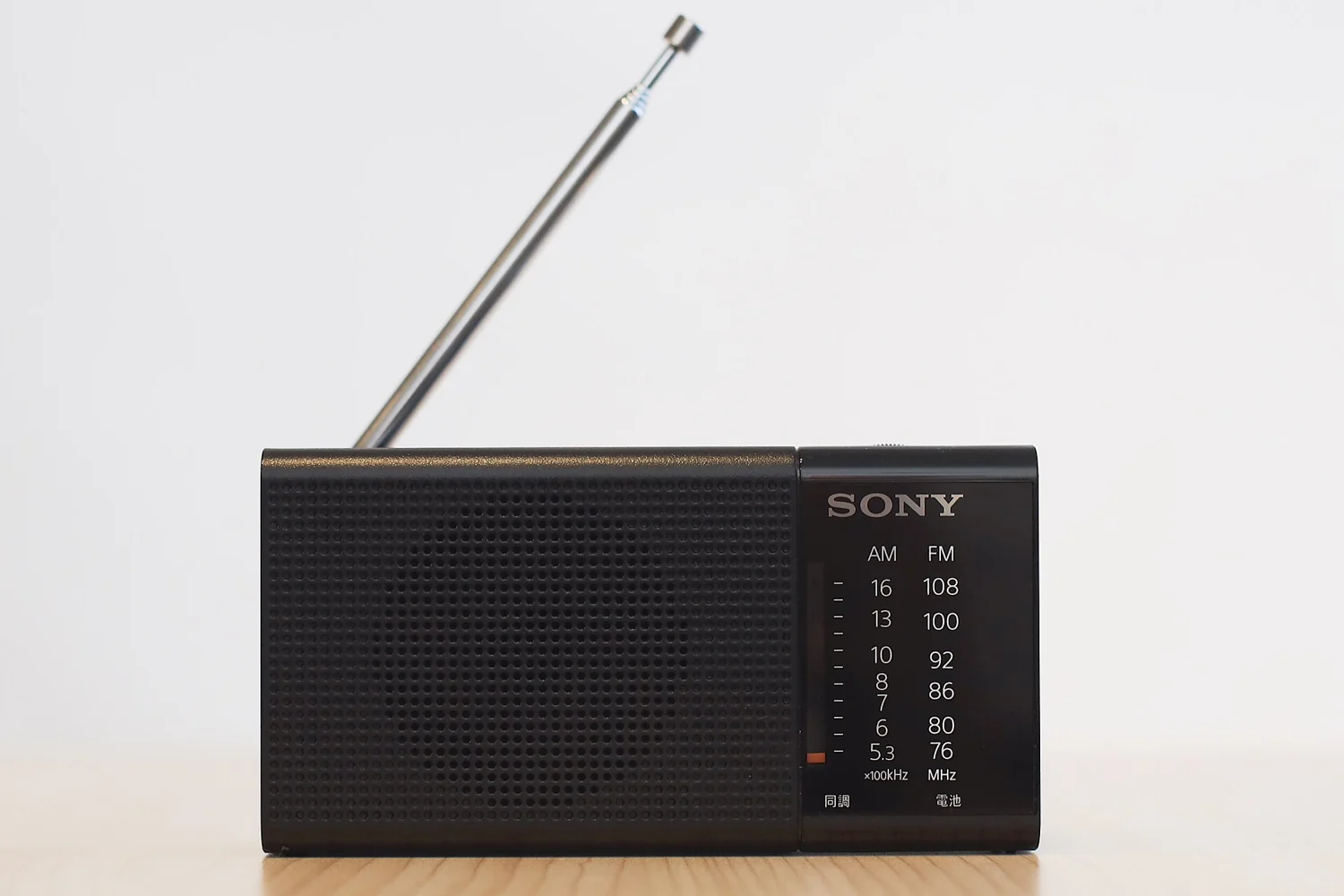
Choose items that will be used and maintained: suitable bottled water, familiar shelf-stable food, a light that suits the room and a charger that fits the phone. Add replacements to ordinary shopping when you use supplies.
If money is tight, choose a small achievable stock level and increase it gradually. Government preparedness advice explicitly supports building supplies over time rather than buying everything together.
Avoid buying a large quantity of an unfamiliar product. Try the food, check the container and use the light before committing more money or storage space.
Complete one useful task at a time
A sensible first target is serving one meal and spending an evening safely at home during a power cut. Another is having an appropriate drinking-water reserve. Complete the missing parts of those arrangements before opening several more projects.
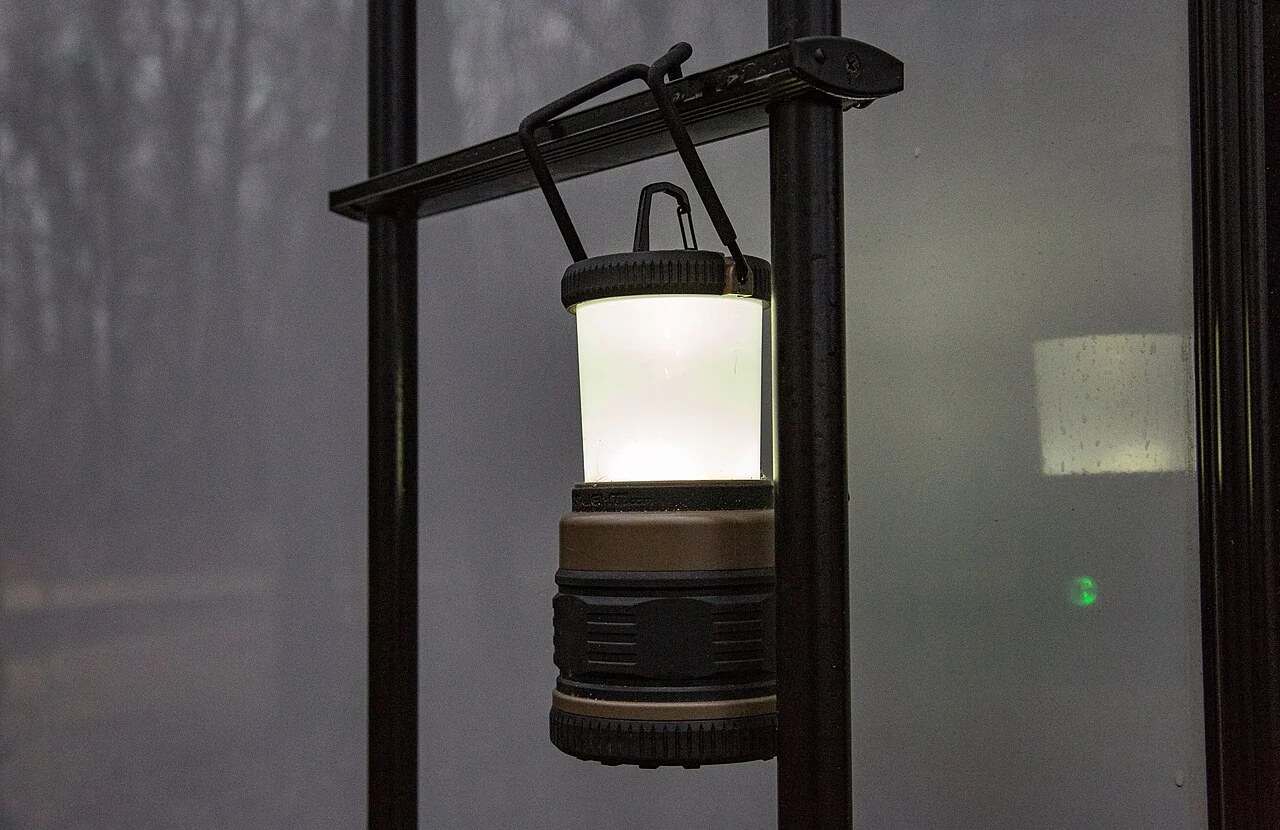
For example, a lantern, batteries and a fixed storage place form a usable setup. The lantern without the batteries is unfinished. A water container too heavy for its user introduces another problem to solve.
Write down what “finished” means for the item. This keeps preparation from turning into continuous browsing.
Put bigger equipment through a simple test
Before buying backup power, specialist water treatment or a large bag, ask:
- Which specific problem will this solve?
- What do I need alongside it to make it work?
- Where will it be stored, and who can use it?
- What charging, cleaning, fuel or replacement parts does it need?
- Is there a simpler way to meet the same need?
For a battery, the answer needs to include appliance compatibility and useful runtime. For a filter, it needs to include the hazards it addresses. If the answer is still unclear, research the task before choosing the product.
Keep a maintenance cost in mind
Some purchases create ongoing work: batteries to charge, fuel to store safely, filters to maintain or dates to check. Choose a collection you can realistically look after.
Review the kit after using it and when household circumstances change. Stop adding items when the intended jobs are covered. You can always expand later, but a small complete setup is easier to trust than a large unfinished one.
Sources
Government Prepare: building supplies gradually