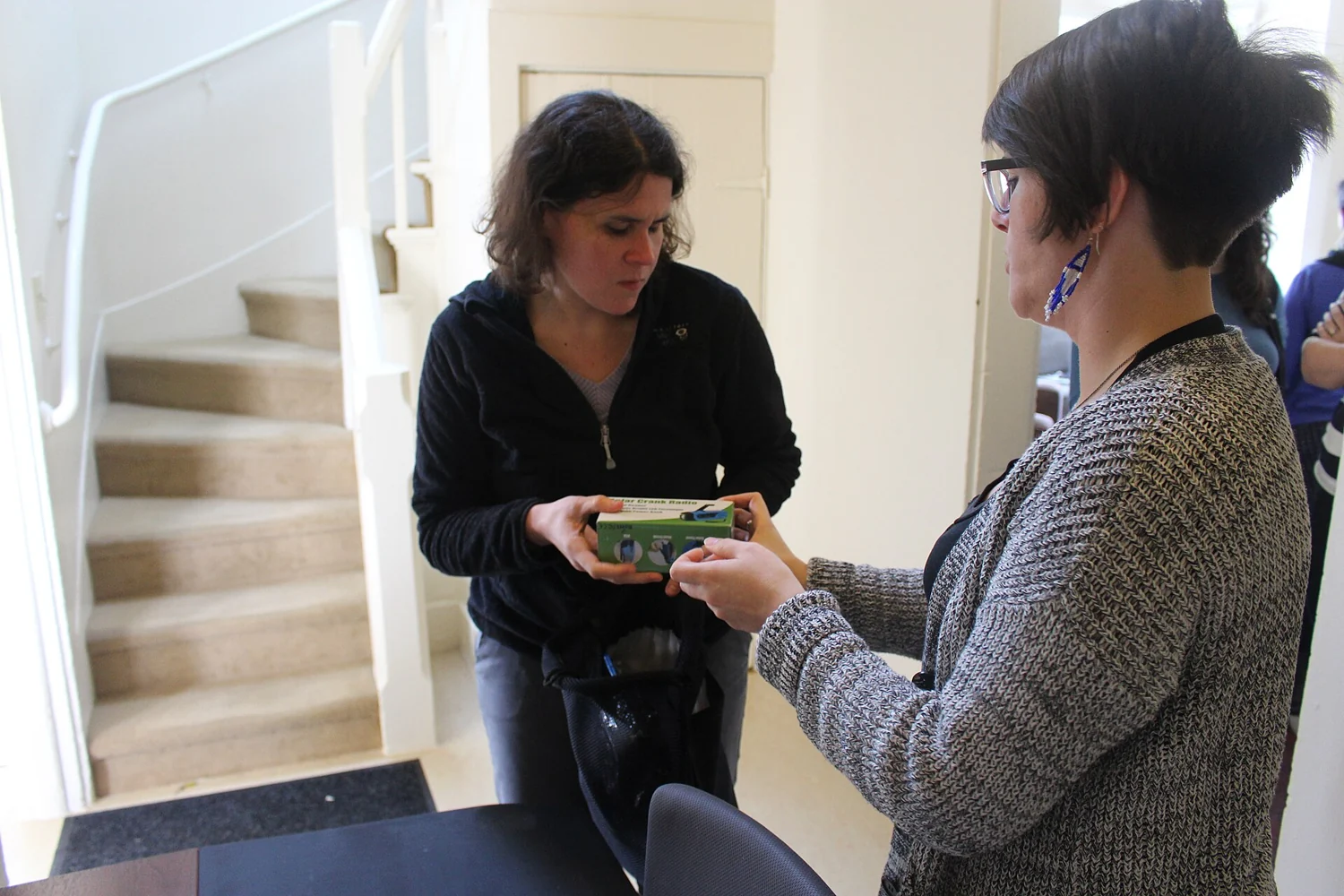
You do not need to buy a complete emergency kit before you can make a useful start. Look around the house first. A working torch, a charged power bank, a few familiar meals and some drinking water already solve several of the problems a short disruption can create.
Use this weekend to find what you own, check that it works and fill the obvious gaps. Save larger purchases until you can explain the job they will do.
Start with an evening at home
Imagine the electricity going off at dinner time. Leave the mains power on while you work through it: this is a planning exercise, not a reason to interrupt equipment anyone depends on.
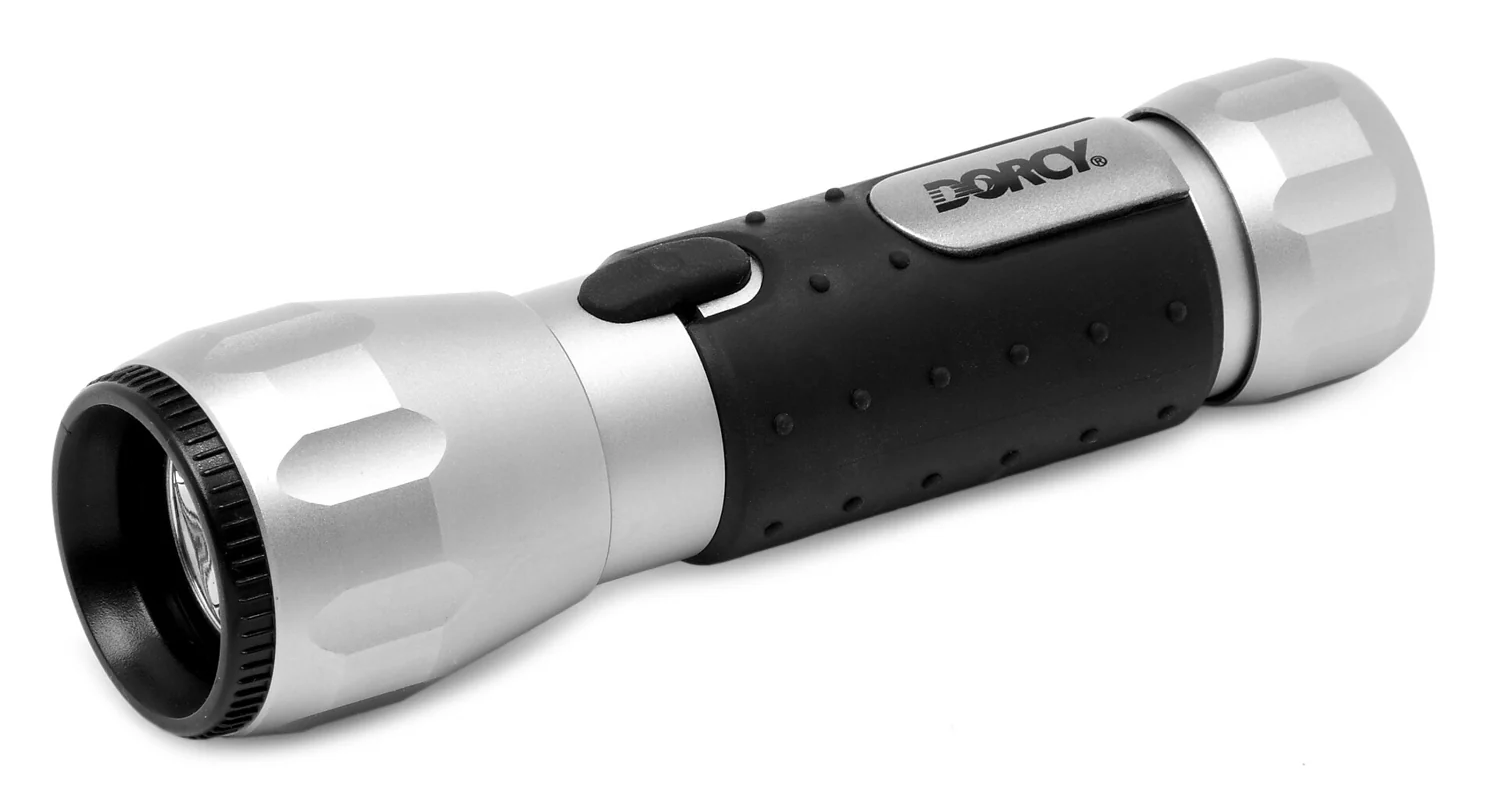
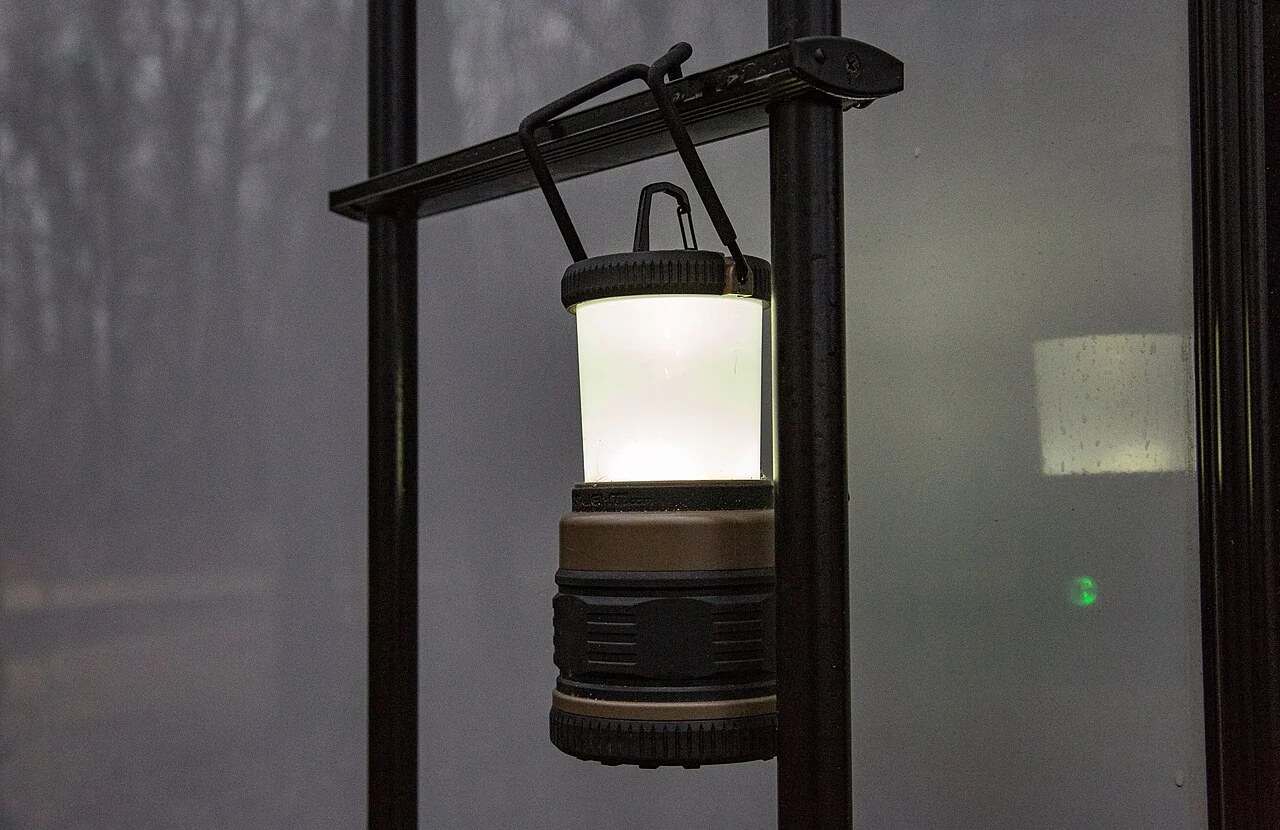
Find the torch and try it. Put the lantern on the table. Check that the power bank charges your actual phone with the cable beside it. Choose a meal you can serve without the oven, hob or fridge.
If you cannot find something, give it a fixed place. If it is flat, charge it. If the meal needs an ingredient or opener you do not have, add that to the next shopping list. These are useful improvements before you spend much money.
Add drinking water and familiar meals
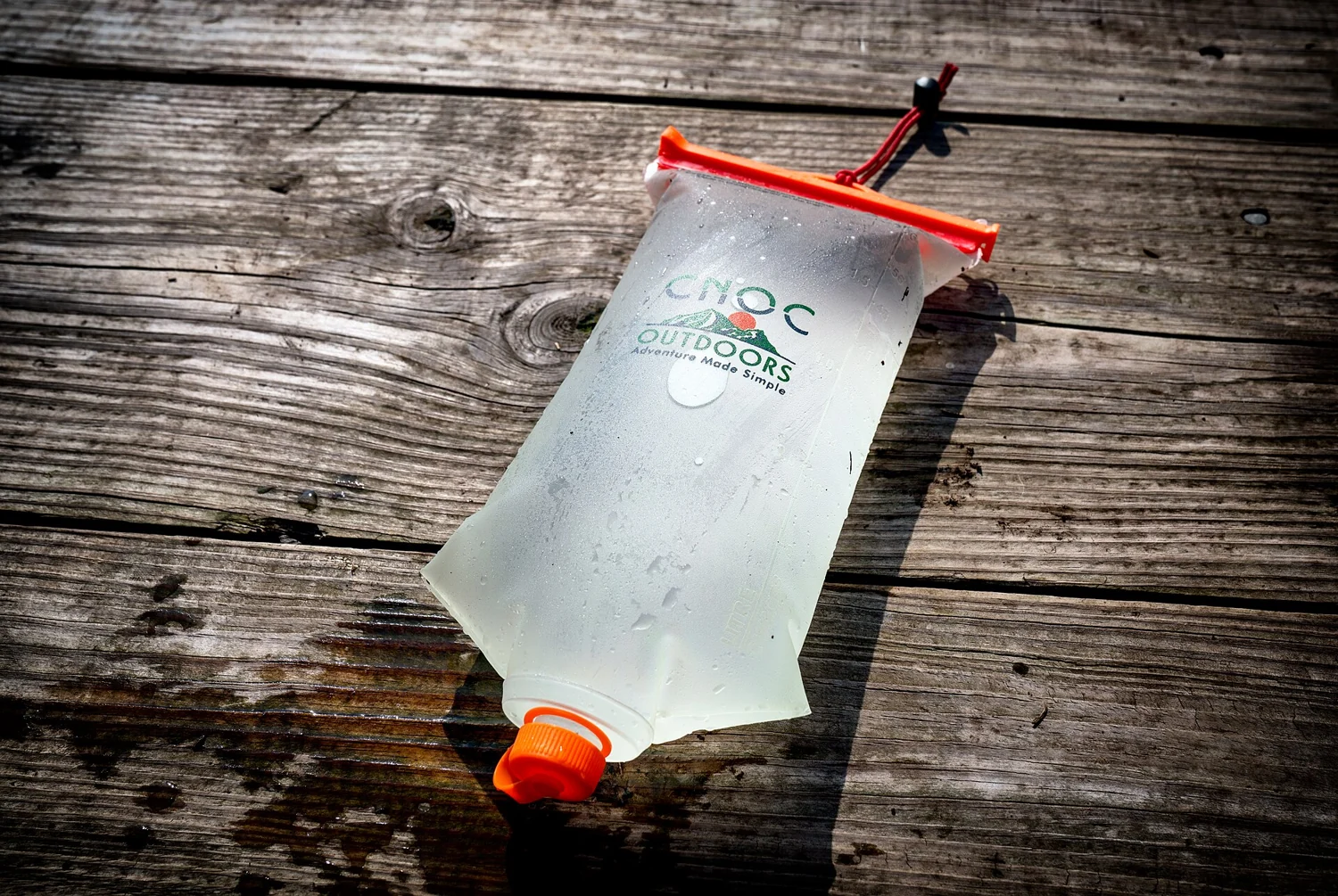
Choose a manageable first reserve of sealed drinking water and shelf-stable food your household already eats. Ready Scotland includes three days of food and bottled water in its suggested home kit. Use that as an initial planning horizon, then adjust for your household and local circumstances.
Work out portions and water quantities rather than counting packages. A large tin may provide several portions, while a pack of crackers may disappear in one lunch. The separate water guide explains how to calculate drinking needs and why cooking and hygiene need additional thought.
Work out your emergency water reserve
Store supplies where the people using them can reach them. In a small flat, several suitable cupboard spaces may work better than one large bag. Keep a short list of what is stored and where.
Deal with the needs that cannot wait
Regular medicines, baby supplies, accessibility equipment and pet food belong in the first round of preparation. Check ordering dates, storage requirements and the supplies already on hand.
For powered medical equipment, speak to the care team and equipment provider about an outage plan. Ask utility companies about relevant additional-support registers. Work out who will help someone who cannot collect supplies or leave home unaided.
Put useful information on paper
Write down household emergency contacts, the water supplier, electricity network operator and any essential care or repair contacts. Add an agreed meeting place if family members cannot contact one another.
Check local risks and warning services using the appropriate information for England, Scotland, Wales or Northern Ireland. An area that floods, a remote winter route and a city flat present different practical problems. Buy equipment to address the ones that apply to you.
Make a household emergency contact sheet
Finish with a short shopping list
By the end of the weekend, you should have a list of missing items with a reason beside each one. “Lantern so we can eat at the table” is specific. “More survival equipment” is not.
Buy the essentials at a pace you can manage, use the food through normal meals and replace supplies after use. Show the household where things are. The first goal is a more capable home, using arrangements people can understand without you explaining them during an emergency.
Sources
Ready Scotland: making an emergency kit