A contact sheet should answer the questions you might struggle to answer with a flat phone: who supplies the water, which pharmacy has the prescription and where the family agreed to meet.
Use the headings below to make your own short record. Keep it accessible to the household, but protect personal medical and account information. A photograph posted online should not reveal the completed sheet.
Household contacts and meeting places
Write down:
- Each household member’s name and phone number.
- Two trusted contacts outside the household.
- A nearby meeting place and an alternative elsewhere.
- Any agreed arrangement for checking on a neighbour or relative.
- School, childcare or care-provider contacts and collection arrangements.
Choose meeting places people recognise and can access. Ask the trusted contacts before putting them on the plan. Make it clear that children should follow their school’s arrangements rather than leaving a supervised place to meet a parent.
Essential services and repairs
Record the electricity network operator, water supplier, landlord or managing agent, and any important repair service. Include the address and postcode so a caller does not have to remember them under pressure.
For reporting a power cut, write 105 for England, Scotland and Wales, or 03457 643643 for Northern Ireland. Add the relevant incident-page address if someone can use the internet.
Keep insurance and cover references securely if you need them. You do not need to put every password or financial detail on a sheet intended to be easy to find.
Health and care information
Include the usual GP and pharmacy numbers, essential equipment-provider contacts and the location of current medicine information. If someone has an agreed outage or care plan, state where it is kept and who needs to act.
Use the local urgent-care arrangements for the part of the UK you are in. For immediate danger or a life-threatening emergency, call 999. A routine supplier or repair number is not the right route for that situation.
Local warnings and reliable updates
Keep the council’s emergency information and appropriate flood-warning information available. Government Prepare links to the services for all four UK nations, including the Environment Agency in England, Natural Resources Wales, SEPA in Scotland and information through nidirect in Northern Ireland.
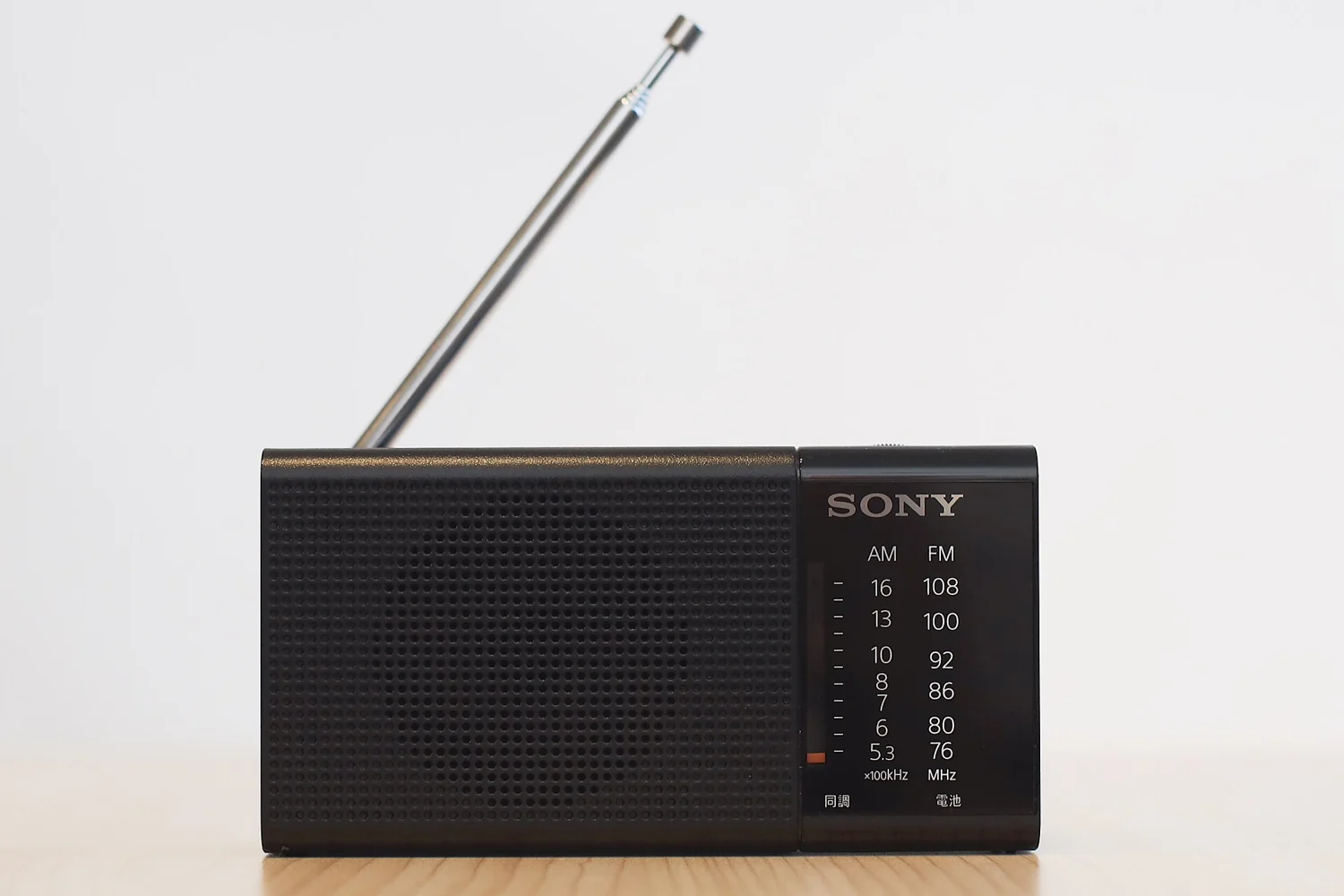
Add the weather-warning source you actually use and a local radio station you can receive on the household radio. Check that the frequency or mode works before writing it down.
Supplies and leaving home
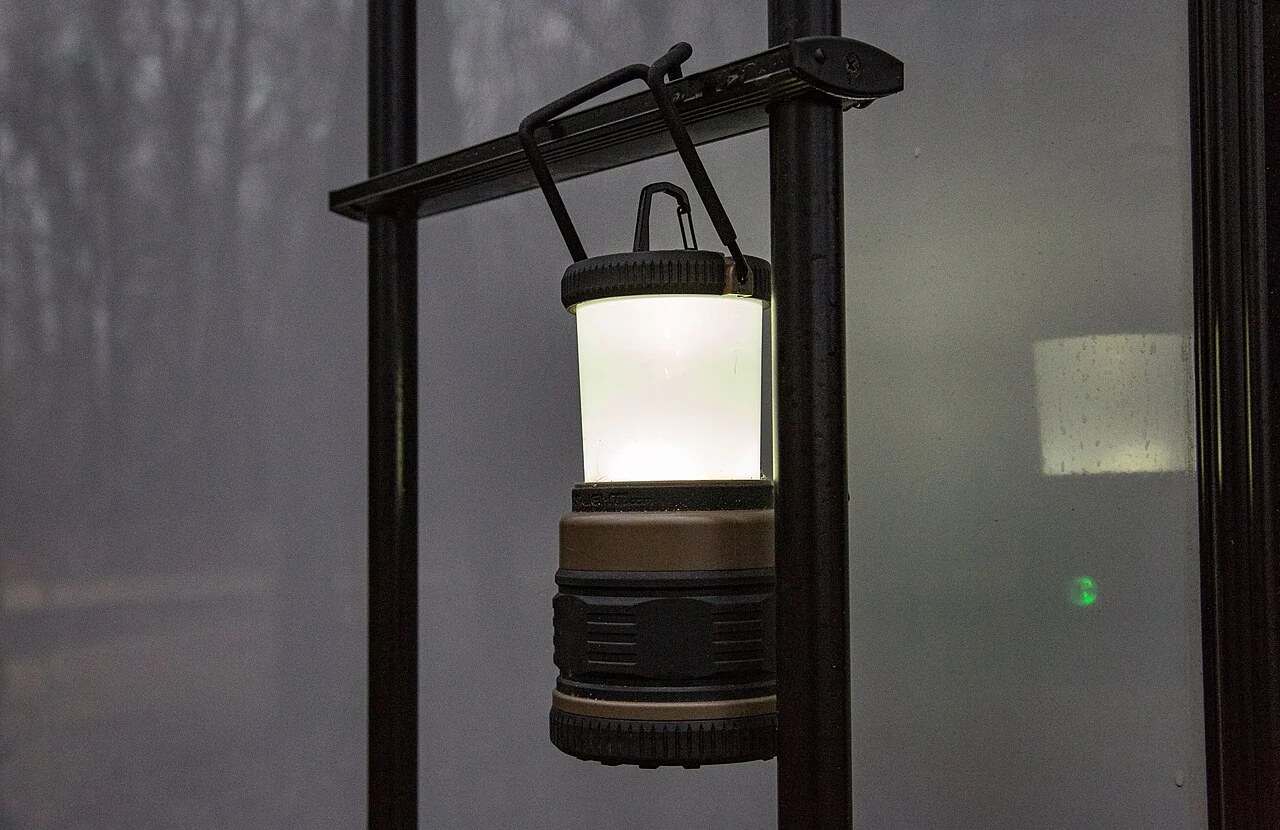
State where the lights, charging equipment, drinking water and first-aid kit are kept. If you might have to leave because of an incident, record a suitable destination, transport and any pet or accessibility arrangements.
Follow emergency instructions about staying indoors or leaving. In a fire, get out, stay out and call 999; do not collect a bag or return for belongings.
Give it a practical check
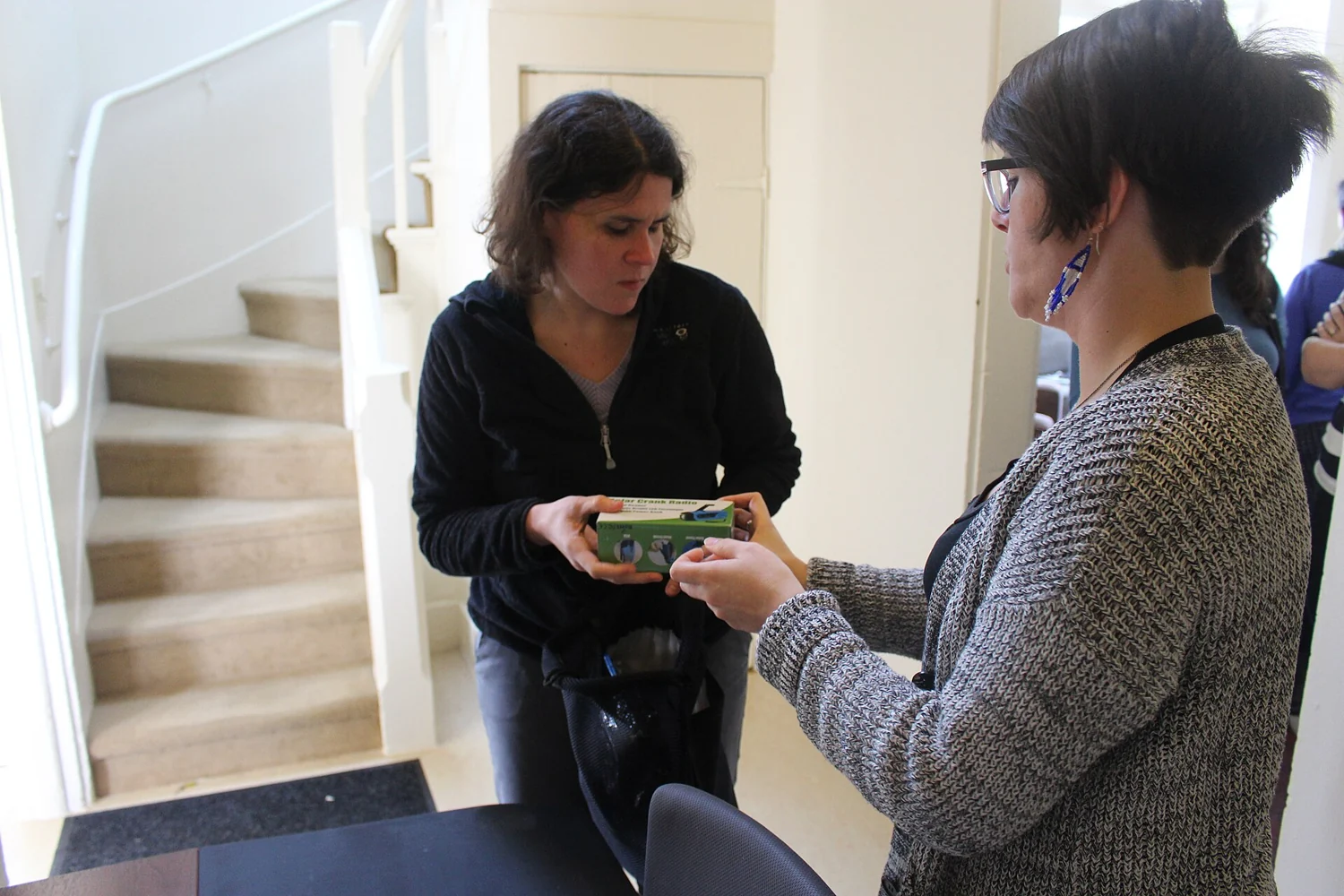
Ask another adult to find the sheet and use it to locate the torch, the pharmacy number and the alternative meeting place. Correct anything confusing. Check numbers against official information without making test calls to emergency services.
Date the sheet and review it after a change of phone number, school, care arrangement or supplier. Keep supporting details separately if they make the main page difficult to read. The sheet needs to work quickly for the person who did not write it.
Sources
Government Prepare: household planning