All guides
Guides and checklists for a more prepared household.
Start prepping: a practical first weekend for a UK household
Cover lighting, drinking water, familiar food and essential contacts, then build on what your household actually needs.
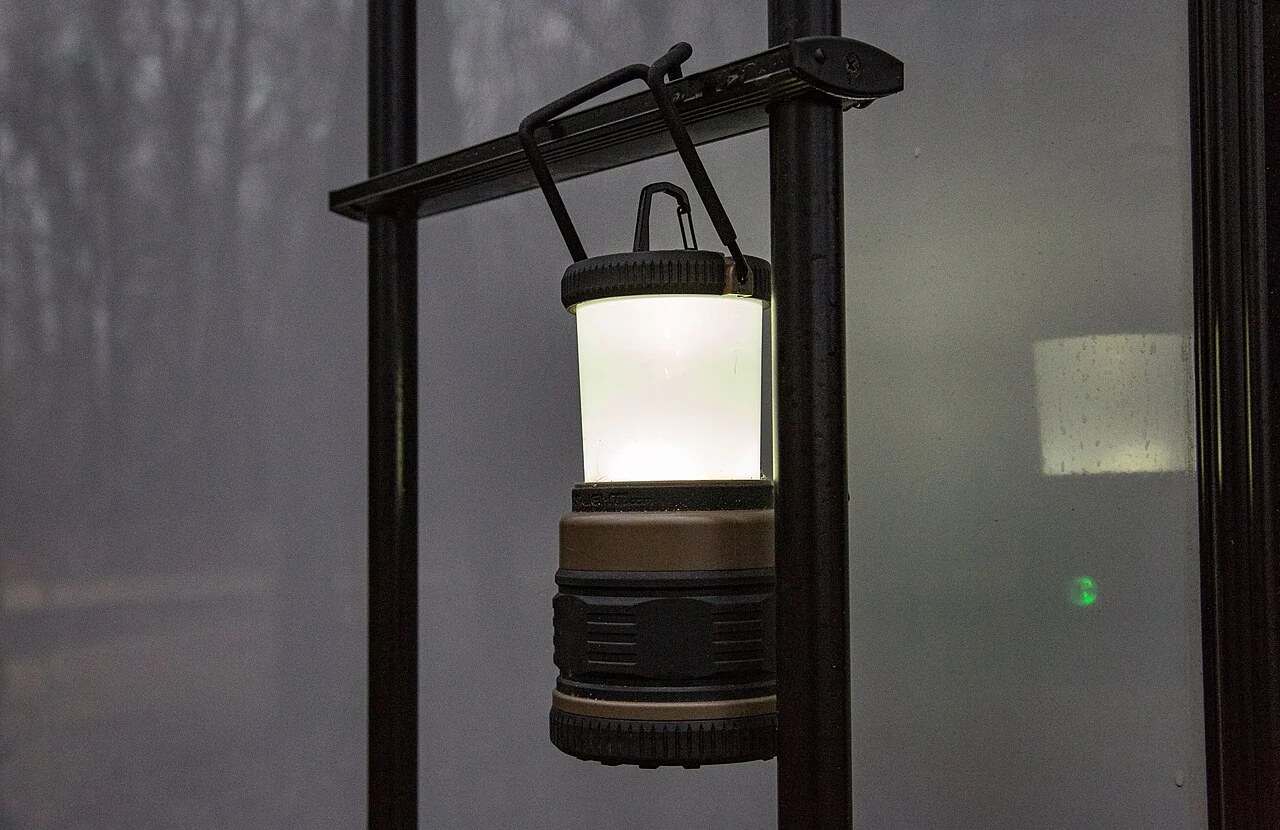
Preparing for a power cut: what you actually need at home
Lighting, phone charging, an easy meal and reliable information: cover the essentials before spending money on larger backup systems.
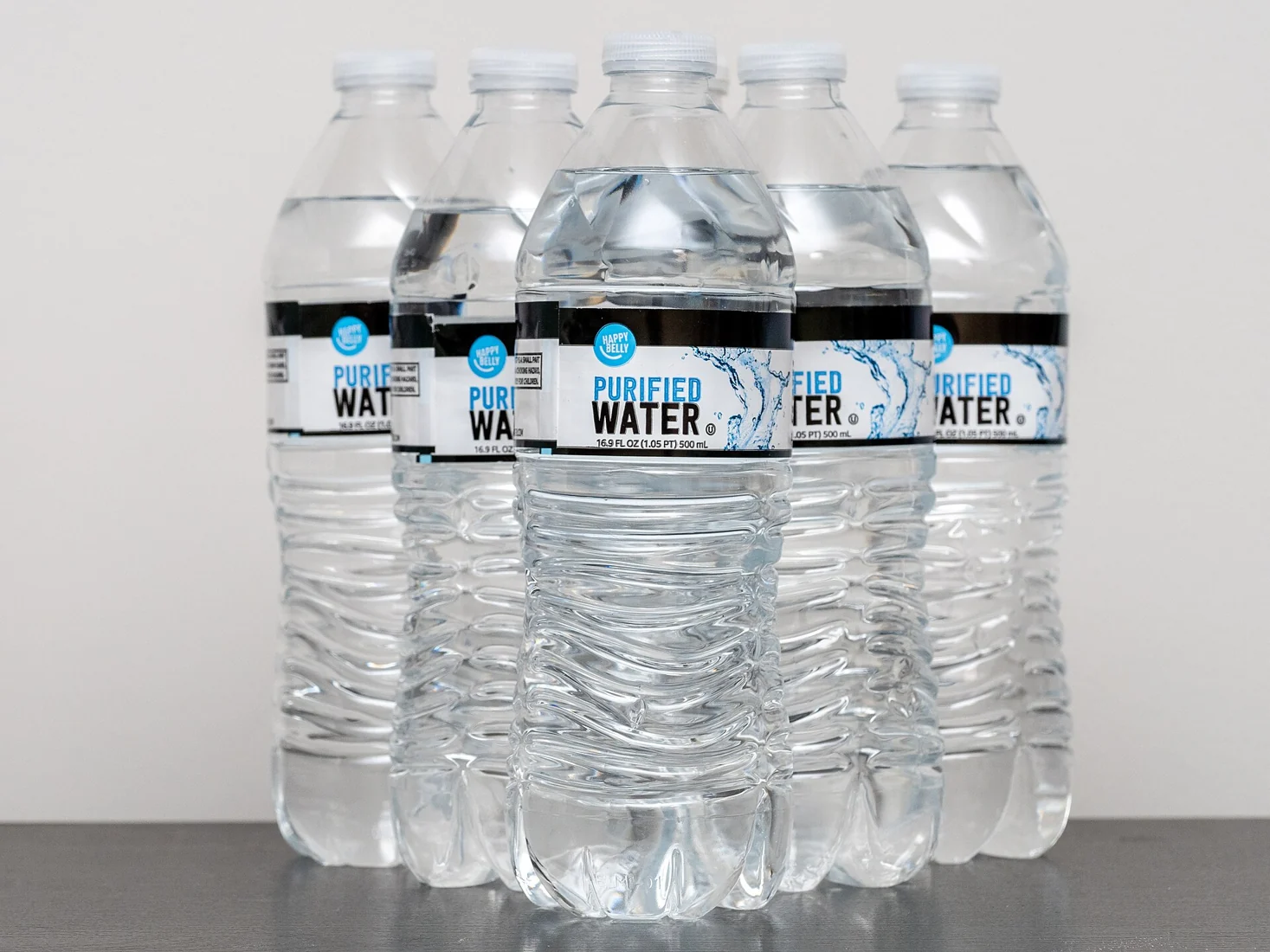
Emergency water: how much should you keep at home?
Calculate your household’s drinking-water reserve, find manageable storage and know where to get help during an outage.
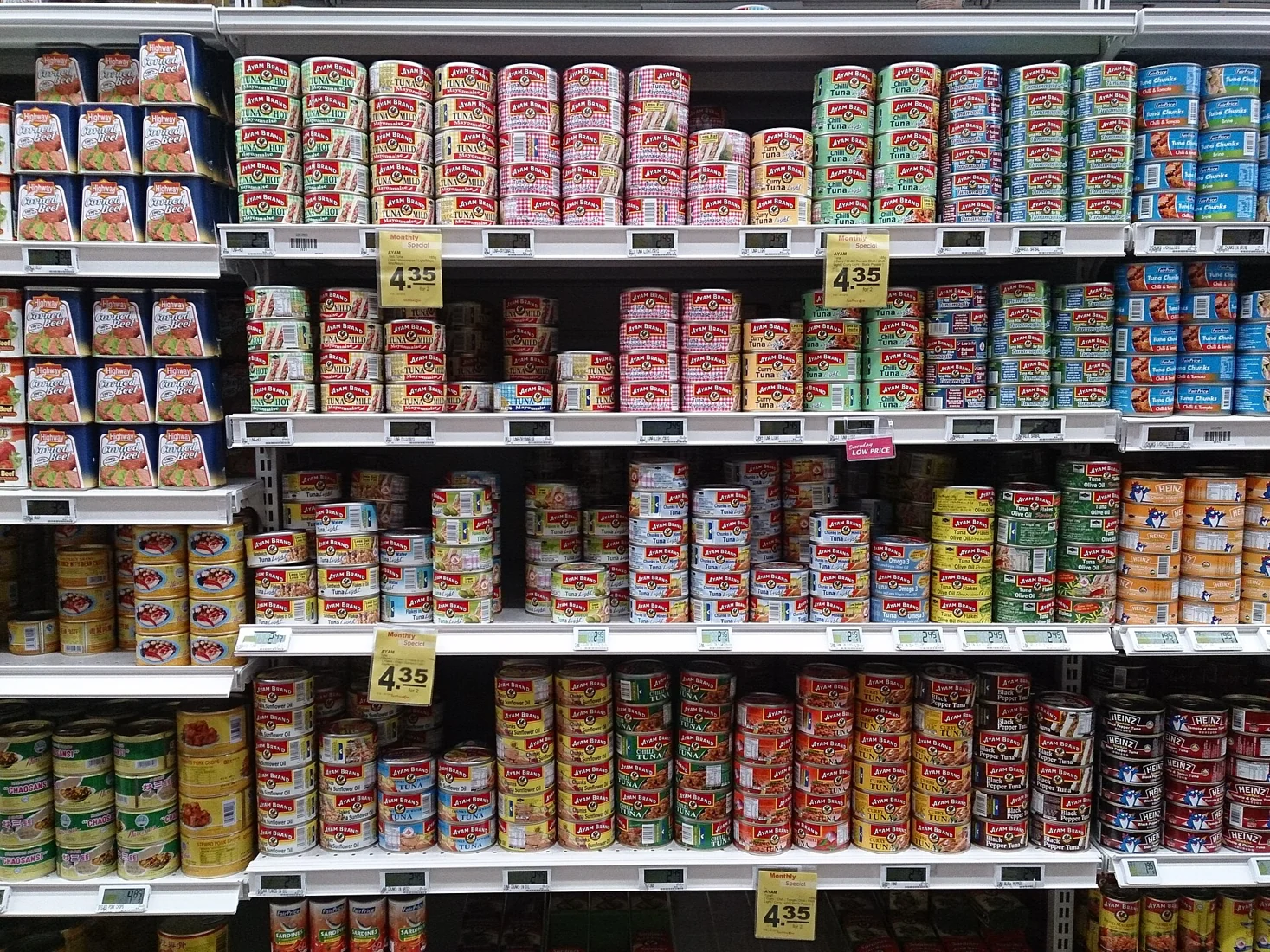
Build an emergency food cupboard you will actually use
Use ordinary supermarket food to put together complete meals, including options for a day without electricity.
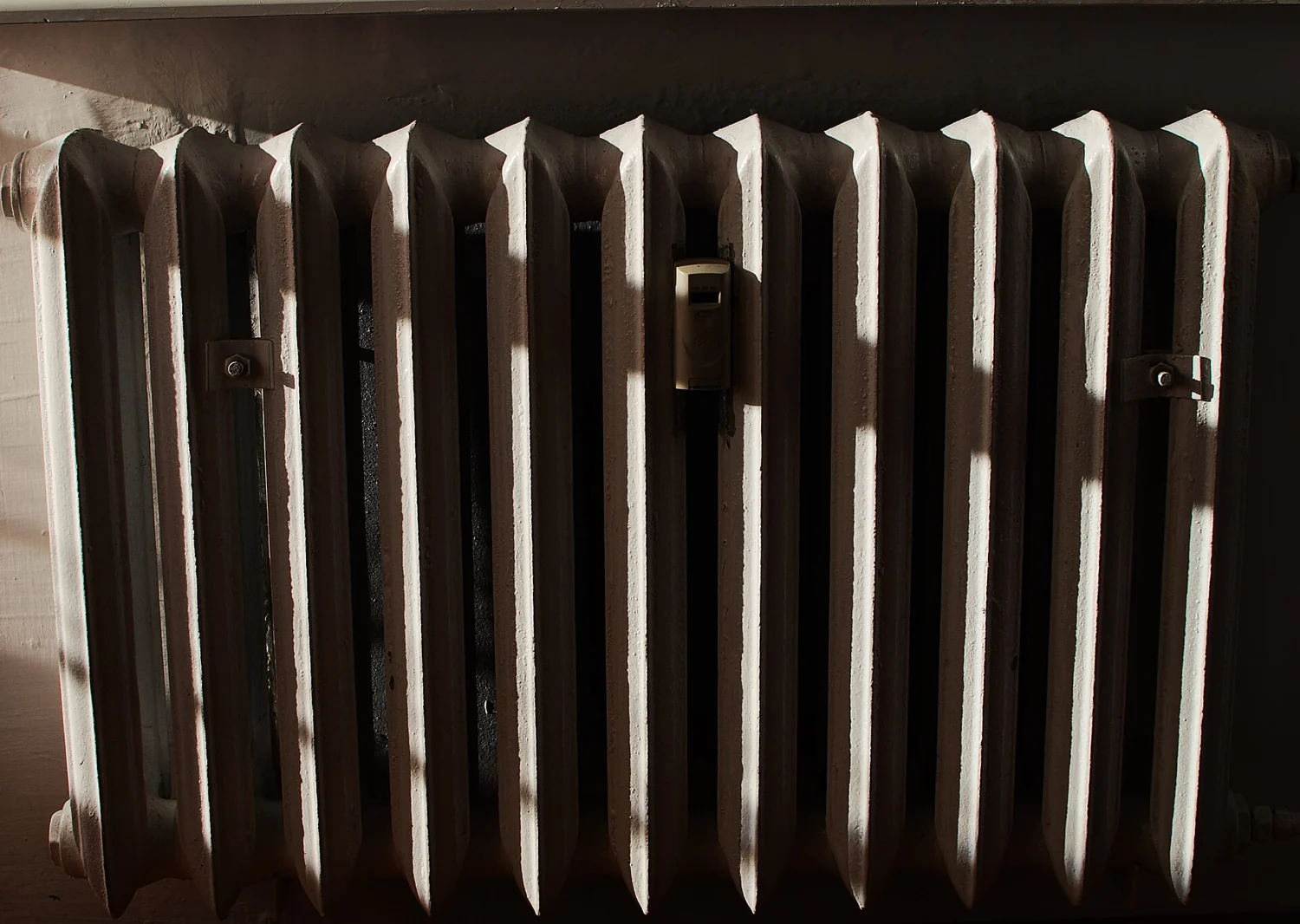
Keeping warm when your heating stops working
Prepare accessible clothing and bedding, check room temperature and know when to arrange a warmer place to stay.
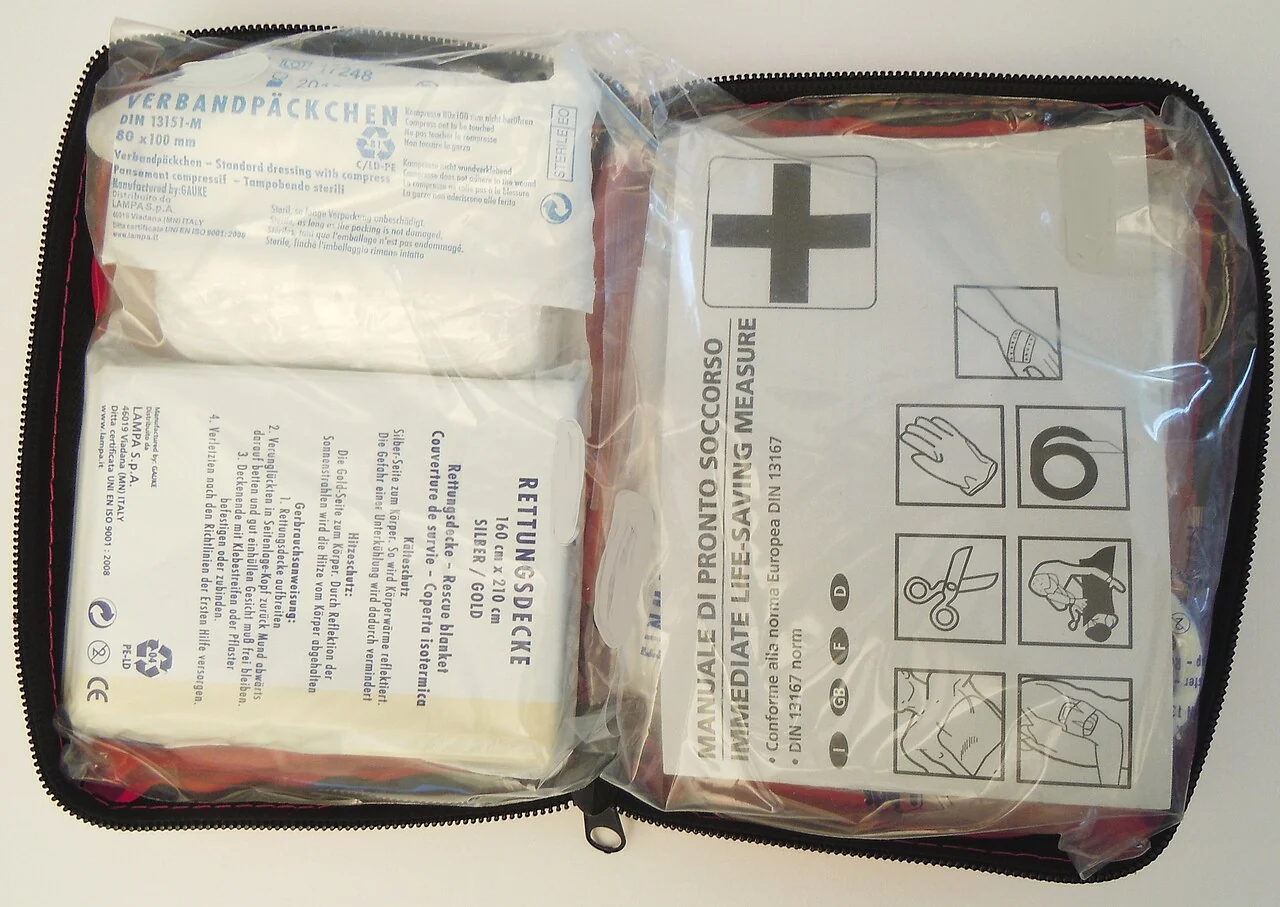
A first-aid kit that is useful when you open it
Choose understandable supplies, check sterile packaging and keep the instructions and contacts you would need alongside them.
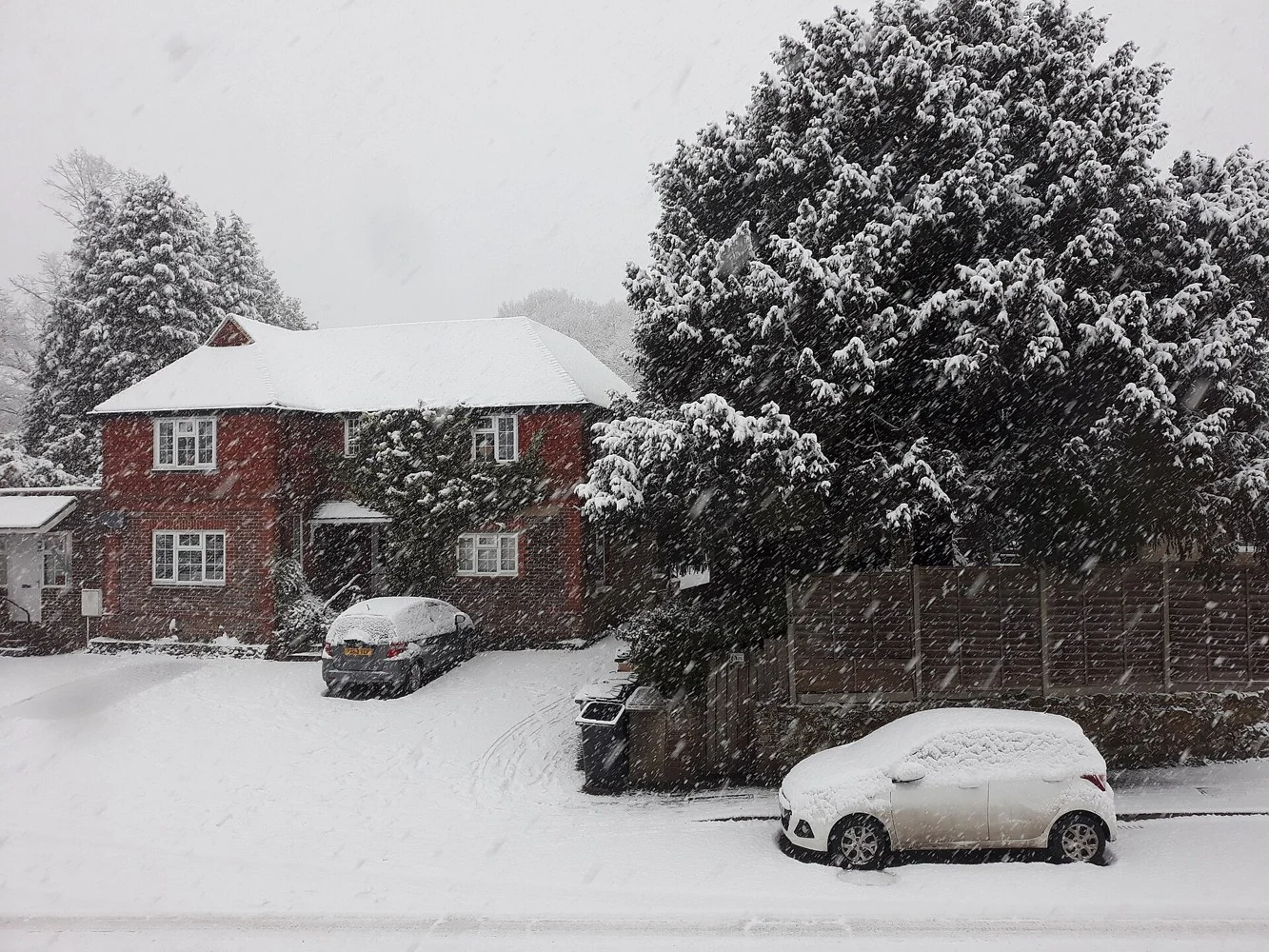
A car emergency kit for everyday UK journeys
Pack useful supplies for a roadside wait, keep urgent items within reach and know what to do on a motorway.

Your household emergency contact sheet
Write down the information you would need without internet access, then agree a few clear arrangements with the people involved.
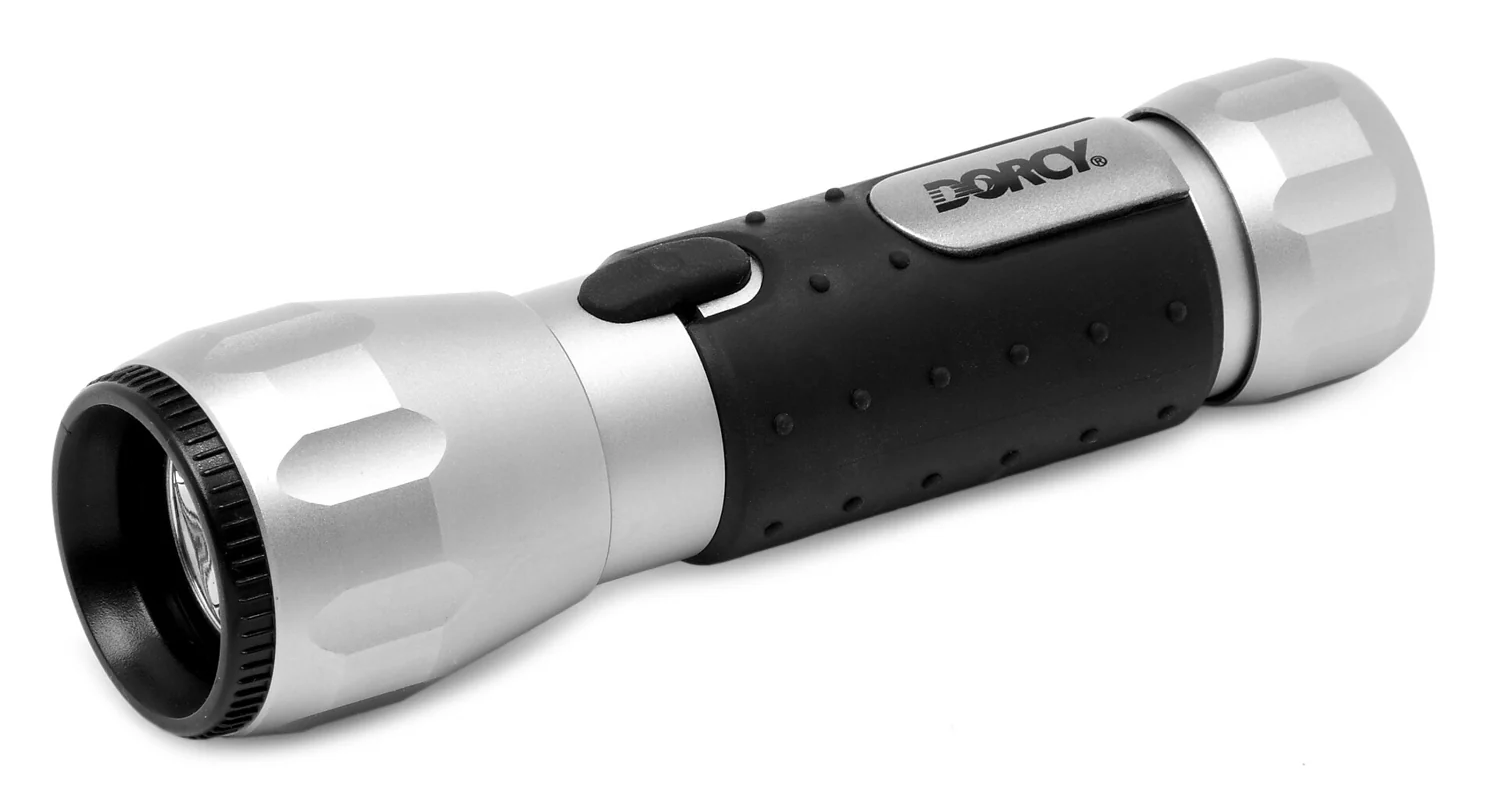
Emergency lighting: choosing torches, lanterns and batteries
Choose the right light for each job, understand runtime claims and avoid a cupboard full of incompatible batteries.
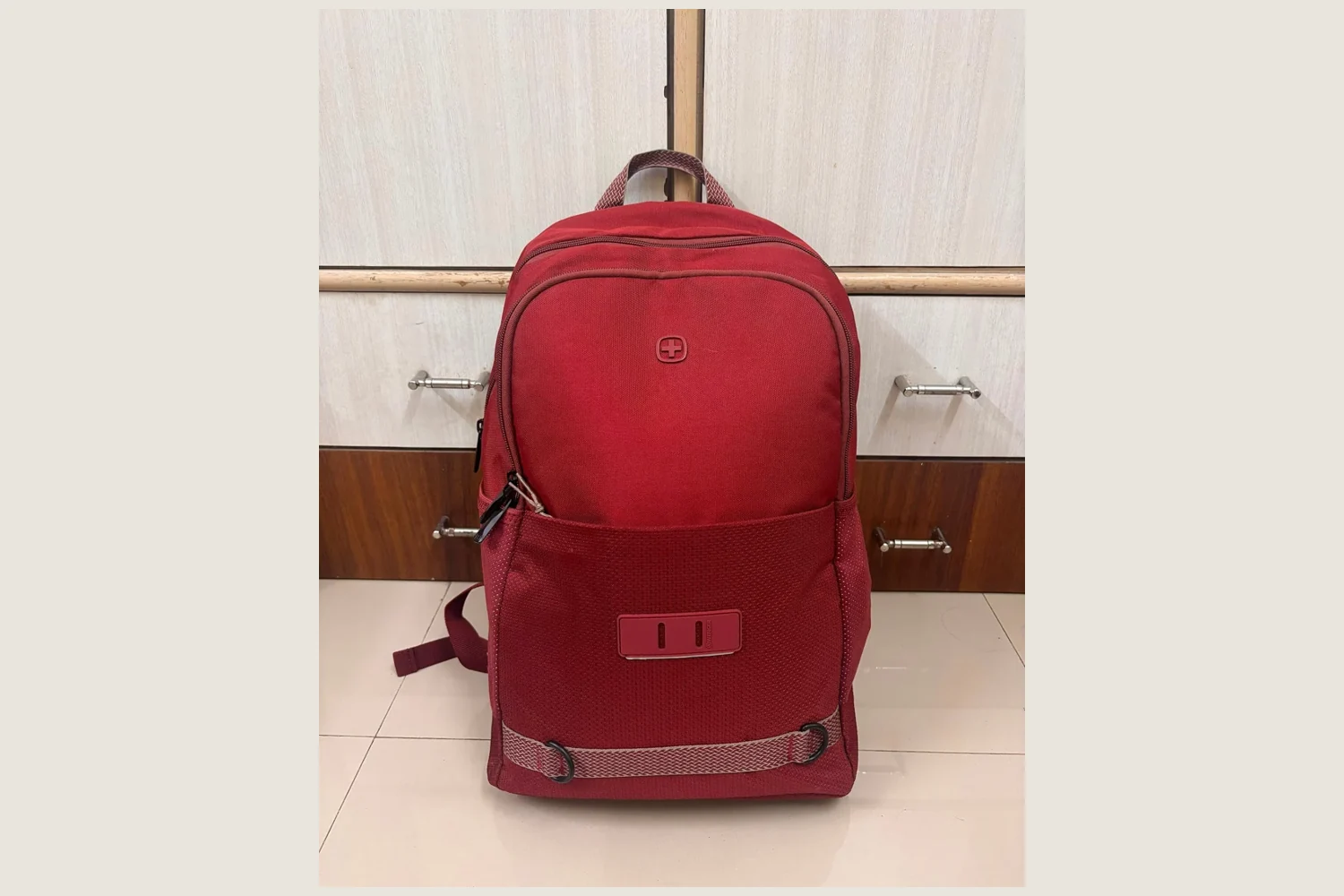
A get-home bag for a disrupted UK commute
Carry what helps with a cancelled train, a wet walk or an unexpected wait, without turning the daily journey into an expedition.
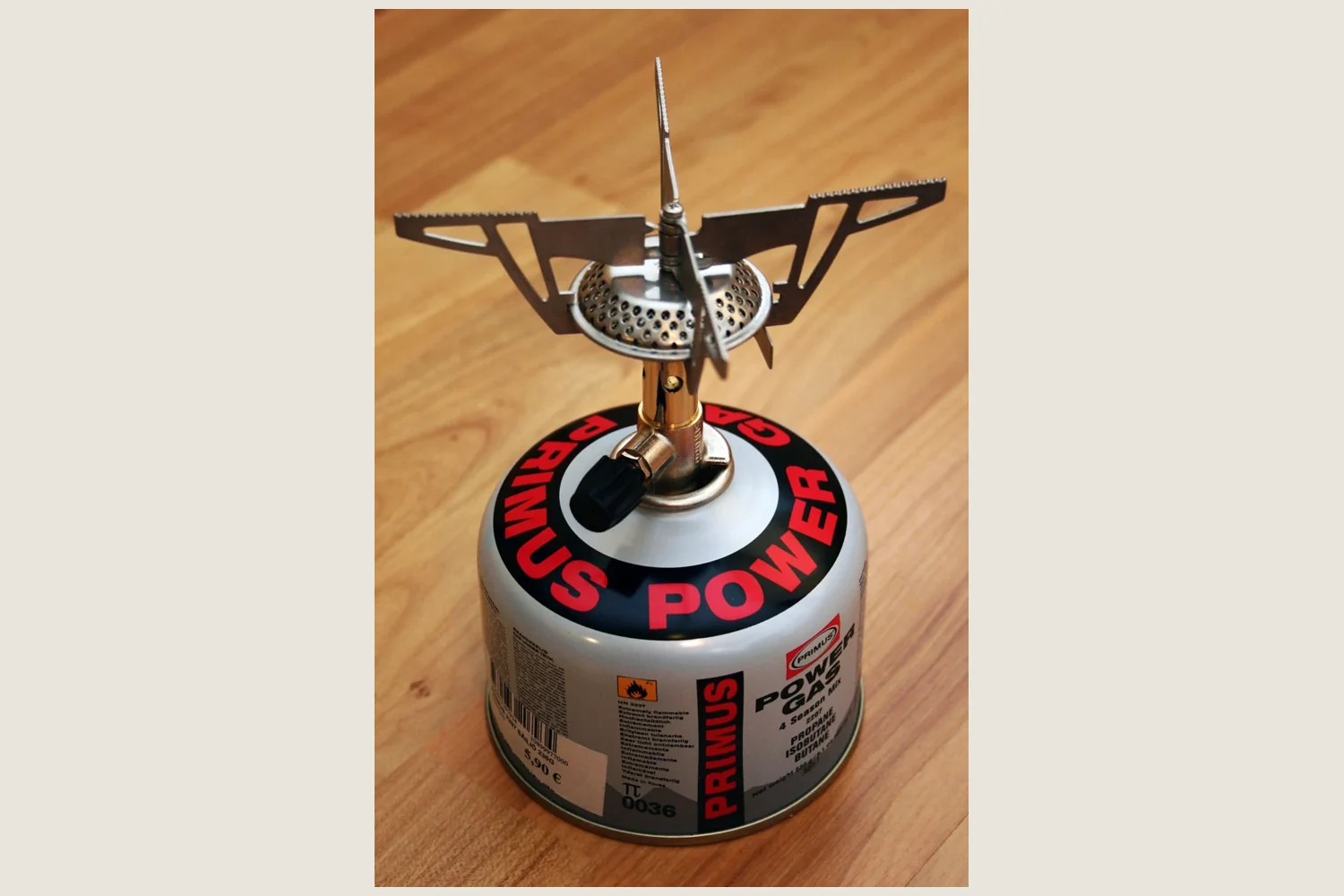
Cooking during a power cut: choose a safe, workable option
Start with a meal that needs no heat, then decide whether you have the space, equipment and fuel for suitable outdoor cooking.

Water filters: what they remove—and what they do not
A camping filter can have a useful role, but “filtered” does not automatically mean safe. Match the device to the problem before buying.
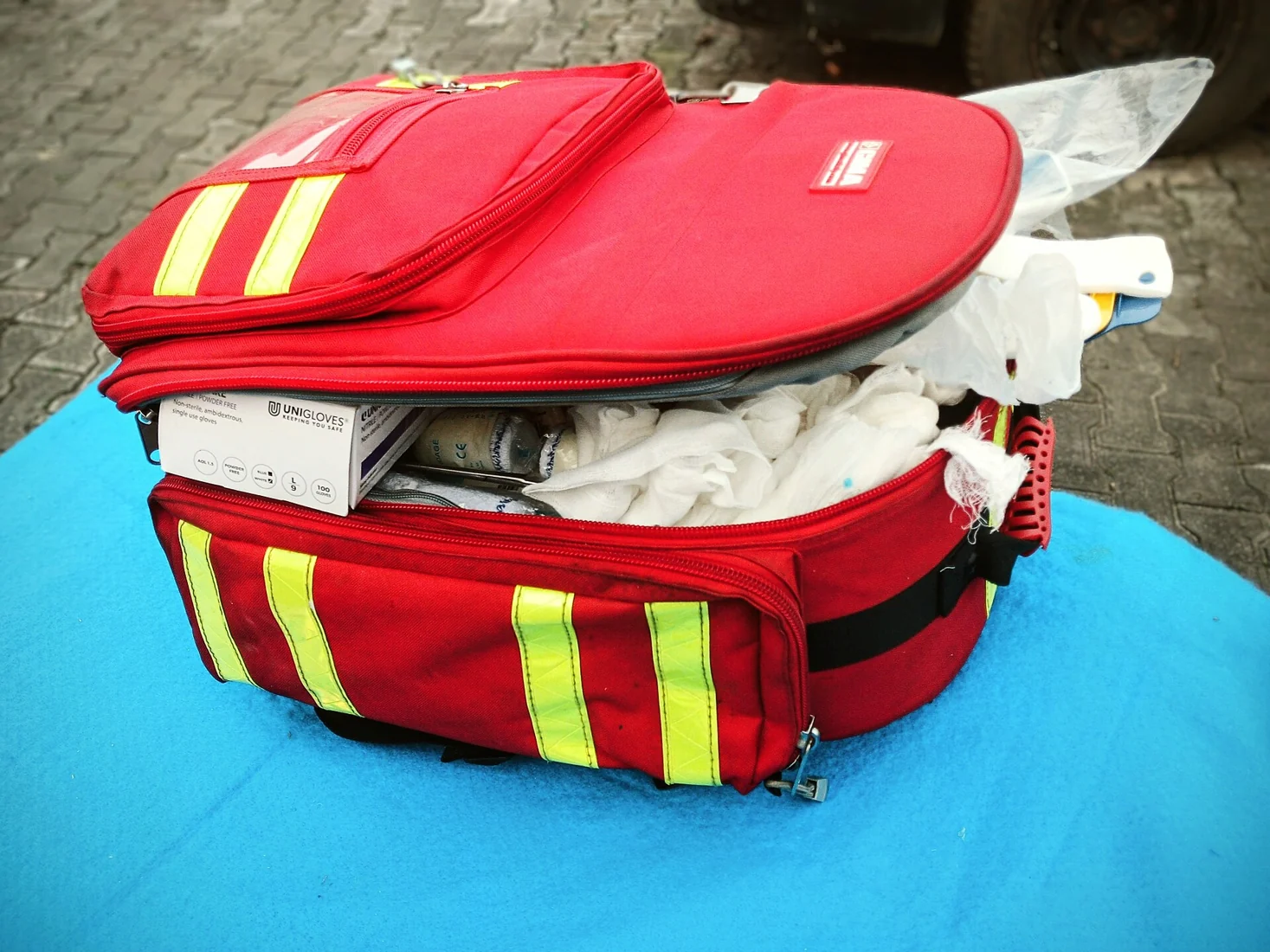
Medicines and hygiene: the supplies households often overlook
Check repeat prescriptions, individual care needs and everyday hygiene products before adding more general emergency equipment.
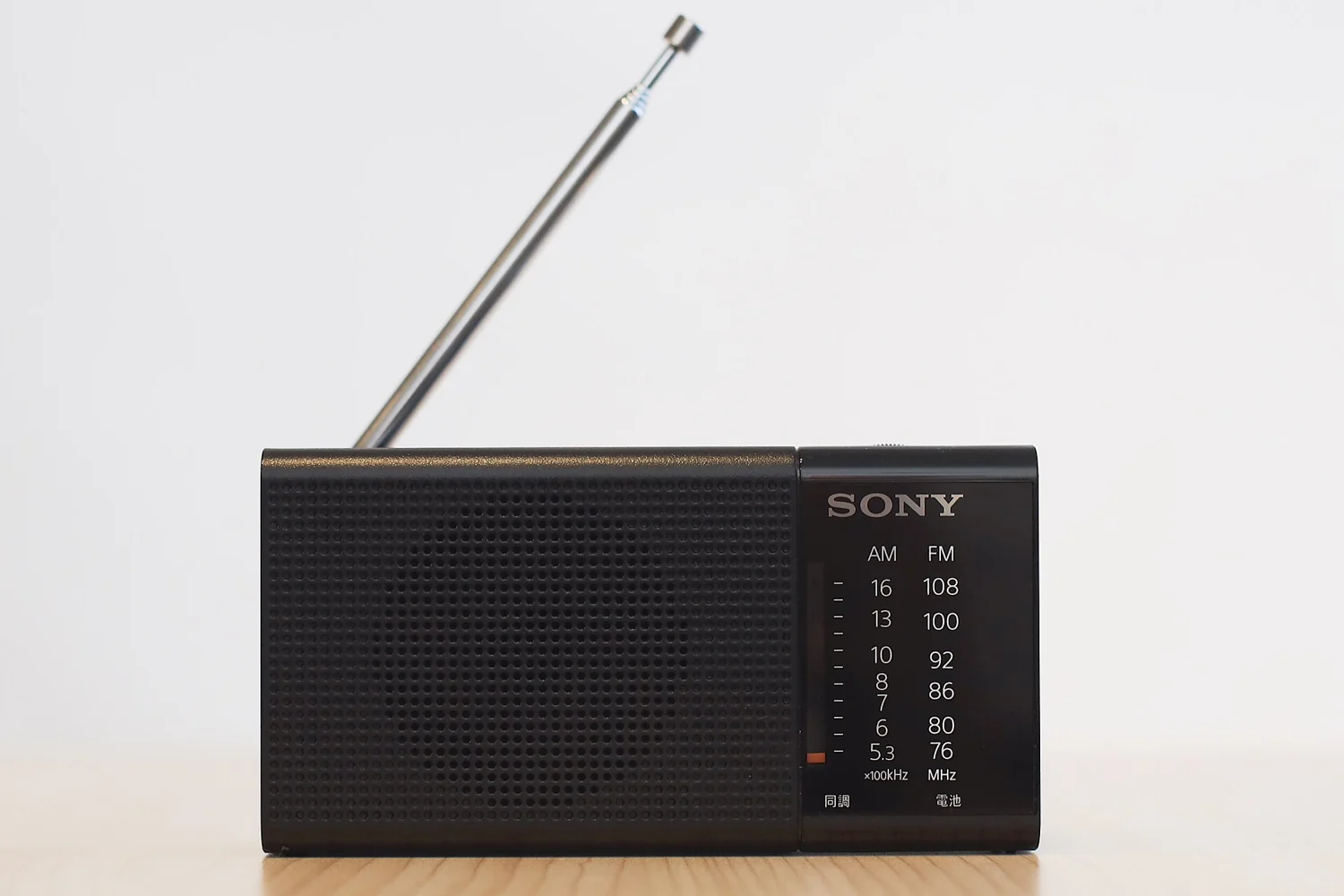
Staying in touch when phones or broadband stop working
Keep contacts and maps available offline, understand your landline and agree what the household should do without messages.
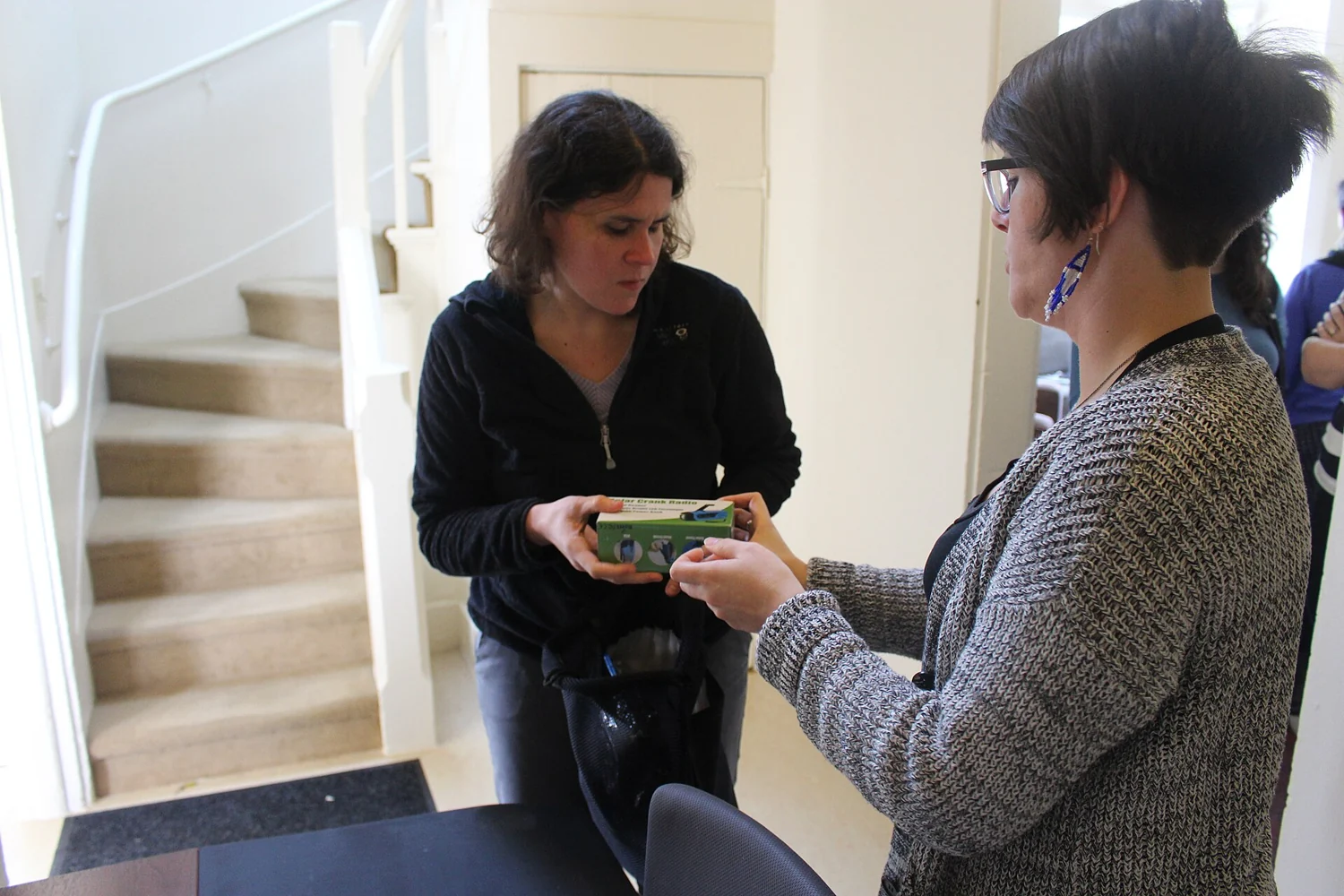
Build an emergency kit without buying everything at once
Prioritise the gaps that matter, use equipment you already own and add supplies through ordinary shopping.

Winter car kit: what to add before cold-weather journeys
Check the car, pack accessible warmth and visibility supplies, and adjust the equipment to the roads you expect to use.
Keep your emergency food fresh with a simple rotation system
Make the reserve part of normal meals, understand date labels and stop opened packs or forgotten tins becoming waste.
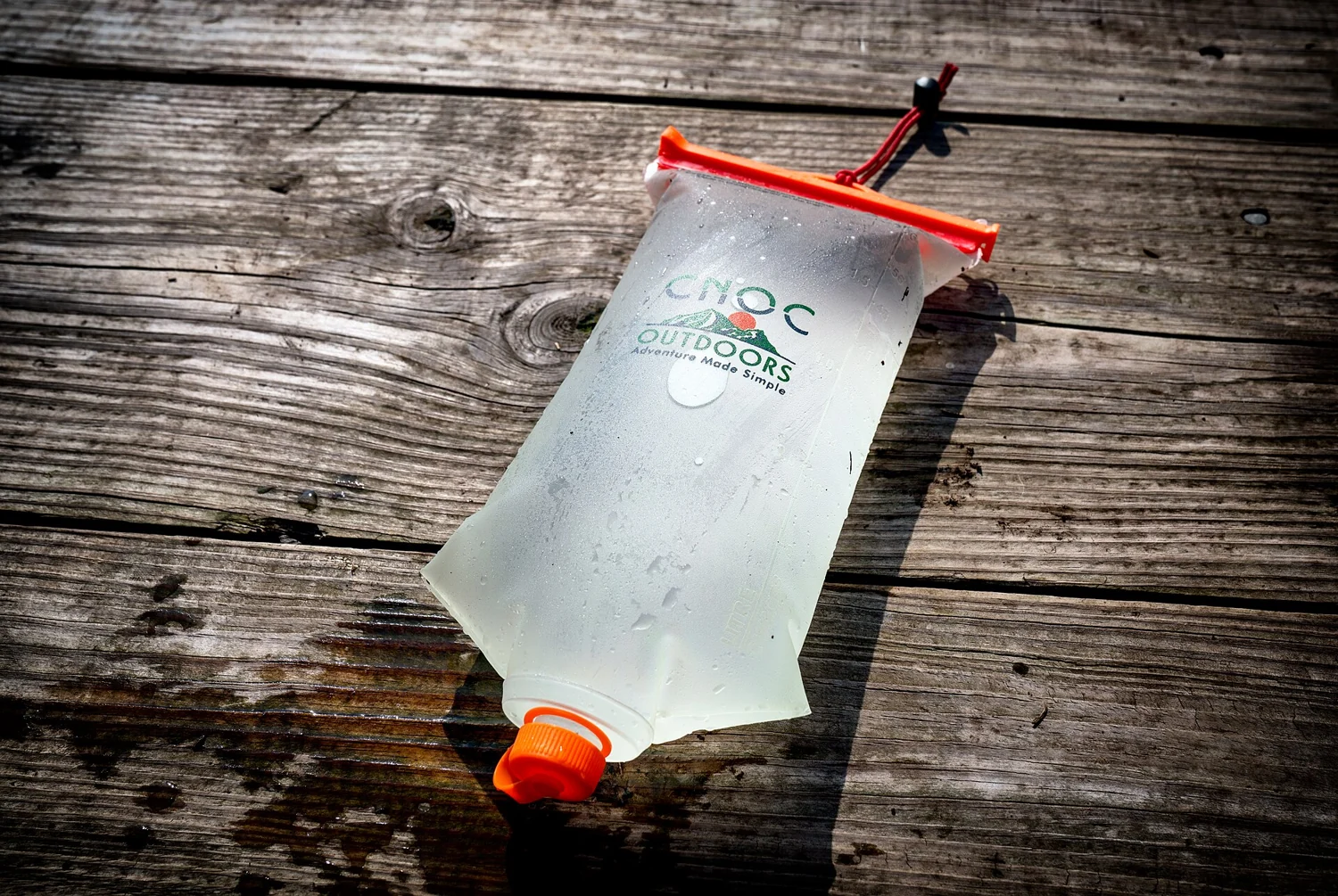
Choosing water containers you can lift, clean and pour
The right size and opening can matter more than capacity. Here is how to choose a practical container for collecting and using drinking water.
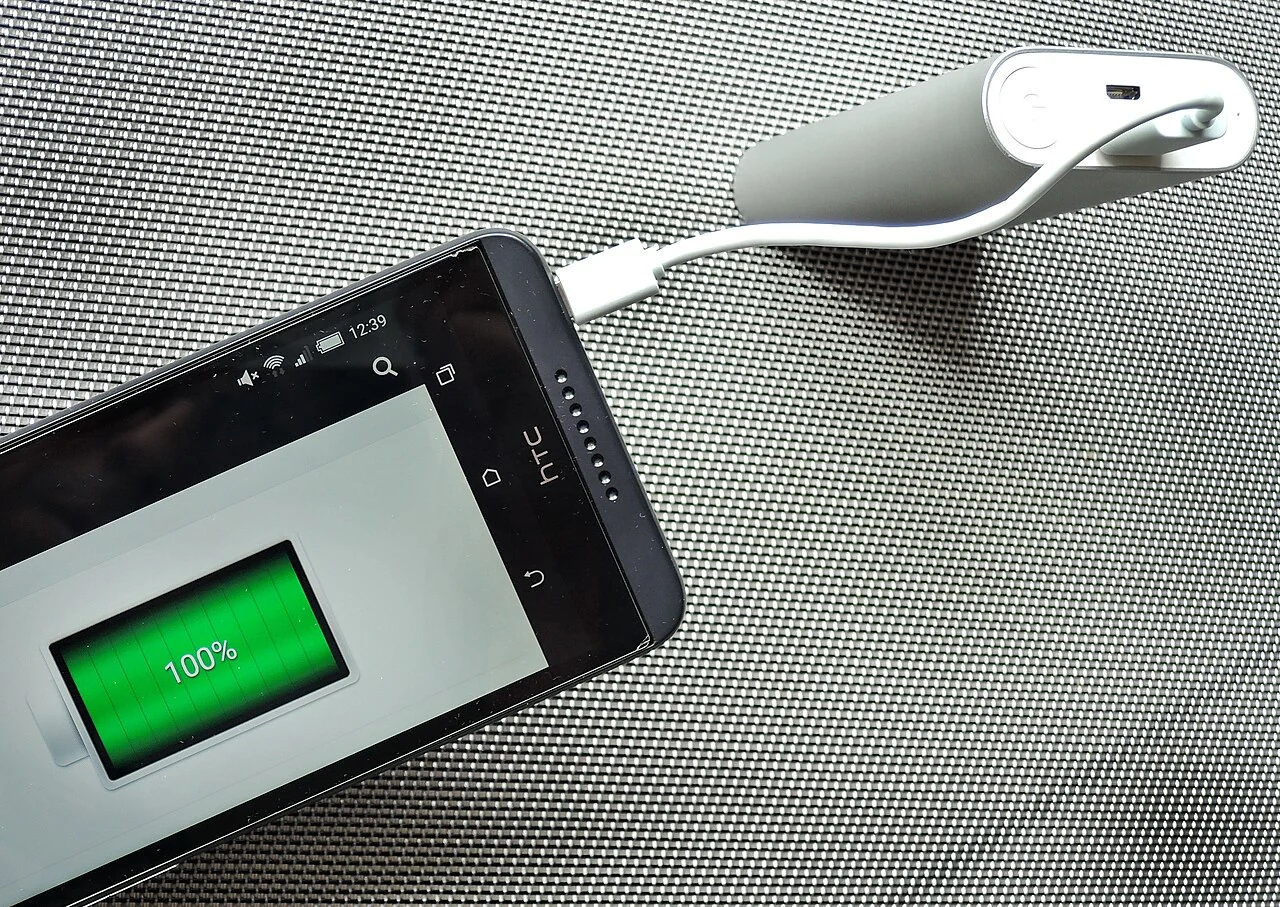
Buying backup power: understand watts before you spend
Learn what W and Wh mean, estimate a runtime and check whether a battery can actually operate the equipment you need.
YOUR HOUSEHOLD. YOUR PLAN.
Turn the reading into action with a household preparedness checklist.